Cephalocereus tetetzo Care

Cephalocereus tetetzo

About Cephalocereus tetetzo

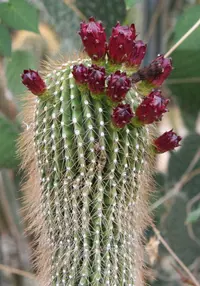
Cephalocereus tetetzo is a columnar cactus from arid regions of central Mexico, where it forms tall, branching clumps on rocky slopes. Its thick, upright stems are lined with ribs and dense spines, giving a strong architectural look that suits dry gardens and container collections. Growth is relatively fast for a large cactus when given enough warmth and light. This species is generally sturdy and forgiving if kept in a bright spot, protected from prolonged cold, and planted in very free-draining, gritty soil. For those learning how to care for Cephalocereus tetetzo, its main needs are strong light, minimal watering, and excellent drainage.

Main Plant Requirements

Care Difficulty

Moderate Care

Light Preference

Full Sun

Water Requirements

Low Water

Temperature Preference

Tropical / Frost Sensitive

Hardiness Zone

10–12

Soil Texture

Sandy, Rocky, Loamy

Soil pH

Slightly acidic (6.5–7.0), Neutral (7.0)

Soil Drainage

Well-drained

Fertilization

Minimal (feed rarely)

Get Personalized Care Plan

Scan your plant to receive care tips personalized for your specific plant

Available on iOS and Android

How to Care for the Cephalocereus tetetzo

This columnar cactus prefers strong, consistent light similar to its native arid habitats.

  • Provide 6–10 hours of direct sun outdoors, with morning and late-afternoon sun ideal; introduce full sun gradually to avoid sunscald on young stems.
  • Accepts bright, very open partial shade, but dense shade leads to weak, elongated growth and pale coloration over time.
  • In hot summers, protect from intense mid-afternoon sun with light shade cloth; in winter, ensure maximum exposure and avoid placement behind deep roof overhangs.

This desert species needs infrequent, deep watering and fast-drying soil to prevent root problems.

  • Water only when the top 3–5 cm of soil is completely dry, soaking the root zone thoroughly, then let excess drain away fully.
  • In spring and summer, this may mean watering roughly every 10–21 days in very free-draining soil; in cool or overcast weather, intervals become much longer.
  • Signs of excess water include yellowing, soft or blackened stem bases, while hard, shriveling ribs signal underwatering; always use sharply drained, gritty soil.

This cactus thrives in warm, arid conditions and is sensitive to prolonged cold or frost.

  • Aim for active growth temperatures of 70–90°F (21–32°C), with low humidity and excellent air movement to reduce fungal risk.
  • Short dips to 40–45°F (4–7°C) are usually tolerated if soil is dry, but freezing conditions can damage tissue and kill roots.
  • In very hot periods above 100°F (38°C), provide some afternoon shade and ensure soil does not stay wet to avoid heat-related root stress.

This cactus prefers dry air and does not need extra humidity.

  • Target 20–40% humidity, similar to a dry indoor room or arid outdoor climate.
  • Dry air is well tolerated; persistent humidity above 60% increases rot risk at the stem base.
  • Signs of humidity stress include pale, soft tissue near the soil line and slow, mushy collapse rather than wrinkling.

This desert cactus needs very fast-draining, mineral-rich soil to prevent root and stem rot.

  • Use a gritty mix such as 50–60% inorganic material (pumice, coarse sand, small gravel, perlite) with 40–50% cactus potting mix.
  • Aim for a slightly acidic to neutral pH around 6.0–7.0, avoiding strongly acidic or alkaline substrates that disrupt nutrient uptake.
  • Ensure soil particles are coarse, not fine; avoid peat-heavy or clayey mixes that compact and hold water around the roots.
  • For Cephalocereus tetetzo, increase aeration by adding extra pumice or gravel along pot edges and base where water tends to linger.

This species is suitable for container growing when the pot is chosen to support its tall, heavy stems.

  • Select a deep, heavy clay or ceramic pot that counterbalances the tall column and reduces tipping in wind or accidental bumps.
  • Leave a top layer of coarse gravel or rocks to keep the base dry where water might pool after irrigation.
  • Choose a pot just slightly wider than the root mass so soil dries evenly instead of leaving wet pockets that encourage rot.

Nutrient needs are low, but light feeding supports healthy, steady growth in Cephalocereus tetetzo.

  • Use a diluted balanced cactus fertilizer (around 10-10-10 or similar NPK) at 1/4–1/2 strength.
  • Apply during the warm growing season every 6–8 weeks, only to moist soil.
  • Do not fertilize in winter dormancy; pause feeding once growth slows.
  • Avoid rich compost or frequent high-nitrogen products that cause weak, elongated growth.

Pruning needs are minimal, as Cephalocereus tetetzo naturally maintains a strong architectural form.

  • Limit work to removing clearly dead, diseased, or mechanically damaged stems or segments.
  • Carry out any pruning in late spring to early summer, when the plant is actively growing.
  • Use clean, sharp cactus-rated tools and thick gloves to avoid injury and infection.
  • Avoid shaping cuts; heavy pruning can disfigure the columnar structure and slow growth.

Container-grown plants benefit from careful, infrequent repotting to refresh soil and allow gradual size increase.

  • Check for roots circling the pot, emerging from drainage holes, or for stalled growth as signs to repot.
  • Plan repotting for late spring, every 3–5 years, when temperatures are consistently warm.
  • Choose a pot only 2–5 cm wider, with excellent drainage and a gritty cactus mix.
  • Handle the root ball gently, keep roots as intact as possible, and withhold water for a few days after repotting to limit stress.

Propagation of Cephalocereus tetetzo is most reliable from seed under controlled warm, bright conditions.

  • Sow fresh seeds in late spring or early summer on a sterile, well-draining cactus substrate.
  • Maintain gentle bottom warmth around 70–80°F and bright, indirect light for even germination.
  • Keep the medium just barely moist with fine misting and ensure good air movement to reduce damping-off.
  • Transplant seedlings only once they have firm, developed roots and show steady growth.

Cold sensitivity means winter protection is important, especially for container plants and young specimens.

  • Keep plants above 40–45°F; avoid any hard frost exposure, as stems are easily damaged.
  • Move container plants indoors or into an unheated but frost-free, very bright space for winter.
  • Provide a dry rest by watering sparingly, letting the soil dry completely between rare waterings.
  • In mild climates for in-ground plants, use a thick mineral mulch around the base to keep roots drier.

Care Tips

Deep container choice

Use a tall, heavy terracotta pot with a single central drainage hole so the deep taproot can develop straight and the weight reduces tipping as the column elongates.

Staking young columns

Install a slim bamboo stake close to the base and secure the young stem loosely with soft ties to keep it upright and prevent root disturbance if the pot is bumped.

Gradual light hardening

Before moving a plant outdoors or closer to intense sun, increase light in small steps over 10–14 days to avoid corky sunscald patches on the epidermis.

Winter rest adjustment

From late fall, keep the plant in the brightest possible spot but reduce any disturbance, avoid repotting, and maintain it on the cool, dry side to support a proper dormant phase.

Long-term repot timing

Repot only every 3–5 years in late spring, and then keep the root ball slightly snug in the new pot to encourage stable, vertical growth rather than excessive top heaviness when caring for Cephalocereus tetetzo.

Common Pests and Diseases

Cochineal scale

This pest appears as small white, cottony or crusty patches clustering along ribs and spines, often exuding red dye when crushed. Symptoms include localized yellowing, slowed growth, and honeydew that can lead to sooty mold.

Solution

Isolate the plant, then remove colonies with a cotton swab dipped in 70% isopropyl alcohol, working carefully around the spines. For larger infestations, repeat alcohol swabbing weekly and use a systemic insecticide labeled for cacti, while improving light and airflow to reduce reinfestation.

Red spider mites

These insects are tiny and often unnoticed at first, causing a dull, grayish or bronzed look on the epidermis with fine webbing in tight spine clusters. This pest thrives on Cephalocereus tetetzo in hot, dry, stagnant air conditions.

Solution

Shower the plant with a firm stream of lukewarm water, directing flow along ribs and between spines, and repeat several times over 1–2 weeks. If mites persist, apply a targeted miticide or insecticidal soap labeled for succulents, and increase humidity slightly while maintaining strong light and good ventilation.

Soft bacterial rot

This disease produces water-soaked, soft, foul-smelling patches on the stem, often starting from a wound or sunscalded area. Symptoms include tissue collapse and rapid spread along the column if not addressed quickly.

Solution

Cut out all affected tissue with a sterile knife, making sure to remove a margin of healthy tissue until only firm, clean flesh remains, then allow the wound to dry and callus in bright, dry air. Disinfect tools between cuts, avoid overhead watering, and keep the plant in a warm, well-ventilated, low-humidity spot to prevent recurrence.

Fungal stem spot

This disease causes dry, corky, brown or dark spots on the stem surface, sometimes coalescing into larger patches that distort the ribs. Symptoms include slow expansion of lesions, often after prolonged dampness or minor injuries.

Solution

Remove or shave down small, localized lesions with a sterile blade if practical, then keep the plant dry and in strong light to harden new tissue. Where spotting is spreading, apply a sulfur-based or copper-based fungicide suitable for cacti and improve drainage, watering only when the soil is completely dry.

Mealybugs

This pest hides in the woolly areoles and at the base of the stems, appearing as white cottony masses that weaken the cactus over time. Symptoms include stunted growth, slight shriveling, and sticky honeydew that can attract ants.

Solution

Physically remove visible mealybugs with tweezers and cotton swabs dipped in 70% isopropyl alcohol, taking care to reach between woolly areoles. For persistent populations, apply a systemic insecticide for succulents according to label directions and keep the plant in bright, dry conditions while avoiding excess nitrogen fertilizer that encourages soft growth.

Interesting Facts

Massive columnar structure

This species develops tall, thick columns that can reach several meters in height, with dense, pronounced ribs that increase surface area for photosynthesis while limiting water loss in its hot, arid habitat.

Tetetzo landscape dominance

In its native central Mexico, this cactus often forms near-monodominant stands on rocky slopes, strongly shaping the landscape and providing structural habitat for birds, insects, and epiphytic plants.

Specialized pollination timing

It produces nocturnal, tubular flowers that open at night and are adapted for pollination by bats and large nocturnal insects, with pale coloration and strong scent that improve visibility and detection in low light.

Botan icon

Did you know?

Mature individuals can live for many decades and form part of long-term desert plant communities, creating stable vertical structures that persist across generations and act as reference points in ecological and cultural landscapes.

FAQs about Cephalocereus tetetzo

This species grows slowly, often only a few cm per year in pots. In the ground, growth is still gradual, forming tall columns over many years. Limited root space, cool temperatures, and low light slow growth further.

Grow Healthy Plants with Botan Care

Keep your plants happy and healthy with plant identification, disease detection, and easy care guidance.

Botan plant care app — identify plants on mobile

Explore More Plants