


Offset management
Remove crowded offsets with a clean, sharp knife once they reach about 2–3 cm across, let the cuts callus for 2–3 days, then replant in dry, gritty mix to maintain the parent rosette’s compact shape and airflow.

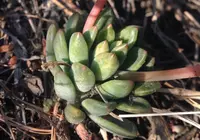
Echeveria amoena is a compact succulent from Mexico, valued for its tight rosettes of smooth, bluish-green leaves that can blush pink in strong light. It stays relatively low and forms clumps over time, making it suitable for pots, shallow dishes, and rock gardens.
This species prefers bright, direct light, low to moderate watering, and very well-draining, gritty soil. Its drought tolerance and slow, neat growth habit make it straightforward to care for Echeveria amoena for most indoor and outdoor succulent growers.

Care Difficulty
Easy Care

Light Preference
Full Sun

Water Requirements
Low Water

Temperature Preference
Tropical / Frost Sensitive

Hardiness Zone
10–11

Soil Texture
Sandy, Loamy, Rocky

Soil pH
Slightly acidic (6.5–7.0), Neutral (7.0)

Soil Drainage
Well-drained

Fertilization
Minimal (feed rarely)
Scan your plant to receive care tips personalized for your specific plant
Available on iOS and Android
This compact succulent thrives with bright, direct light but needs some protection from harsh extremes.
This species prefers deep, infrequent watering that allows the soil to dry well between soakings.
This succulent prefers warm, dry conditions and is sensitive to frost and prolonged cold.
This succulent prefers dry air and typical indoor humidity rather than added moisture.
Use a very fast-draining, gritty mix to prevent root and stem rot.
This species is well suited to container growing when excess water drains away quickly.
This compact succulent needs only light feeding to stay healthy in containers or rock gardens.
Pruning is minimal and mainly keeps the rosette clean and compact.
This species prefers a stable pot but benefits from occasional repotting into fresh, fast-draining soil.
Propagation is commonly done to increase plants or replace older, woody rosettes.
This succulent is frost sensitive and needs protection in colder climates.

Plant Health Check
Not sure what's wrong with your plant? Check your plant's health inside the app.
Mature plants often develop compact rosettes with a soft pink to peach tint, especially under high light and mild stress, which is more pronounced than in many related Echeveria species.
This species readily produces numerous basal offsets, forming dense clumps over time, a growth habit that makes it popular for creating tight succulent arrangements and low, mound-like plantings.
Echeveria amoena has been used repeatedly in breeding programs as a parent plant, contributing its compact form and pastel coloration to several named ornamental hybrids.
Leggy growth usually comes from insufficient light, especially indoors. The rosette stretches toward the light, leaving long bare stems. Increase bright, indirect sun, rotate the pot regularly, and consider pruning and re-rooting healthy tops to restore shape.
Keep your plants happy and healthy with plant identification, disease detection, and easy care guidance.


Croton
Codiaeum variegatum 'Aureo Maculatum'
string-of-pearls
Curio rowleyanus
Natal Noors
Euphorbia pseudocactus
_(49532732922)-2-200x133.webp) POPULAR
POPULARBlack bat flower
Tacca chantrieri
Mexican hens and chicks
Echeveria shaviana
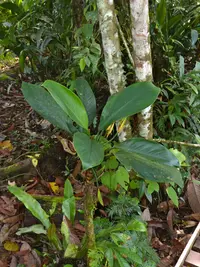
Burmese Evergreen
Aglaonema nitidum
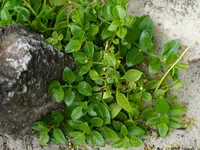
heart-leaf ice plant
Mesembryanthemum cordifolium
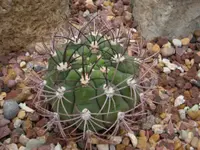
Giant Chin Cactus
Gymnocalycium saglionis