Rhizome division timing
Divide and replant crowded rhizomes only in early spring, just as new growth buds swell, to reduce transplant shock and maintain vigorous clumps.

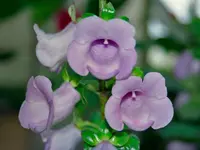
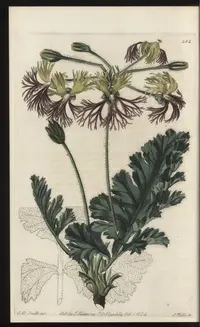
Canterbury bells, Gloxinia perennis, is a perennial flowering plant grown for its drooping, bell-shaped blooms and upright, leafy stems. It forms clumps that spread slowly over time. Native to parts of South America, it is often cultivated in temperate gardens and sometimes in containers for its showy, nodding flowers. The plant prefers bright light, moderate moisture, and well-drained soil. It is moderately easy to grow if given stable conditions and protection from harsh extremes. Understanding how to care for Canterbury bells helps maintain strong flowering and prevent stress-related decline.

Care Difficulty
Moderate Care

Light Preference
Partial Shade

Water Requirements
Keep Soil Moist

Temperature Preference
Tropical / Frost Sensitive

Hardiness Zone
9–11

Soil Texture
Loamy, Peaty, Organic-rich

Soil pH
Acidic (5.5–6.5), Slightly acidic (6.5–7.0)

Soil Drainage
Moist but well-drained

Fertilization
Moderate (every 2–4 weeks)
Scan your plant to receive care tips personalized for your specific plant
Available on iOS and Android
Gloxinia perennis prefers bright, indirect light that mimics a lightly shaded forest edge.
This rhizomatous perennial needs consistently moist but not waterlogged soil for reliable growth.
This species thrives in warm, frost-free conditions similar to a sheltered, humid subtropical garden.
This species prefers consistently humid air to mimic its native tropical habitat.
This plant performs best in loose, airy, organic-rich soil that drains quickly but holds some moisture.
This species is well suited to container growing, especially in climates with cool winters or limited garden space.
Gloxinia perennis benefits from modest feeding during active growth to support foliage and flowering.
Gloxinia perennis needs only light pruning to stay tidy and to maintain healthy flowering growth.
Gloxinia perennis is usually grown in the ground, but container plants or crowded clumps benefit from occasional transplanting.
Gloxinia perennis is commonly propagated by division or seeds, depending on the grower’s goals.
Gloxinia perennis is frost sensitive and needs protection in regions with freezing winters.

Plant Health Check
Not sure what's wrong with your plant? Check your plant's health inside the app.
Despite the common name creeping gloxinia, this species is not a true Gloxinia but belongs to the genus Gloxinia in the broader sense that has since been taxonomically revised; it is now often treated in the genus Seemannia by some botanists based on molecular and morphological data.
Its tubular, pendulous purple flowers are adapted for hummingbird pollination, with nectar positioned deep in the floral tube so that visiting birds contact the reproductive structures while feeding.
The plant grows from thick, creeping rhizomes that allow it to spread slowly over time and to resprout after periods of stress, such as temporary drought or damage to above-ground stems.

In parts of its native range in the Andes and surrounding regions, this species often grows on moist rock faces and steep banks, behaving as a lithophyte that anchors into crevices where organic matter and water accumulate.
Lack of flowers often comes from insufficient cold period, excess nitrogen fertilizer, or too much shade. This biennial usually blooms in its second year after experiencing winter chill, then puts energy into flowering rather than leaf growth.
Keep your plants happy and healthy with plant identification, disease detection, and easy care guidance.