Green and Gold Care (Chrysogonum virginianum)

Also known as: Green-and-gold
Green and Gold

About Green and Gold

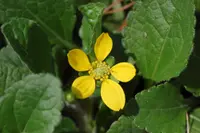
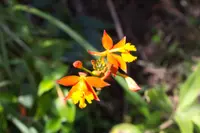
Green and gold (Chrysogonum virginianum) is a low-growing perennial groundcover native to woodlands and open clearings in the eastern United States. It forms dense, spreading mats of small, softly textured green leaves.

Bright yellow, star-shaped flowers appear close to the foliage, creating a long-lasting carpet of color in mild conditions. Its compact habit makes it suitable for borders, shaded slopes, and underplanting around shrubs.

This species is generally considered easy to grow where soils stay evenly moist and drainage is good. Understanding how to care for Green and Gold starts with providing partial shade and humus-rich soil similar to its natural woodland habitat.

Main Plant Requirements

Care Difficulty

Easy Care

Light Preference

Partial Shade

Water Requirements

Moderate Water

Temperature Preference

Cold Hardy

Hardiness Zone

5–9

Soil Texture

Loamy, Sandy, Organic-rich

Soil pH

Acidic (5.5–6.5), Slightly acidic (6.5–7.0)

Soil Drainage

Moist but well-drained

Fertilization

Minimal (feed rarely)

Get Personalized Care Plan

Scan your plant to receive care tips personalized for your specific plant

Available on iOS and Android

How to Care for the Green and Gold

This low-growing perennial prefers bright conditions with protection from harsh midday sun.

  • Provide 3–6 hours of direct morning sun or light afternoon shade; dappled light under open trees suits Green and Gold well.
  • In hot summers, avoid full afternoon sun, which can scorch leaves and dry the soil too fast; aim for filtered light after 12–2 p.m.
  • In dense shade, flowering drops and growth thins; gradually move plants toward brighter exposure, especially from early spring to early summer.

This groundcover prefers consistently moist but not saturated soil.

  • Water when the top 2–4 cm of soil feel dry, applying a slow soak at the base so moisture reaches the root zone without puddling.
  • During hot spells, monitor Chrysogonum virginianum more often; leaves that flop and perk up after watering suggest mild drought stress.
  • Yellowing, soft foliage or a sour odor indicate overwatering and poor drainage; improve soil with organic matter and ensure excess water can drain away.

This hardy perennial tolerates a broad outdoor temperature range when established.

  • Optimal growth occurs around 60–75°F (16–24°C) during spring and fall, when soil stays cool and evenly moist.
  • Mature plants typically survive winters down to about -20°F (-29°C) under mulch or snow cover, though foliage may die back and re-sprout in spring.
  • Heat tolerance extends to about 85–90°F (29–32°C) if soil moisture is maintained; prolonged hotter periods require extra shade and careful watering.

Chrysogonum virginianum handles a wide humidity range and usually does not need special humidity management outdoors.

Chrysogonum virginianum prefers consistently moist, well-drained, organic-rich soil that does not stay waterlogged.

  • Use a loamy soil with fine texture, enriched with leaf mold or compost to support dense, creeping growth.
  • Ensure drainage is reliable; on heavy clay, amend with compost and coarse sand or fine gravel to prevent standing water.
  • Aim for slightly acidic to neutral pH around 6.0–7.0, avoiding strongly alkaline conditions that can reduce nutrient availability.
  • Avoid compacted, poorly aerated soil; loosen the top 15–20 cm before planting to encourage shallow, spreading roots.

This groundcover can be grown in containers for patios or shaded entries if moisture and spread are controlled.

  • Choose a wide, shallow pot to match its creeping habit and allow lateral root spread without excessive depth.
  • Use a slightly heavier container material, such as ceramic, to stabilize the plant as it spreads toward the rim.
  • Water thoroughly, then drain fully, and position the pot where runoff does not re-enter the container, preventing chronic sogginess.

Chrysogonum virginianum is a light feeder that benefits from modest nutrition in poor soils.

  • Use a balanced, slow-release fertilizer or thin layer of compost in early spring as new growth starts.
  • Apply at a low rate or at half-label strength to avoid soft, weak foliage.
  • In average garden soil, 1 light feeding per year is usually enough for caring for Green and Gold.
  • Stop feeding in late summer so new growth hardens before winter.

Chrysogonum virginianum needs only light pruning to stay dense and flowering well.

  • Best time is after main flowering flush in late spring or early summer.
  • Shear or pinch back spent flower stems and leggy growth to encourage new shoots and blooms.
  • Remove dead, damaged, or diseased foliage with clean, sharp scissors or hand pruners.
  • Thin crowded patches gradually to maintain airflow and limit fungal problems.

This groundcover is usually grown in the ground, so care focuses on dividing and transplanting clumps rather than frequent repotting.

  • Transplant or divide in early spring or early fall when weather is cool and soil moist.
  • Lift and split crowded clumps every 3–4 years to refresh vigor and fill new areas.
  • For container plants, repot when roots circle the pot or growth slows noticeably.
  • Replant at the same depth, water thoroughly, and shade for a few days to reduce transplant shock.

Chrysogonum virginianum is commonly propagated by division and short stem sections from spreading clumps.

  • Divide mature plants in early spring or early fall, when temperatures are mild.
  • Dig up a portion of the mat and separate rooted pieces by hand or with a clean knife.
  • Replant divisions into moist, well-drained soil and keep evenly watered until established.
  • Soft tip cuttings can root in a loose, damp mix under bright, indirect light and high humidity.

This species is generally cold hardy in much of the US and needs only simple winter care in the ground.

  • Tolerates typical frost in USDA zones where it is recommended, with foliage often semi-evergreen.
  • Apply a 5–7 cm layer of mulch after the ground cools to insulate the root zone.
  • In very cold or exposed sites, add an extra mulch layer around young plants for the first winter.
  • Container-grown plants in colder zones can be overwintered in an unheated but frost-free garage or porch.

Care Tips

Edge Containment

Install a shallow edging strip 5–8 cm deep around beds to prevent stolons from creeping into turf or pathways and to make it easier to lift and replant wayward clumps.

Divide For Density

Every 3–4 years, lift and divide crowded mats in early spring, replanting vigorous outer sections 20–30 cm apart to keep the groundcover dense and uniformly flowering.

Leaf Litter Management

Allow a thin layer of shredded leaves to remain between plants as organic mulch, but gently remove compacted or matted leaves in late winter so new growth is not smothered.

Targeted Weed Suppression

Hand-weed emerging perennial weeds before the Chrysogonum fills in, using a narrow hori-hori knife or hand fork so stolons and shallow roots are not disturbed.

Slug And Snail Monitoring

In moist, shaded plantings, set out shallow evening slug traps or use iron phosphate pellets around the perimeter rather than over the crowns to protect foliage while growing Green and Gold as a low-maintenance groundcover.

Common Pests and Diseases

Powdery mildew

This disease often appears in humid, shaded sites with poor air movement, coating leaves with a white or gray powdery film and sometimes causing distortion or yellowing. Symptoms include reduced vigor and premature leaf decline in dense groundcover patches.

Solution

Remove and discard heavily infected leaves to reduce spore load, then thin crowded clumps to improve air circulation and reduce humidity around foliage. Water at soil level in the morning, avoid wetting leaves, and if needed apply a labeled sulfur or potassium bicarbonate fungicide as part of broader Chrysogonum virginianum care practices.

Leaf spot

This disease produces small to medium dark brown or purplish spots on leaves, sometimes with yellow halos, which can merge and cause partial leaf blight. Symptoms include thinning of the mat and reduced flowering when infections are heavy.

Solution

Trim and dispose of affected foliage, then keep the planting area free of fallen leaves to limit reinfection. Improve spacing and airflow, water at the base, and if recurring, use a labeled ornamental foliar fungicide during wet, cool periods when spots first appear.

Crown and stem rot

This disease develops in poorly drained or chronically wet sites, leading to dark, mushy crowns and lower stems, sudden wilt, and plant collapse. Symptoms include patches of dead or thinning plants within what was previously a dense groundcover carpet.

Solution

Lift and discard severely affected plants and improve drainage by amending soil or raising the planting area. Replant only in well-drained soil, avoid overwatering, and keep mulch pulled back 5–8 cm from crowns to keep the base of the plant drier.

Slugs and snails

These pests feed on the tender foliage and new growth, leaving irregular holes, shredded edges, and slime trails on and around the plants. This pest is most active in cool, damp conditions and can thin out low-growing mats over time.

Solution

Hand-pick slugs and snails in the evening, use shallow traps such as sunken dishes of beer or yeast-water, and reduce hiding spots by keeping mulch thin and debris-free. Where pressure is high, place iron phosphate bait around, not on, the plants following label directions.

Spider mites

These insects can occur during hot, dry weather, causing fine speckling, dull or bronzed leaves, and delicate webbing on undersides of foliage. Symptoms include overall loss of vigor and an unhealthy, dusty appearance to the groundcover mat.

Solution

Spray foliage thoroughly with a strong stream of water to knock mites off, focusing on leaf undersides, and repeat several times per week during outbreaks. If needed, follow with insecticidal soap or horticultural oil, applied carefully in the cooler part of the day to avoid leaf scorch and support long-term Green and Gold indoor care when grown in containers.

Interesting Facts

Semi-evergreen woodland cover

This species is one of the few native North American groundcovers that can remain semi-evergreen in mild winters, retaining much of its foliage where temperatures do not drop too low.

Specialized forest habitat

It naturally occurs in open deciduous woodlands and along stream banks in the eastern United States, where it thrives in acidic, humus-rich soils with consistent moisture and partial shade.

Support for native pollinators

Its small yellow, star-shaped flowers produce accessible nectar and pollen that attract native bees and small pollinating flies in spring and early summer, contributing to local forest-edge pollinator networks.

Botan icon

Did you know?

The species often forms dense, clonal mats through creeping stolons, which helps stabilize soil on gentle slopes and stream edges while slowly expanding its cover without becoming aggressively invasive in typical garden conditions.

FAQs about Green and Gold

This species spreads slowly to moderately by short stolons, forming low mats. It usually stays polite in garden beds. In rich, moist soil it can fill gaps over time but is still simple to keep within bounds.

Grow Healthy Plants with Botan Care

Keep your plants happy and healthy with plant identification, disease detection, and easy care guidance.

Botan plant care app — identify plants on mobile

Explore More Plants