

6 min read · 19 Aug 2026
How to Tell if a Plant Is Dead
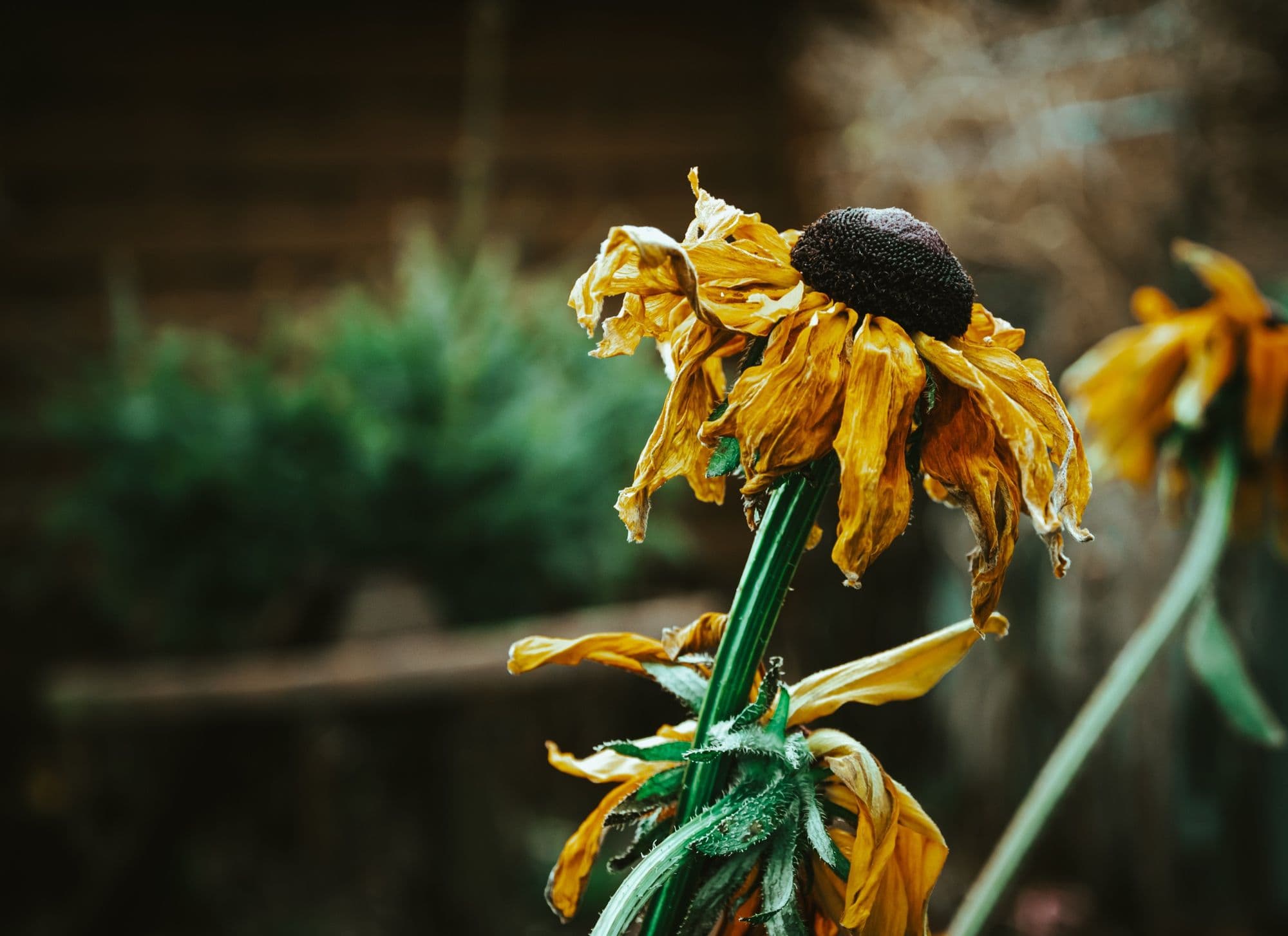
A plant can lose its leaves, stop growing, or collapse and still remain alive. A closer look at the stems, roots, bulbs, and tubers can show whether the plant still has a chance to recover.
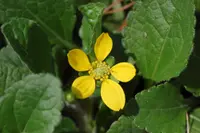
Green and Gold grows best in partial shade with bright filtered light and some gentle direct sun.

Light Preference
Partial Shade

In its native eastern North American range, Green and Gold grows in open woods, woodland edges, and lightly shaded slopes where sun is broken by tree canopies. Spring light can be stronger before trees leaf out, while summer light is often filtered.
Garden plantings should copy that pattern by giving bright shade or morning sun with protection from harsh afternoon rays. Preferred light is partial shade.
Green and Gold needs about 4–6 hours of bright filtered light or partial sun daily, including 2–4 hours of gentle direct morning sun.
Full sun can be tolerated in cooler sites, but long hot afternoon exposure can stress foliage.
Open shade is tolerated, especially in warm climates, though flowering is usually lighter when light is very dim.
Morning sun is safer than late-day sun because leaves receive useful light before heat builds.
Excess light is most likely during hot, direct afternoon sun.
Leaves may develop pale tan or whitish areas on the most exposed surfaces after sudden full-sun exposure.
Thin foliage can show crisp brown tips or margins where sunlight and heat are strongest.
Plants may look pressed down or tired during the brightest part of the day, then partly recover by evening.
Flowers can fade quickly when strong sun combines with high heat.
Move Chrysogonum virginianum to afternoon shade, or add light overhead filtering during the hottest hours. Keep the change gradual if the plant has been in deep shade.
Low light usually shows up as weak growth and fewer flowers during the active season.
The plant may keep leaves but produce sparse blooms when it receives shade all day.
Stems can lengthen with wider spacing between leaves as they reach toward brighter areas.
Growth may angle toward an opening in the canopy or the brighter side of a bed.
New foliage may stay smaller and thinner than older growth formed in better light.
Shift Chrysogonum virginianum to brighter open shade or a site with morning sun. Avoid moving it straight from deep shade into hot full sun.
Choose morning sun with afternoon shade when the site cannot provide consistent filtered light. This compromise usually supports foliage and flowering without the heat stress of late-day sun.
Thin nearby overhead growth lightly if shade is dense, or move the plant to the brighter edge of the bed.
Avoid exposed paving or south-facing walls that reflect heat, because those spots can make full sun harsher than the plant tolerates.

Light Check
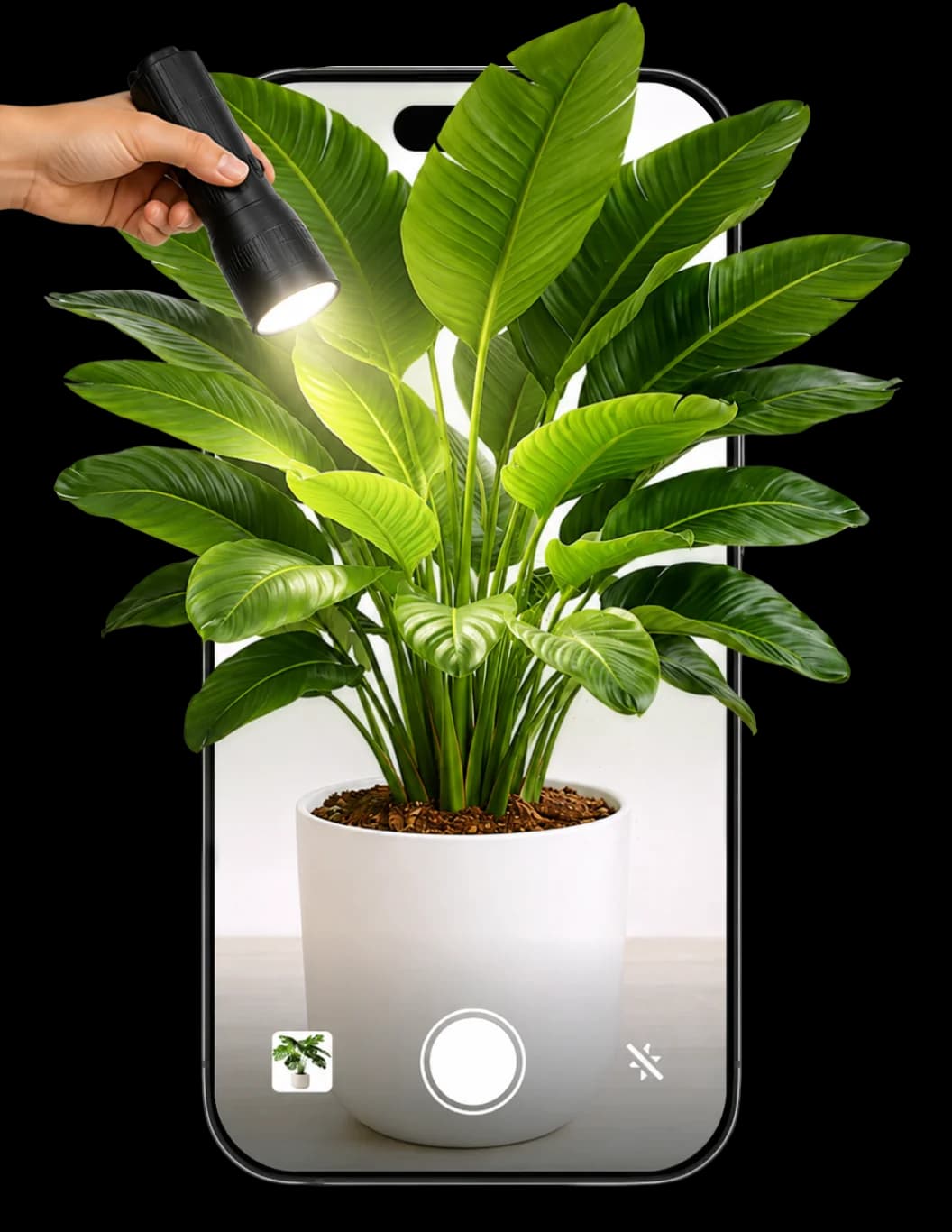
Not sure if your plant is getting enough light? Check its light needs inside the app
Scan your plant to receive care tips personalized for your specific plant
This species grows best in partial shade or bright filtered light. A site with morning sun and afternoon shade usually meets Green and Gold light requirements while reducing heat stress.
Discover how to care for your plants with Botan.


6 min read · 19 Aug 2026
A plant can lose its leaves, stop growing, or collapse and still remain alive. A closer look at the stems, roots, bulbs, and tubers can show whether the plant still has a chance to recover.

13 min read · 28 Jul 2026
Learn which of the 15 fastest-growing trees will suit your area. We’ll share detailed information on each: growth rate, mature spread, key tree demands, and main vulnerabilities. Read on and make the best choice possible.

5 min read · 9 Jul 2026
Banana water can provide potassium and some nutrients that may support plant growth, but it is not a universal fix. Use it carefully and only when the plant actually shows signs of nutrient deficiency rather than as a routine treatment.