


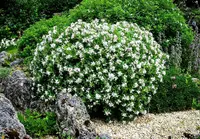
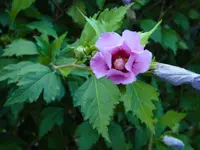

Dianthus (Dianthus barbatus Green Trick) Light Needs

Dianthus grows best in full sun, with partial sun tolerated where summers are hot or afternoon light is intense.

Light Preference

Full Sun

Dianthus barbatus Green Trick Light Requirements

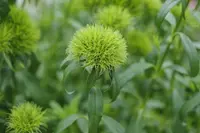
Dianthus barbatus is associated with open, temperate habitats such as meadows, grassy slopes, woodland margins, and other places where light is strong for much of the day. In cultivation, Green Trick keeps its compact stems and rounded flower heads best when grown in open exposure rather than shade. Partial sun can be useful in hotter gardens, but deep shade reduces vigor. Its preferred light is full sun.

  • Ideal exposure:

    Dianthus barbatus Green Trick needs about 6–8 hours of full sun daily, including at least 6 hours of direct sun when temperatures are moderate.

  • Direct sun:

    Established plants tolerate full sun well, especially with cooler morning and early afternoon exposure.

  • Hot afternoons:

    In hot summer areas, some late-afternoon shade can reduce stress without making the site too dim.

  • Lower light:

    Partial sun is tolerated, but fewer than 4–5 hours of sun often leads to softer growth and weaker flowering.

Excess light problems are most likely during sudden exposure or hot afternoon sun.

Bleached flower heads:

Green flower heads may look pale or washed out on the sun-facing side after intense exposure.

Crisp leaf patches:

Upper leaves can develop dry, tan patches where direct sun hits during heat.

Midday collapse:

Stems may wilt in strong afternoon sun and recover later, showing heat and light stress.

Scorched new growth:

Tender new leaves may mark more quickly after a plant is moved from partial sun to full sun.

Shift Dianthus barbatus Green Trick to morning sun with light afternoon shade, or add temporary shade during heat waves. Increase exposure gradually after any move.

Low light usually shows as weak structure before serious decline, and growth may continue while quality declines. This plant is not suited to shade.

  • Stretched stems:

    Flowering stems may lengthen and become less upright as they reach toward brighter light.

  • Wide spacing:

    New leaves can form farther apart, giving the plant a loose, open look.

  • Few flower heads:

    Dianthus barbatus Green Trick® may produce fewer rounded blooms when light is below its normal range.

  • Small new growth:

    Fresh growth may stay smaller and softer during the active growing season.

Move it to a brighter outdoor position with several hours of direct sun. Avoid shaded beds as a long-term location.

If a full-sun bed is not available, choose the brightest site with morning sun and open sky for most of the day. Treat partial sun as a compromise, not a shade solution.

Rotate containers every 1–2 weeks so stems receive light evenly. Trim nearby overgrowth if it casts shade during peak growing season.

Deep shade is unsuitable because it encourages loose stems and fewer rounded flower heads.

Get Personalized Care Plan

Scan your plant to receive care tips personalized for your specific plant

FAQ

The best light for Dianthus is full sun, about 6–8 hours daily. Partial sun can work in hot climates, but shade usually produces softer growth and fewer flowers.

More Plant Light Guides

Get the Botan App

Discover how to care for your plants with Botan.

Botan app identifying a plant with a phone camera
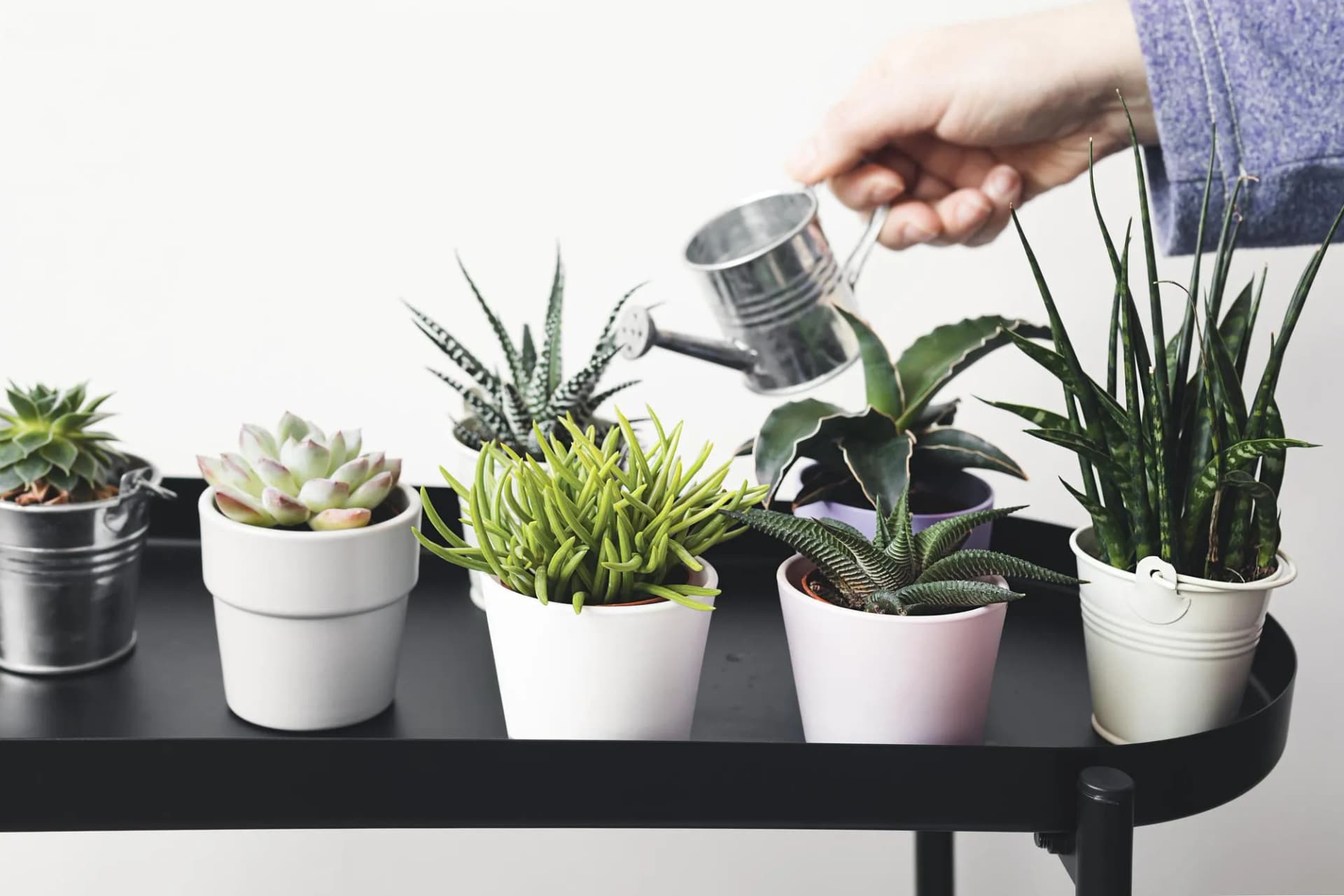
How to Water Succulents: When, How Often, and How Much

7 min read · 18 Nov 2026

How to Water Succulents: When, How Often, and How Much

Yellowing, mushy, or shriveled leaves can all point to a watering problem, yet each can have a different cause. This guide explains how to water succulents, when to wait, and how soil, pots, and seasons change the routine.

Plant Care
How to Water Succulents: When, How Often, and How Much
Plant Pot Sizes: How to Choose the Right Plant Container

7 min read · 20 Aug 2026

Plant Pot Sizes: How to Choose the Right Plant Container

Plant pot sizes can be confusing because the number on the label only tells you part of the required information. A container may look spacious but actually be too shallow. So, how to choose pot size for plant species?

Beginner Guides
Plant Pot Sizes: How to Choose the Right Plant Container
Is Sugar Water Good for Plants?

4 min read · 14 Sept 2026

Is Sugar Water Good for Plants?

Sugar water may sound like an easy boost, but most rooted plants do not need extra sucrose. This guide explains how green tissues produce carbohydrates, when a sweetened solution can be useful, and why too much can cause problems.

Plant Care
Is Sugar Water Good for Plants?