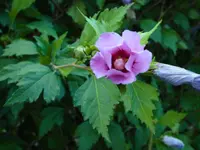



Rose of Sharon (Hibiscus syriacus) Light Needs

Rose of Sharon grows best in full sun, with several hours of direct sunlight each day.

Light Preference

Full Sun

Hibiscus syriacus Light Requirements

Rose of Sharon is native to eastern Asia, where it grows as a deciduous shrub in open, sunny places and along woodland edges. These sites receive strong seasonal light during the warm growing season, with some shelter from nearby vegetation.

In cultivation, that pattern translates to outdoor exposure with direct sun for strong growth and reliable flowering. Preferred light is full sun.

  • Ideal exposure:

    Rose of Sharon needs about 6–8 hours of full sun daily, ideally including at least 6 hours of direct sun.

  • Direct sun tolerance:

    Established plants tolerate full-day sun well when exposure increases gradually after planting or relocation.

  • Partial sun:

    About 4–6 hours of direct sun is usually workable, but flowering may be lighter than in full sun.

  • Afternoon heat:

    In very hot sites, some late-afternoon shade can reduce leaf stress without making the spot too dim.

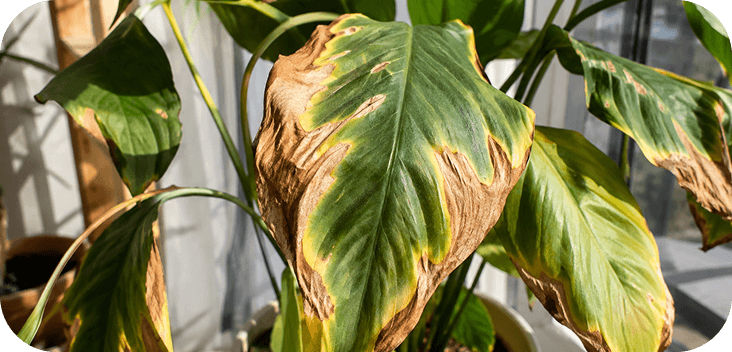
Excess light is uncommon outdoors, but sudden harsh exposure can cause stress.

Bleached leaf patches:

Pale tan or whitish areas may appear on leaves facing the strongest afternoon sun after a quick move.

Papery sunburn:

Damaged patches can turn dry and papery while shaded leaves on the same stems look normal.

Heat-scorched blooms:

Flowers may fade faster or develop dry spots during long, hot afternoons in exposed sites.

Midday flagging:

Leaves may droop in peak sun and recover later when heat and light ease.

Shift a potted plant to morning sun with light afternoon shade. For in-ground plants, add temporary shade and increase exposure gradually.

Low light shows most clearly during the growing season, especially in flowering and stem shape.

  • Few flowers:

    A plant in too much shade may make healthy leaves but produce fewer buds and shorter bloom periods.

  • Leggy stems:

    Longer spaces between leaves and thin, reaching shoots suggest the light source is too weak or blocked.

  • Leaning growth:

    Stems may angle toward the brightest side instead of forming a balanced, upright shrub.

  • Small new leaves:

    New growth may stay smaller and less vigorous when the plant receives only weak indirect light.

Move Hibiscus syriacus to a site with at least 6 hours of direct sun. If nearby shade has increased, prune or relocate to restore stronger exposure.

If full sun is not available, choose the brightest outdoor spot with 4–6 hours of direct sun rather than open shade. This compromise usually supports acceptable growth, though flowering may be reduced.

Remove or thin nearby overhanging growth if it casts midday shade, or shift a container a few feet into stronger morning and midday sun.

Deep shade under structures is unsuitable because Hibiscus syriacus light needs include direct sun for dense growth and bloom formation.

Get Personalized Care Plan

Scan your plant to receive care tips personalized for your specific plant

FAQ

The best light for this plant is full sun. It can handle partial sun, but shade usually leads to thinner growth and fewer flowers.

Everything About Rose of Sharon

More Plant Light Guides

Get the Botan App

Discover how to care for your plants with Botan.

Botan app identifying a plant with a phone camera
How to Repot a Plant: A Step-by-Step Guide

7 min read · 28 May 2026

How to Repot a Plant: A Step-by-Step Guide

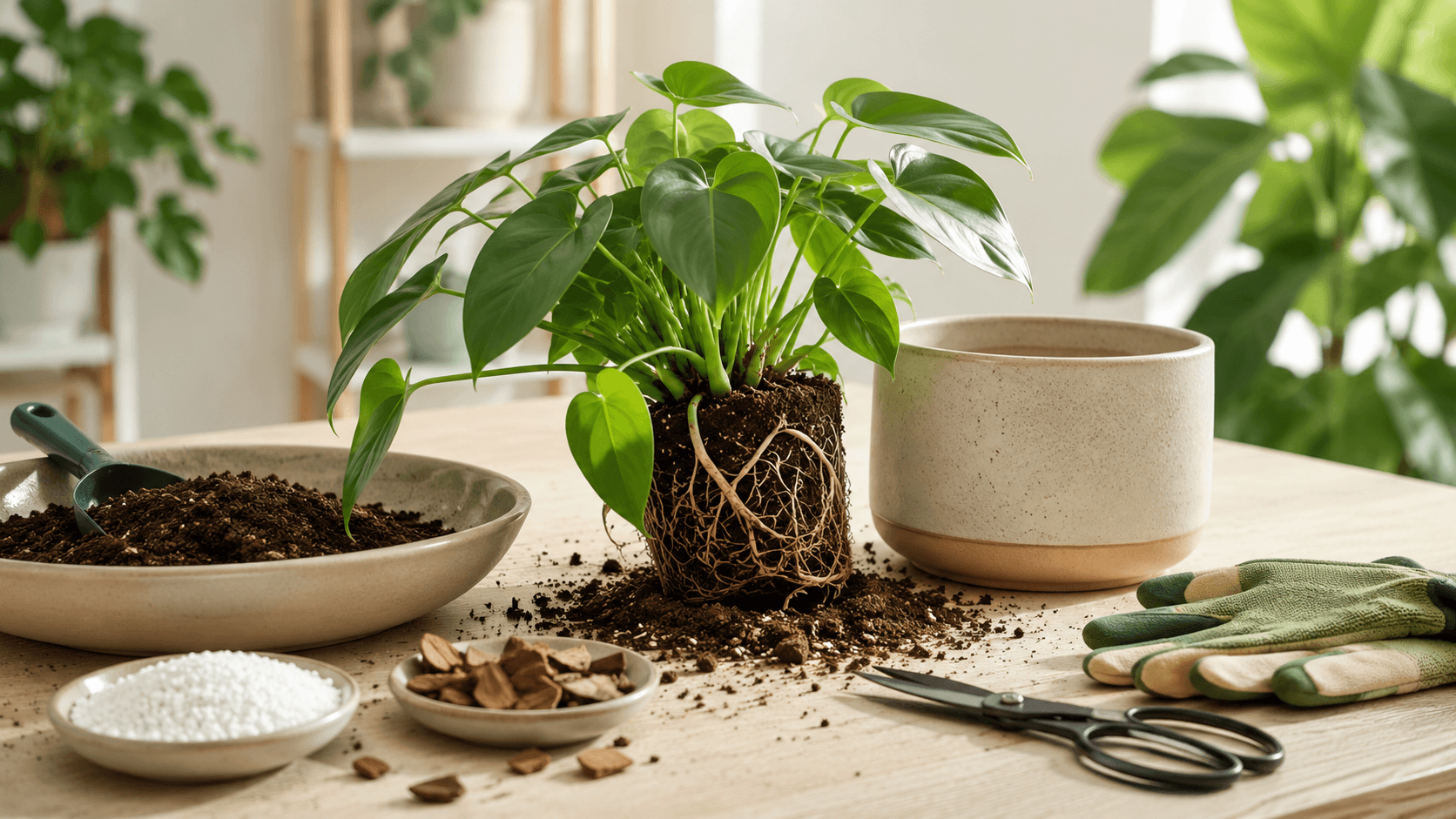
In spring, many plants need repotting—an essential part of care. To avoid stress, consider the plant’s type and size. This article offers a step-by-step guide for repotting indoors or outdoors and shows how to check plant health and get care tips using the Botan app.

Plant Care
How to Repot a Plant: A Step-by-Step Guide
Frozen vs Fresh Vegetable Nutrients: Which Option Is Healthier?

6 min read · 8 Sept 2026

Frozen vs Fresh Vegetable Nutrients: Which Option Is Healthier?

Frozen and fresh vegetables are nutritionally comparable: frozen produce often retains vitamins just as well as fresh and may sometimes contain more. Here’s how blanching and storage affect nutrients—and when to choose each.

Plant Recommendations
Frozen vs Fresh Vegetable Nutrients: Which Option Is Healthier?
How Often to Water Fruit Trees

7 min read · 11 Aug 2026

How Often to Water Fruit Trees

Irrigation needs change as roots establish and weather shifts. This guide gives practical starting intervals, explains how soil and tree type change them, and shows how to recognize both excess moisture and drought stress.

Plant Care
How Often to Water Fruit Trees