

Rose of Sharon Identification (Hibiscus syriacus)

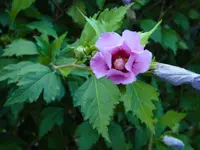
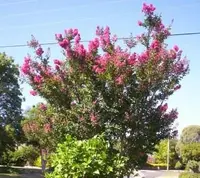
To recognize Rose of Sharon, look for a multi-stemmed woody shrub with alternate, three-lobed leaves and large trumpet-shaped flowers. Each bloom has five broad petals around a prominent central staminal column.

Plants usually grow as upright shrubs about 8 to 12 feet (2.4 to 3.7 m) tall, often with several main stems from the base.

Hibiscus syriacus Identification

Check Your Plant ID

Upload a clear photo to check your plant identification with Botan.

Clear images work best. Avoid photos taken too close or too far away

Use these simple checks to spot Hibiscus syriacus by eye.

  • An upright, multi-stemmed shrub, often 8-12 feet tall (2.4-3.7 m), with a vase-like outline.
  • Leaves are alternate, 2-4 inches long (5-10 cm), broadly ovate, and usually have three shallow lobes with toothed edges.
  • Flowers are large and funnel-shaped, about 2-5 inches across (5-12 cm), with five petals and a prominent central staminal column.
  • Seed capsules are round to egg-shaped and split open when mature.

Check several leaves and the flower structure together for the most reliable match.

Rose of Sharon shows clear age-related changes in habit, stems, flowers, and fruit.

  • Young plant: Young plants are upright and lightly branched, with thin green stems and relatively larger-looking, coarsely toothed three-lobed leaves.
  • Mature plant: Mature plants become a dense, many-stemmed shrub, often 8-12 feet (2.4-3.7 m) tall, with woody gray stems and a broader outline.
  • Flowering stage: Open flowers are broad and funnel-shaped, about 3 inches (8 cm) across, with five petals and a prominent central staminal column.
  • Fruiting stage: After flowering, rounded seed capsules replace blooms and sit upright along the stems, becoming a distinct visual feature absent earlier.

Rose of Sharon has several cultivars with stable flower and habit traits that are easy to spot.

  • 'Diana': Large single flowers are pure white, unlike the usual pink, lavender, or purple tones.
  • 'Aphrodite': Single flowers are rosy pink with a deep red eye, giving a warmer, clearer pink look than the typical form.
  • 'Blue Chiffon': Semi-double lavender-blue flowers have a lacy center of extra petaloids, not the usual single bloom.
  • 'Lil' Kim': A dwarf form that stays around 3 to 4 feet tall (0.9 to 1.2 m), much smaller than standard shrubs.
  • 'Sugar Tip': Leaves are cream-edged and variegated, and the flowers are soft pink and double.

In spring, Rose of Sharon leafs out later than many shrubs, so bare twigs may persist after nearby plants have greened up. Leaves are medium green through summer. Flowers become obvious from summer into fall, often when many shrubs have finished blooming. After leaf drop, upright branching and persistent round seed capsules can remain visible on bare stems.

Several shrubs can be mistaken for Rose of Sharon at a glance.

common hibiscus(Hibiscus rosa-sinensis)

Often confused because both have large, showy hibiscus flowers. This one is usually evergreen in warm climates, with thicker, glossier, unlobed leaves; Hibiscus syriacus is deciduous and often has shallow three-lobed leaves.

confederate rose(Hibiscus mutabilis)

Similar because it is a shrub with hibiscus-type blooms. It differs by having much larger, softly hairy leaves and flowers that often change from white to pink; Hibiscus syriacus usually has smaller leaves and flowers that do not change color that way.

Hibiscus syriacus is native to parts of East Asia, especially China and the Korean Peninsula. In the wild it occurs in scrub, forest margins, and rocky slopes rather than wetlands or deep shade. That context helps with identification because a shrub seen naturalized in sunny edges, disturbed ground, or old settlements fits this species better than one tied to marshes, dunes, or woodland understory. Its frequent escape from cultivation can blur range, so habitat is more useful than location alone.

Confirm the Species with Botan

Upload a photo to help identify the plant or verify your match before you label it or compare similar species.

FAQ

A key Rose of Sharon identification trait is its woody shrub form, 3-lobed toothed leaves, and single axillary flowers with a long central staminal column. True roses lack that hibiscus-style column and leaf shape.

More Plant Identification Guides

Identify the Plant and Get Its Profile

Identify it from a photo with Botan, then see plant details, care information, and common problems for the species.

Botan app identifying a plant from a photo
When to Harvest Tomatillos: How to Tell When They're Ripe

4 min read · 20 Oct 2026

When to Harvest Tomatillos: How to Tell When They're Ripe

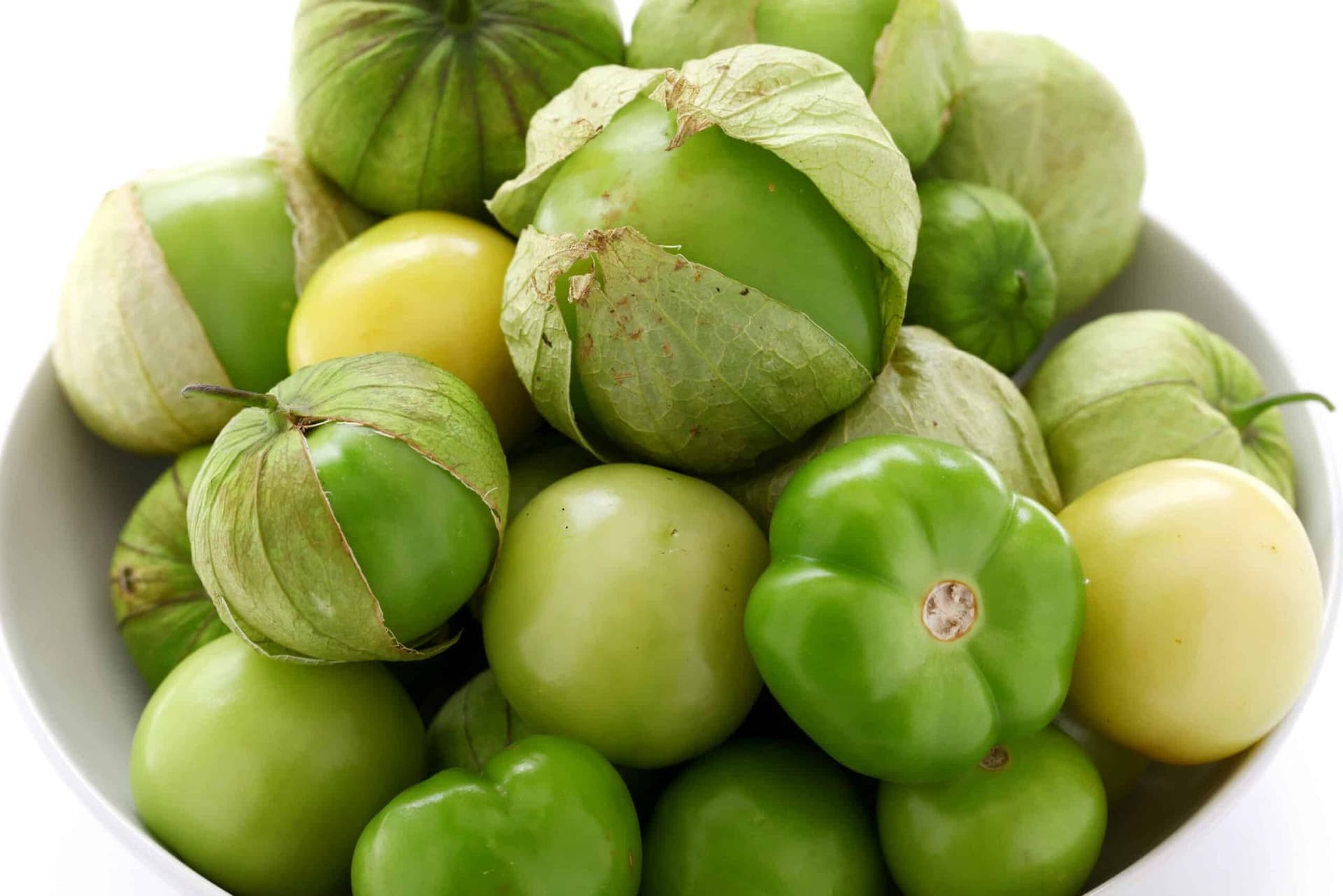
Tomatillos grow inside papery husks, making it hard to judge ripeness at a glance. This guide explains how to know when tomatillos are ripe and offers practical advice on harvesting and storage.

Plant Recommendations
When to Harvest Tomatillos: How to Tell When They're Ripe
How to Plant Pumpkin Seeds for a Fall Harvest and Grow Your Own Patch

7 min read · 4 Nov 2026

How to Plant Pumpkin Seeds for a Fall Harvest and Grow Your Own Patch

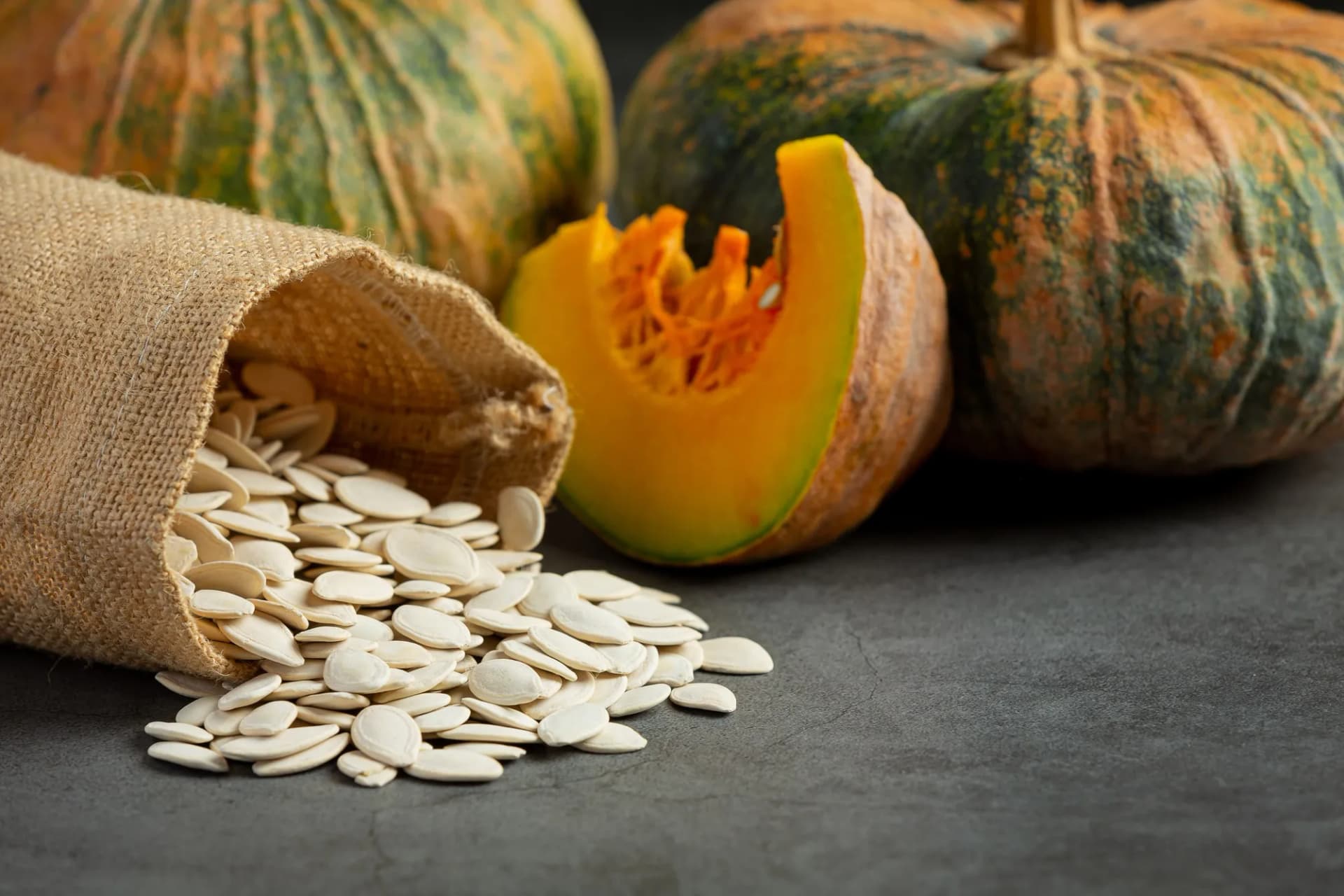
A backyard pumpkin patch starts months before the first leaves turn: the harvest that ends up on the porch in October is decided by what a gardener does in late spring.

Beginner Guides
How to Plant Pumpkin Seeds for a Fall Harvest and Grow Your Own Patch
What Plants Don't Like Epsom Salt?

11 min read · 29 Jul 2026

What Plants Don't Like Epsom Salt?

Learn which plants can be seriously damaged by Epsom salt and which will thrive on it. We’ll explain when and how to use it properly, provide tips for indoor & outdoor plants — read on and enjoy a healthy garden.

Plant Care
What Plants Don't Like Epsom Salt?