Geraldton wax Care (Chamelaucium uncinatum)

Also known as: Geraldton wax plant
Geraldton wax

About Geraldton wax

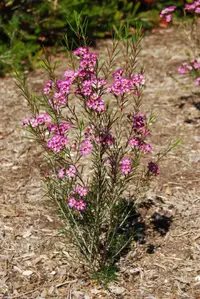
Geraldton wax, Chamelaucium uncinatum, is an evergreen shrub from Western Australia, valued for its long-lasting, waxy flowers and fine, needle-like foliage. It is widely grown as a garden and cut-flower plant in mild, low-frost climates.

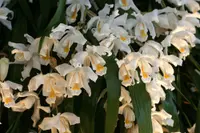
Plants form an upright, bushy shape with many branching stems and masses of small, usually pink to purple or white blooms. The flowers have a light, resinous fragrance and appear over an extended season.

Geraldton wax prefers full sun, low to moderate moisture, and sharply drained, sandy or rocky soil. Once established, it is drought tolerant but dislikes heavy, poorly drained conditions, which is important to understand when learning how to care for Geraldton wax.


Main Plant Requirements

Care Difficulty

Moderate Care

Light Preference

Full Sun

Water Requirements

Low Water

Temperature Preference

Warm Climate

Hardiness Zone

9–11

Soil Texture

Sandy, Loamy, Rocky

Soil pH

Acidic (5.5–6.5), Slightly acidic (6.5–7.0)

Soil Drainage

Well-drained

Fertilization

Minimal (feed rarely)

Get Personalized Care Plan

Scan your plant to receive care tips personalized for your specific plant

Available on iOS and Android

How to Care for the Geraldton wax

This plant prefers bright, open conditions that mimic its native Mediterranean-type climate for healthy flowering.

  • Provide full sun for 6–8 hours per day; morning and early afternoon sun are ideal for compact growth and abundant blooms in Geraldton wax.
  • Tolerates light partial shade (around 3–4 hours sun), but flowering and branching decline if grown in too much shade.
  • In hot inland summers, protect from harsh late-afternoon sun with very light shade to reduce leaf scorch and stress, especially in reflected-heat areas.

This shrub prefers infrequent, deep watering in sharply drained soil once established.

  • Water only when the top 4–6 cm of soil are dry; the plant should not sit in soggy ground at any time.
  • Reduce watering in cool seasons; in hot, dry weather, increase frequency slightly, focusing on slow, deep soakings rather than shallow sprinkles.
  • Watch for yellowing, soft foliage as a sign of overwatering and dry, brittle tips with leaf drop as a sign that Chamelaucium uncinatum is too dry.

This species thrives in mild, dry climates and does best without extreme cold or humid heat.

  • Aim for 60–75°F (16–24°C) for active growth and flowering; these temperatures suit most coastal and mild inland regions.
  • Mature plants tolerate brief drops to about 25°F (-4°C), but young plants are more tender and benefit from frost cloth during cold snaps.
  • In hot areas, plants handle up to 95°F (35°C) if soil drains well and roots are mulched; extended heat above this can reduce flowering and cause stress.

This species prefers dry to moderately dry air and does not need added humidity.

  • Aim for 30–50% humidity, similar to most heated indoor and outdoor conditions in dry climates.
  • Geraldton wax tolerates dry air well but may drop buds if exposed to sudden shifts from very humid to very dry air.
  • If foliage tips brown while soil is moist, reduce drafts and avoid placing the plant near heating or air-conditioning vents.

Chamelaucium uncinatum needs sharply drained, sandy soil that mimics its native Mediterranean-type habitat.

  • Use a gritty mix of 50–60% coarse sand, 20–30% fine gravel or perlite, and 20–30% low-nutrient composted bark or leaf mold.
  • Ensure soil is loose and well aerated; roots should never sit in compacted or sticky textures that hold water.
  • Keep pH slightly acidic to neutral, around 6.0–7.0, avoiding strongly alkaline mixes that can cause nutrient lockout and chlorosis.
  • Avoid heavy clay, peat-heavy, or water-retentive potting mixes; amend them with coarse mineral material until drainage is fast and water runs through freely.

This species can be grown in containers if drainage and stability are carefully managed.

  • Choose a deep, heavy pot that balances the woody, top-heavy shrub and reduces the risk of tipping in wind.
  • Select a mineral-based mix that drains within seconds of watering, then empty saucers immediately to prevent root suffocation.
  • Use unglazed clay or similar porous material to help excess moisture evaporate more quickly in cool or humid weather.

Chamelaucium uncinatum grows best in lean, well-drained soil and needs only modest feeding.

  • Apply a low-dose, slow-release native-plant fertilizer or very dilute balanced NPK in early spring.
  • Feed once at the start of the growing season; a second light feed in midsummer is usually enough.
  • Use half-strength dilution to avoid salt buildup and root burn in this nutrient-sensitive shrub.
  • Do not fertilize in winter; rely on compost or mulch breakdown to support Geraldton wax.

Chamelaucium uncinatum responds well to light, timely pruning that maintains shape and flowering performance.

  • Prune just after main flowering finishes in late winter or spring to avoid removing next year’s buds.
  • Use clean, sharp hand pruners to remove dead, damaged, or crossing stems back to healthy wood.
  • Shorten soft new growth by up to one-third to keep a compact, bushy shape and encourage more flowering tips.
  • Avoid cutting into thick, old bare wood, as it reshoots poorly compared with younger, leafy stems.

Chamelaucium uncinatum is usually grown in the ground, so focus on careful transplanting rather than frequent repotting.

  • Transplant in late winter or early spring, when temperatures are mild and growth is just starting.
  • Move plants only when rootbound, growth stalls, or roots circle the pot or emerge from drainage holes.
  • Choose a slightly larger container or planting hole with very free-draining, sandy soil to limit transplant shock.
  • Water deeply after moving, then keep soil just moist and shaded for 1–2 weeks to help roots re-establish.

This shrub is most often propagated from semi-hardwood cuttings rather than seed for reliable Chamelaucium uncinatum plant care.

  • Take semi-hardwood tip cuttings in late summer, 7–10 cm long, from non-flowering shoots.
  • Remove lower leaves, dip the base in rooting hormone, and insert into a free-draining, sandy propagation mix.
  • Maintain bright, indirect light, high humidity, and bottom warmth around 70–75°F to encourage rooting.
  • Sow seeds only if fresh, in a very coarse mix, and accept slow, uneven germination compared with cuttings.

This Australian shrub dislikes hard frost and benefits from some winter protection in colder regions.

  • In mild climates, mature plants tolerate light frosts down to about 25–28°F if soil drains freely.
  • Apply a 5–8 cm mulch layer around the root zone, keeping it slightly away from the woody stems.
  • In colder areas, grow in containers and move indoors or into a bright, frost-free greenhouse for winter.

Care Tips

Wind hardening outdoors

In the first season, expose young plants to gradually increasing wind by planting them in a slightly open position rather than a fully sheltered nook, which encourages sturdier stems and reduces breakage once the shrub reaches flowering size.

Low‑phosphorus support

When planting into native or very sandy soils, mix in a small amount of low‑phosphorus native plant granular fertilizer in the backfill zone only, so roots are encouraged to spread into the surrounding soil without phosphorus stress.

Root zone protection

Apply a coarse, open mulch like pine bark or wood chips in a thin 3–5 cm layer, keeping it a few centimeters away from the stem, to keep roots cool and reduce weed competition without trapping excess moisture around the crown.

Cutting hygiene practices

Always use very sharp, disinfected pruners and make cuts just above a node, then remove any stems that flowered heavily the previous season to limit dieback and maintain a balanced structure for the next flush of growth.

Flowering stem harvest

If cutting stems for indoor arrangements, take no more than 1/3 of the flowering growth from each plant at a time and recut the stems under water at home, which supports longer vase life while keeping the shrub vigorous for future flowering when growing Geraldton wax.

Common Pests and Diseases

Scale insects

This pest attaches to stems and leaves, sucking sap and causing yellowing, leaf drop, and general decline. Symptoms include small dome-shaped or oval bumps that may be brown, tan, or white, often along woody stems of Geraldton wax.

Solution

Prune out heavily infested stems and dispose of them. For lighter infestations, gently wipe stems with a cotton pad dipped in dilute alcohol, then use a horticultural or neem oil spray, repeating every 7–10 days until new growth appears clean and healthy.

Myrtle rust

This disease causes yellow spots on young leaves and stems that develop into bright yellow to orange pustules with powdery spores, leading to leaf distortion and dieback. In severe cases, new growth is stunted and affected shoots may die back from the tips.

Solution

Promptly remove and bag affected leaves and shoots, avoiding shaking spores onto other plants, and discard them in household waste rather than compost. Improve spacing and airflow around the plant, avoid overhead watering, and in high-risk areas use a registered fungicide for myrtle rust according to local label directions as part of broader Chamelaucium uncinatum care.

Botrytis blight

This disease appears as soft brown spots on petals and tender shoots, often covered by gray fuzzy mold in cool, humid conditions. Symptoms include flower browning, premature petal drop, and tip dieback on dense or poorly ventilated plants.

Solution

Remove and discard all affected flowers and soft tissue, and thin the plant lightly to increase airflow around the canopy. Water at the base in the morning rather than overhead, and if conditions remain humid, apply a labeled ornamental fungicide targeting Botrytis, rotating products if used repeatedly to reduce resistance risk.

Leaf spot

This disease causes small brown to purple spots on leaves that can merge into larger blotches, sometimes with a pale center. Symptoms include premature leaf yellowing and drop, especially on lower, shaded branches.

Solution

Prune out the most affected shoots and rake up fallen leaves to reduce the source of reinfection. Improve light and airflow around the plant, avoid wetting foliage late in the day, and if spotting continues, use a broad-spectrum ornamental fungicide according to label directions until new growth develops clean leaves.

Webbing caterpillars

These insects create webbing among leaves and branch tips, chewing foliage and sometimes flowers inside the protected web. Symptoms include skeletonized leaves, frass (droppings), and clumps of foliage held together by fine silk threads.

Solution

Cut off and dispose of webbed shoot tips that contain larvae before damage spreads. For larger shrubs, use a strong water spray to break up webs, then apply a selective biological insecticide containing Bacillus thuringiensis (Bt) to young caterpillars, repeating as needed while monitoring new growth.

Interesting Facts

Essential oil producer

The foliage contains aromatic essential oils rich in monoterpenes, which give the leaves their strong resinous fragrance when crushed and contribute to the plant’s resistance to herbivores and pathogens.

Long-lasting cut flowers

Its waxy flowers have a tough, water-conserving cuticle that slows wilting, which is why Geraldton wax is highly valued in the cut flower trade for its long vase life and ability to retain color and form after transport.

Proteoid root adaptation

Like many Australian shrubs, it develops dense clusters of fine roots known as proteoid or cluster roots, which increase nutrient uptake efficiency in the extremely nutrient-poor, sandy soils of its native Western Australian habitat.

Botan icon

Did you know?

Geraldton wax is one of the most important filler flowers in the global cut flower industry, with extensive breeding programs in Australia, Israel, and other countries producing cultivars in a wide range of colors and flowering times specifically for export markets.

FAQs about Geraldton wax

Poor flowering usually comes from too much fertilizer, excess water, or pruning at the wrong time. This species sets buds on new growth after flowering, so prune lightly right after the main flush, then allow stems to mature undisturbed.

Grow Healthy Plants with Botan Care

Keep your plants happy and healthy with plant identification, disease detection, and easy care guidance.

Botan plant care app — identify plants on mobile

Explore More Plants