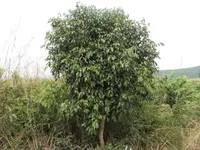
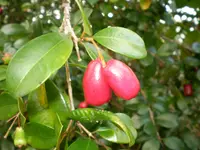
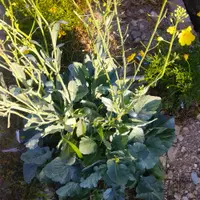
nodding microseris Care (Microseris nutans)

nodding microseris

About nodding microseris

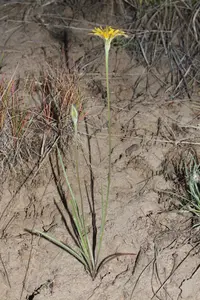
Nodding microseris (Microseris nutans) is a small, herbaceous wildflower in the aster family, grown mainly from seed. It forms a basal rosette of narrow leaves and sends up slender stems topped with nodding, dandelion-like yellow flower heads. Native to western North America, it typically occurs in open grasslands, sagebrush steppe, and light woodland clearings. The plant prefers full sun, seasonally moist to dry soil, and low to moderate fertility, which makes it better suited to naturalistic or meadow-style plantings than to highly watered lawns. Gardeners who care for nodding microseris should note that it behaves like a short-lived perennial or annual, often relying on self-seeding to persist.

Main Plant Requirements

Care Difficulty

Moderate Care

Light Preference

Full Sun

Water Requirements

Low Water

Temperature Preference

Cool Climate

Hardiness Zone

4–8

Soil Texture

Sandy, Loamy, Rocky

Soil pH

Slightly acidic (6.5–7.0), Neutral (7.0)

Soil Drainage

Well-drained

Fertilization

Minimal (feed rarely)

Get Personalized Care Plan

Scan your plant to receive care tips personalized for your specific plant

Available on iOS and Android

How to Care for the nodding microseris

This North American wildflower prefers open, sunny sites but tolerates some light shade.

  • Provide 6–8 hours of direct sun daily; morning sun with light afternoon shade helps prevent stress in hot summers.
  • In hotter regions, give nodding microseris filtered light or shade after 2–3 p.m. to reduce leaf scorch and premature drying of flower stalks.
  • In spring and fall, full sun is ideal; in mid-summer, monitor for pale, stretched growth (too little light) or crispy leaf edges (too much).

This species prefers slightly dry to moderately moist soil, not constant wetness.

  • Allow the top 3–5 cm of soil to dry between rains or irrigations, then water deeply so moisture reaches the root zone.
  • Ensure sharply drained soil; Microseris nutans in heavy clay or puddling sites is prone to root and crown rot from overwatering.
  • During cool, moist spring, extra watering is rarely needed; in hot, dry spells, watch for limp, dull leaves and water before the foliage fully collapses.

This plant is adapted to temperate climates with cool to mild growing seasons.

  • Optimal growth occurs around 55–70°F (13–21°C), typical of cool spring conditions when leaves and buds develop best.
  • Established plants tolerate light frost down to about 25°F (-4°C), but hard freezes below this can damage foliage and young flower stems.
  • In summer, it handles brief heat up to about 85–90°F (29–32°C) if soil is not waterlogged; prolonged heat may shorten flowering and speed dormancy.

This species handles typical outdoor humidity in dry climates without special adjustment.

  • Aim for 30–60% humidity, similar to average outdoor air in its native habitats.
  • Leaves may droop and tips may crisp slightly under very hot, extremely dry air, but plants usually recover if watered correctly.
  • If a rare humidity boost is needed for nodding microseris, group containers together or place near a shallow water tray without crowding foliage.

Microseris nutans prefers lean, well-drained, slightly gritty soil that mimics open prairie or rocky meadow conditions.

  • Use a sandy or sandy-loam mix with low to moderate organic matter to prevent waterlogging around the roots.
  • Combine roughly 50–60% native or bagged sandy soil with 20–30% coarse sand and 10–20% fine gravel or perlite for drainage.
  • Target a slightly acidic to neutral pH around 6.0–7.0; avoid very alkaline mixes that can limit nutrient uptake.
  • Do not use heavy clay or peat-heavy potting mixes unless they are significantly lightened with mineral grit to maintain aeration.

This species can be grown in containers if the pot is set up to drain quickly and stay relatively lean.

  • Choose a pot at least 20–25 cm deep so the taproot can develop without curling tightly at the base.
  • Select unglazed terracotta if possible, as it allows faster moisture loss and reduces the risk of root rot in a lean mix.
  • Raise the pot slightly on feet or bricks so drainage holes never sit in a saucer of standing water after rain or irrigation.

This native wildflower usually needs minimal feeding in ordinary, not overly rich soil.

  • If soil is very poor, apply a light top-dressing of fine compost in early spring before active growth.
  • Use a low-strength balanced NPK fertilizer at 1/4–1/2 label rate during the main growing season if plants appear weak.
  • Feed no more than once per month in spring and early summer; stop feeding as foliage begins to yellow and the plant goes dormant.
  • Avoid heavy, repeated fertilization, which can cause lanky growth and reduce flowering in nodding microseris.

Microseris nutans requires only light, functional pruning rather than shaping.

  • In late fall or after seed set, trim back spent flower stalks with clean scissors or hand pruners to keep the planting neat.
  • Remove any dead, diseased, or damaged foliage as seen, cutting back to healthy tissue.
  • Leave some seed heads if natural reseeding and wildlife value are desired, or remove most to limit spread.
  • Avoid hard cutting into the small basal rosette, as this does not improve growth or flowering.

This species is better suited to in-ground planting than long-term container culture, so focus on careful transplanting.

  • Transplant in early spring or early fall when temperatures are mild and soil is workable.
  • Move plants only when young, before deep taproots form, to reduce transplant shock and slow recovery.
  • Choose a sunny, well-drained site and plant at the same depth, gently spreading any circling roots without breaking them heavily.
  • Water thoroughly after transplanting, then keep soil lightly moist, not saturated, until new growth shows established roots.

Microseris nutans is most commonly propagated from seed rather than vegetative methods.

  • Collect dry, mature seed heads after flowering when they start to fluff and brown.
  • Sow fresh seeds in fall outdoors for natural cold stratification, or refrigerate seeds 4–6 weeks before spring sowing.
  • Use a well-drained, gritty seed mix, barely cover the seeds, and keep evenly moist but not waterlogged.
  • Provide bright light and cool to mild temperatures; thin seedlings to prevent crowding and encourage sturdy growth.

This North American native is generally cold hardy in its adapted range and needs little specific winter care.

  • In colder areas, leave fallen leaves or apply a light, breathable mulch layer to insulate the root zone without trapping excess moisture.
  • Avoid heavy winter watering; keep soil only slightly moist if conditions are dry and unfrozen.
  • Container-grown plants in marginal zones can be overwintered in a cold, bright, frost-free garage or porch.

Care Tips

Encourage early rosettes

Start seeds in small, shallow trays and prick out seedlings once they show a small rosette, spacing them 10–15 cm apart to prevent crowding and encourage sturdy basal growth.

Manage taproot carefully

Transplant only when seedlings are very young and soil is moist, handling the root ball gently to avoid bending or breaking the developing taproot, which can permanently stunt growth.

Use low-competition companions

Grow plants with short, fine-rooted annuals or grasses and avoid aggressive groundcovers so the nodding microseris roots do not compete heavily for moisture and nutrients.

Mimic natural drying

As seed heads mature and stems dry, gradually reduce watering and allow the top layer of soil to dry fully to improve seed quality and better mimic the plant’s natural seasonal cycle when growing nodding microseris.

Time seed collection

Monitor seed heads as they turn tan and begin to fluff, then bag the heads or cut them into paper bags just before full dispersal so viable seed is collected without losing it to wind.

Common Pests and Diseases

Aster leafhopper

These insects feed on plant sap and can transmit aster yellows phytoplasma, leading to stunting and distorted growth in Microseris nutans. Symptoms include pale, twisted leaves and deformed flower stalks.

Solution

Monitor plants in spring and early summer, and remove nearby weedy hosts that harbor leafhoppers. Use fine insect netting on small plantings, and if populations are high, apply a targeted insecticidal soap or pyrethrin product in the evening, coating foliage thoroughly while avoiding open flowers to protect pollinators.

Aster yellows

This disease is caused by a phytoplasma spread by leafhoppers and leads to chlorotic, stunted rosettes and malformed, sometimes sterile flower heads. Symptoms include yellowing veins, bushy growth, and failure to set viable seed.

Solution

Promptly remove and destroy symptomatic plants to reduce the disease reservoir, and control aster leafhopper populations around plantings. Avoid overhead irrigation that keeps foliage wet for long periods and maintain good spacing so new plants establish from healthy, disease-free seed.

Powdery mildew

This disease appears as white, dusty patches on leaves and stems, especially under crowded or shaded conditions. Symptoms include reduced vigor and premature leaf decline, which can limit seed production.

Solution

Improve air circulation by avoiding overcrowding and reducing dense nearby vegetation, and water at soil level rather than on foliage. Remove heavily infected leaves and, if needed, apply a sulfur or potassium bicarbonate fungicide labeled for ornamental or native forbs, following label directions carefully.

Seedling damping-off

This disease affects emerging seedlings in trays or overly wet beds, causing stems to collapse at soil level and young plants to wither and die. Symptoms include water-soaked, constricted stem bases and patchy loss of seedlings.

Solution

Use clean, well-draining seed mix and avoid overwatering, keeping the surface just slightly moist. Provide good air movement, thin crowded seedlings, and discard badly affected trays; for repeated problems, pre-moisten medium and consider a labeled biological fungicide drench at sowing as part of Microseris nutans care instructions.

Interesting Facts

Night-opening flower heads

The flower heads of this species typically remain closed or nodding by day and open fully in the late afternoon or evening, an adaptation thought to match the activity of its main pollinators and protect pollen from daytime heat and wind.

Specialist butterfly host

Microseris nutans serves as a larval host plant for some native checkerspot butterflies in western North America, which feed on its foliage during early development and depend on its presence in intact grassland habitats.

Glyphosate sensitivity indicator

Populations of this species in California grasslands have been used in ecological and restoration studies as sensitive indicators of glyphosate herbicide impacts because its abundance and reproduction can decline noticeably under repeated applications.

Botan icon

Did you know?

Archaeobotanical research on western North American Indigenous food plants has documented Microseris nutans achenes (its dry, one-seeded fruits) in ancient habitation sites, showing that its seeds were intentionally gathered and eaten as a traditional wild grain-like food source.

FAQs about nodding microseris

Yes, this species is traditionally eaten by some Indigenous peoples, especially the starchy root, which can be roasted or steamed. Only harvest from clean, pesticide-free sites and confirm identification carefully, as other similar daisies are not edible.

Grow Healthy Plants with Botan Care

Keep your plants happy and healthy with plant identification, disease detection, and easy care guidance.

Botan plant care app — identify plants on mobile

Explore More Plants