plains pricklypear Care (Opuntia polyacantha)

Also known as: Hairspine Pricklypear, Starvation Pricklypear, Panhandle Prickly-pear, Starvation Cactus, Cold-hardy Prickly Pear Cactus, Cold-hardy Pricklypear
plains pricklypear

About plains pricklypear

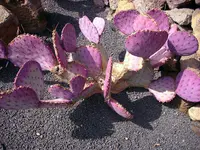
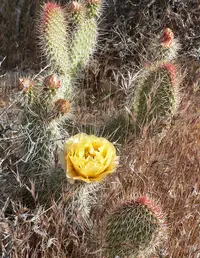
Plains pricklypear, Opuntia polyacantha, is a low-growing, spreading cactus native to dry grasslands and rocky slopes across central and western North America. It forms flat, jointed pads armed with sharp spines and smaller hairlike bristles that can easily detach. In spring to early summer, it produces showy cup-shaped flowers in shades of yellow, pink, or magenta, followed by small fleshy fruits. This species is highly drought tolerant and adapted to poor, sandy, or gravelly soils, which makes it relatively easy to grow in dry climates. Those who want to learn how to care for plains pricklypear should focus on strong light, fast-draining soil, and avoiding overwatering.

Main Plant Requirements

Care Difficulty

Easy Care

Light Preference

Full Sun

Water Requirements

Low Water

Temperature Preference

Cold Hardy

Hardiness Zone

3–9

Soil Texture

Sandy, Loamy, Rocky

Soil pH

Slightly acidic (6.5–7.0), Slightly alkaline (7.0–7.5)

Soil Drainage

Well-drained

Fertilization

Minimal (feed rarely)

Get Personalized Care Plan

Scan your plant to receive care tips personalized for your specific plant

Available on iOS and Android

How to Care for the plains pricklypear

This hardy cactus thrives in strong sun but adapts to slightly lower light in cooler regions.

  • Provide 6–10 hours of direct sun daily; full, unobstructed exposure suits plains pricklypear in most outdoor sites.
  • Allow light afternoon shade in very hot, arid climates to reduce pad scorching and sun-stress bleaching.
  • In spring, harden plants off by increasing direct sun over 7–10 days; in fall and winter, accept lower angles but avoid dense, permanent shade.

This species is highly drought-tolerant and prefers infrequent, deep watering to constant moisture.

  • Water outdoor plants only when the soil is completely dry at least 5–10 cm deep, then soak the root zone thoroughly once.
  • Use very fast-draining, sandy or gravelly soil so water runs through within seconds, reducing root rot risk in Opuntia polyacantha.
  • In hot growth periods, expect occasional pad wrinkling before watering; in cool fall and winter, keep almost dry and avoid any standing water.

This cold-hardy cactus tolerates wide temperature swings when soil drains freely.

  • Active growth is best at 70–90°F (21–32°C), though plants handle 60–95°F (16–35°C) without stress in dry air.
  • Established plants can survive brief drops to about -20°F (-29°C) if soil is sharply drained and pads are not waterlogged.
  • In hot spells above 95°F (35°C), ensure airflow and, if possible, light afternoon shade; in winter, keep it dry so cold plus moisture does not damage tissues.

This cactus handles low household humidity easily and rarely needs special humidity care.

This species prefers very fast-draining, mineral, sandy soil that mimics arid native habitats.

  • Use a cactus mix amended with 30–50% extra coarse sand or small grit to prevent water retention near roots.
  • Aim for slightly acidic to neutral pH around 6.0–7.2, which supports nutrient uptake without encouraging rot.
  • Incorporate a small amount of fine gravel throughout the mix to improve aeration and mechanical stability for pads.
  • Avoid dense, peat-heavy or clay-based substrates, which hold water and drastically increase the risk of root rot in Opuntia polyacantha.

This species is well suited to container growing when drainage and stability are carefully managed.

  • Choose a wide, shallow, heavy container that resists tipping as pads spread outward and increase leverage.
  • Use unglazed clay pots if possible, since they allow faster evaporation and reduce prolonged moisture around the roots.
  • Raise the pot on feet or bricks outdoors so drainage holes stay clear and water cannot pool under the container.

This drought-adapted cactus needs very light feeding, especially in poor or sandy soils.

  • Use a low-strength balanced NPK cactus fertilizer or a thin layer of compost in spring as new growth starts.
  • Feed container-grown plains pricklypear 1–2 times per growing season at 1⁄4–1⁄2 label strength.
  • Avoid high-nitrogen products, which cause weak, overly lush pads prone to rot.
  • Do not fertilize in fall or winter; allow the plant to rest during dormancy.

Pruning Opuntia polyacantha is mainly done to manage size, remove damage, and maintain safe spacing.

  • Best time is late spring to early summer, once the risk of hard frost has passed.
  • Remove dead, shriveled, storm-damaged, or crossing pads to improve airflow and reduce rot risk.
  • Use long-handled tongs and a sharp, clean knife or pruning saw; cut pads cleanly at the joint.
  • Selective thinning shapes the clump, controls spread, and can improve light exposure for flowering.

This species is usually grown in the ground; container plants or clumps are moved only when necessary.

  • Transplant in late spring or early summer when soils are warming and plants are actively growing.
  • Look for roots circling the pot, slow growth despite good light, or soil that dries almost instantly.
  • Move container plants every 3–4 years into a slightly larger pot with gritty, fast-draining cactus mix.
  • Minimize root stress by keeping roots as intact as possible, replanting at the same depth, and watering lightly once after settling the soil.

This cactus is commonly propagated from pads and sometimes from seed for larger plantings.

  • Use healthy, mature pads taken in late spring or early summer with clean, sharp tools.
  • Allow cut pads to callus in a dry, shaded place for 7–10 days before planting.
  • Set pads upright in gritty, barely moist cactus mix, and keep warm with bright, indirect light until rooted.
  • For seeds, provide well-draining soil, light moisture, and warmth; germination may be slow and uneven.

This plains native is quite cold hardy but still benefits from thoughtful winter management, especially in containers.

  • In the ground, healthy plants tolerate substantial frost and brief deep freezes in dry conditions.
  • Apply a light gravel or coarse sand mulch around the base to improve drainage at the root zone.
  • Keep soil almost dry in winter to reduce the risk of freeze-related rot in the pads and roots.
  • Move container plants to a cold, bright, frost-free spot and avoid watering until early spring.

Care Tips

Root-zone warming

In cool climates, place the pot or planting site near a south-facing wall or on gravel that absorbs heat to slightly warm the root zone and extend the active growing season.

Low-organic topdressing

Apply a thin topdressing of coarse sand, small gravel, or crushed granite around the pads to keep the crown dry, reduce rot risk, and discourage weeds competing for water.

Winter moisture shielding

In regions with wet winters, set a clear, sloped rain shield over the plant (without sealing the sides) so pads and the crown stay relatively dry while still receiving full light and airflow.

Safe pad handling

When moving or dividing pads, grip them with folded newspaper, grill tongs, or thick foam instead of gloves, then let cut pads callus in a dry, shaded spot for 5–10 days before replanting.

Gravel weed control

Use a 3–5 cm layer of angular gravel as mulch to limit weed growth and make it easier to spot and remove any seedlings that appear without disturbing the shallow roots when caring for plains pricklypear.

Common Pests and Diseases

Cochineal scale

This pest forms white, cottony clusters on pads and can produce intense red dye when crushed. Symptoms include sticky pads, weakened growth, and sometimes sooty mold on the honeydew they excrete.

Solution

Remove heavily infested pads and dispose of them. For remaining colonies, spray pads forcefully with water to dislodge insects, then treat remaining clusters with cotton swabs dipped in 70% isopropyl alcohol or use a labeled horticultural soap, repeating weekly until no new clusters appear.

Cactus mealybugs

These insects hide in pad joints and spines as white, fuzzy masses and suck plant sap, leading to yellowing, shriveling, and reduced vigor. This pest often appears on stressed plants grown in containers or in overly sheltered, stagnant air sites.

Solution

Isolate affected plants, then use a stiff, dry brush or a strong water spray to remove visible insects. Follow with spot treatment using 70% isopropyl alcohol or a ready-to-use insecticidal soap, repeating at 7–10 day intervals until no new mealybugs are seen, and improve light and airflow to reduce reinfestation.

Cactus borers

These insects bore into pads and stems, causing internal tunneling, sunken areas, and sudden collapse or browning of sections of the cactus. Symptoms include oozing spots, frass (sawdust-like material), and hollow pads.

Solution

Prune and discard all affected pads well back into healthy, firm tissue, and inspect the cut surfaces for remaining tunnels. Maintain plants in full sun with low humidity, and in areas with a history of borers, regularly check pads for fresh entry holes so infested sections can be removed early as part of Opuntia polyacantha care.

Fungal pad spots

This disease causes small, dark, sunken lesions on pads that may enlarge, crack, or develop pale centers. Symptoms include patchy pads, occasional scabby areas, and slow weakening of affected segments, especially after prolonged wet periods.

Solution

Cut off and discard pads with extensive spotting, and avoid overhead watering so pads dry quickly. Improve spacing and sun exposure, and in persistent wet climates consider applying a sulfur- or copper-based fungicide labeled for cacti at the start of humid periods, following label directions closely.

Bacterial soft rot

This disease leads to water-soaked, mushy, foul-smelling areas on pads that spread rapidly in warm, wet conditions. Symptoms include collapsing segments and tissue that turns dark, slimy, and easily detached.

Solution

Remove and dispose of all affected pads immediately, cutting well into firm, healthy tissue and disinfecting tools between cuts with 10% bleach or 70% alcohol. Keep the plant dry on the surface, increase sun and airflow, and avoid wounds and overfertilizing, since damaged, lush tissue is more prone to soft rot infection.

Interesting Facts

Extreme cold tolerance

This plains pricklypear survives winter temperatures well below freezing, remaining viable even when pads appear shriveled and desiccated under snow cover in much of the central and northern Great Plains.

Variable spine armor

Its pads show striking variation in spine length and density between populations, with some forms almost hair-spined and others extremely armed, reflecting adaptation to local herbivores and microclimates.

Fire and trampling resilience

The segmented pads can root from broken pieces, so this species often rebounds quickly after trampling, grazing, or low-intensity fire, allowing it to persist in disturbed prairie rangelands.

Botan icon

Did you know?

In parts of the northern Great Plains, this cactus can form dense, low mats that act as natural barriers, significantly influencing grazing patterns by cattle and wild herbivores, which tend to avoid areas where its pads and spines dominate the ground layer.

FAQs about plains pricklypear

Lack of flowers usually comes from insufficient light, overly rich or wet soil, or plants that are still immature. Cold winter dormancy and strong sun trigger bud formation, so mild climates or warm indoor conditions can reduce blooming.

Grow Healthy Plants with Botan Care

Keep your plants happy and healthy with plant identification, disease detection, and easy care guidance.

Botan plant care app — identify plants on mobile

Explore More Plants