limestone fameflower Care (Phemeranthus calcaricus)

Also known as: cedar-glade rock-pink
limestone fameflower

About limestone fameflower

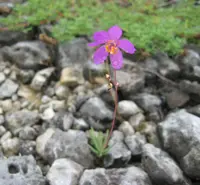
Limestone fameflower, Phemeranthus calcaricus, is a small, perennial succulent adapted to dry, rocky limestone outcrops. It forms low mats or tufts with fleshy, cylindrical leaves and delicate star-shaped flowers that open in bright light.

This species is native to limited regions of the central United States, where it clings to thin, gravelly soils on sunny slopes and cliffs. Its drought tolerance and compact size make it attractive for rock gardens and troughs, but it resents poorly drained, heavy soils.

Understanding how to care for limestone fameflower starts with mimicking its natural habitat: high light, sharp drainage, and only occasional watering once established.

Main Plant Requirements

Care Difficulty

Moderate Care

Light Preference

Full Sun

Water Requirements

Low Water

Temperature Preference

Cold Hardy

Hardiness Zone

5–8

Soil Texture

Sandy, Rocky

Soil pH

Slightly acidic (6.5–7.0), Neutral (7.0)

Soil Drainage

Well-drained

Fertilization

Minimal (feed rarely)

Get Personalized Care Plan

Scan your plant to receive care tips personalized for your specific plant

Available on iOS and Android

How to Care for the limestone fameflower

This sun-loving succulent thrives in bright, open sites that mimic rocky outcrops.

  • Provide 6–8 hours of direct sun daily; full morning sun with light afternoon sun is ideal for compact growth and flowering.
  • It tolerates light partial shade, but stems may stretch and flowering drops if it receives less than about 4 hours of direct light.
  • In very hot summers, intense late-afternoon sun on shallow, rocky soils can scorch foliage, so favor east or south exposure for limestone fameflower.

This species behaves like a drought-adapted succulent and prefers infrequent, deep watering.

  • Allow soil to dry completely between waterings; in the ground, only water when the top 5–8 cm are bone dry after a prolonged dry spell.
  • Use sharply draining, gravelly soil so water runs through quickly; standing water or heavy clay strongly increases root-rot risk.
  • In cool or dormant periods, reduce or stop watering; shriveling leaves suggest underwatering, while mushy stems, yellowing, or sudden collapse signal overwatering.

This rock-dwelling succulent is adapted to warm summers and cool, dry winters.

  • Optimal growing temperatures are about 70–85°F (21–29°C), with strong sun and good air movement during the growing season.
  • Established plants can tolerate brief drops to around 0°F (-18°C) in very well-drained, dry soil but young plants are less hardy.
  • Heat up to 95–100°F (35–38°C) is acceptable if roots stay cool in mineral mulch; prolonged frost with wet soil greatly increases rot risk.

This species is a drought-adapted succulent that thrives in dry air and does not need elevated humidity.

  • Aim for 30–50% relative humidity, similar to typical indoor and outdoor air in most homes.
  • Limestone fameflower tolerates very dry conditions; humidity stress is more likely from excess moisture than from dryness.
  • If foliage or stems stay soft, pale, or mushy, reduce ambient humidity and increase air circulation rather than trying to raise humidity.

This species needs very mineral, sharply drained soil that mimics rocky limestone outcrops.

  • Use a sandy or gritty mix with 60–80% mineral content such as coarse sand, small gravel, and pumice, with only a small amount of organic matter.
  • Ensure extremely fast drainage; water should run through the pot within seconds and the mix should dry quickly between waterings.
  • Keep pH slightly alkaline to neutral (about 7.0–8.0) by including crushed limestone chips or a limestone-based gravel in the mix.
  • For Phemeranthus calcaricus, avoid dense peat-based or clay-heavy substrates that stay wet, as these limit aeration and promote root rot.

This species is suitable for container growing when given a very shallow, fast-draining setup.

  • Choose a wide, shallow pot to accommodate its spreading, shallow root system and prevent excess wet substrate depth.
  • Use unglazed terracotta if possible, as it allows moisture to evaporate faster and keeps the mineral mix drier.
  • Raise the container slightly on pot feet or stones so drainage holes stay clear and runoff water cannot pool under the pot.

This limestone-adapted succulent needs only light feeding to stay healthy in cultivation.

  • Use a low-dose balanced NPK liquid fertilizer at 1/4–1/2 strength on well-established plants only.
  • Feed once every 4–6 weeks during active growth in late spring and summer, after watering the soil first.
  • Skip fertilizer in fall and winter when growth slows and the plant rests.
  • Avoid compost-rich mixes or frequent slow-release products, which can cause weak, over-soft growth in limestone fameflower.

Phemeranthus calcaricus needs minimal pruning, mainly to keep clumps tidy and flowering well.

  • Best time for light pruning is late winter to early spring, before strong new growth begins.
  • Snip off dead flower stalks and obviously damaged or shriveled stems with clean, sharp scissors.
  • Thin crowded, elongated stems to encourage a compact mound and better light penetration.
  • Avoid heavy cutting into healthy crowns, as this succulent stores resources in its fleshy stems.

This species is usually grown in rock gardens; container plants or young nursery stock may need only rare transplanting.

  • Check for roots circling the pot drainage holes or noticeably slowed growth as signs a move is needed.
  • Transplant in late spring, choosing a shallow, gritty, sharply drained mix that mimics its native limestone habitat.
  • Plan on transplanting every 3–4 years at most, mainly to refresh the soil rather than to size up.
  • Lift the plant gently, keep the root ball as intact as possible, and water sparingly afterward to limit root stress.

Phemeranthus calcaricus is most often propagated by seed, with some success from careful division.

  • Sow fresh seeds in late winter to early spring on the surface of a very gritty, free-draining mix.
  • Provide bright light, good air movement, and only light, even moisture to encourage germination without rot.
  • Divide established clumps in spring, separating small sections with intact roots and several shoots.
  • Replant divisions immediately, keep crowns slightly raised above soil level, and water very lightly until established.

This species is fairly cold hardy in well-drained sites, but winter wet can be more damaging than frost.

  • In the ground, ensure very sharp drainage and slightly raised planting to keep crowns from sitting in winter water.
  • Add a thin gravel or grit mulch around the base to keep stems dry while allowing air flow.
  • Container plants in colder or very wet climates should be moved under cover, such as an unheated porch or cold frame.

Care Tips

Rock crevice planting

Tuck plants into narrow, well-drained rock crevices or between stacked stones to mimic their natural limestone ledge habitat and reduce crown rot risk from standing water around the stem base.

Summer dormancy management

Monitor foliage in late summer and, when it begins to yellow and die back, cut irrigation to almost zero and mark the spot with a stone or tag so the dormant crowns are not disturbed during maintenance.

Winter rain protection

In climates with cold, wet winters, place a simple clear rain shield over the planting pocket or use a sharply sloped rock above the crown so excess water sheds away while the roots still receive ambient moisture.

Grit mulch layer

Apply a 1–2 cm topdressing of coarse grit or small limestone chips around the crown to keep the neck dry, limit weed competition, and maintain the alkaline conditions favored when growing limestone fameflower.

Division and renewal

Every 3–4 years, lift and gently divide crowded clumps in early spring, replanting only firm, healthy segments into fresh gritty mix to maintain vigor and reduce losses from aging, congested crowns.

Common Pests and Diseases

Stem rot

This disease affects plants grown in overly moist, poorly drained substrates, causing basal stems to darken, soften, and collapse. Symptoms include sudden wilting in warm weather despite damp soil.

Solution

Improve drainage by using a very gritty, fast‑draining mineral mix and avoid organic mulches around the crowns. Remove and discard affected plants and nearby wet debris, then replant only in sharply drained, raised, or rocky sites to reduce future infection; this is a key point in Phemeranthus calcaricus care instructions.

Crown dieback

This disease develops where water collects around the plant crown, leading to yellowing, then browning and dieback of central shoots. Symptoms include shrinking clumps and dead centers while outer portions may remain alive for a time.

Solution

Brush away or remove accumulated soil and organic matter from the crown so it sits slightly above the surrounding grade, and avoid overhead irrigation that soaks the plant center. Cut out dead crown tissue during dry weather, sterilizing tools between cuts, and maintain a lean, rocky topdressing to keep the crown dry.

Spider mites

These insects become an issue when plants grow in hot, dry, wind‑sheltered spots, especially in containers, causing fine stippling and dull, grayish foliage. This pest may produce fine webbing between stems and along flower stalks.

Solution

Rinse plants with a firm stream of water to remove mites, repeating every few days until new growth appears clean. Increase air movement, avoid excess nitrogen fertilizer, and if needed apply a targeted insecticidal soap or horticultural oil to all leaf and stem surfaces during cooler parts of the day.

Aphids

These insects occasionally colonize young shoots and flower stalks, sucking sap and distorting tender growth. This pest also excretes sticky honeydew that can attract ants or support sooty mold on nearby surfaces.

Solution

Pinch or hose off infested shoots, focusing on the undersides of leaves and flower stems. For persistent colonies, use insecticidal soap or a light horticultural oil, applied thoroughly to new growth and repeated at 5–7‑day intervals until populations decline.

Interesting Facts

Narrow Tennessee endemic

This limestone fameflower occurs naturally on only a limited number of limestone glades and cliffs in Tennessee, making it a narrow-range endemic strongly tied to that state’s geology and microclimate.

Crack-habitat specialist

The species typically grows in thin soil pockets and rock crevices on exposed limestone, where very shallow substrates and extreme temperature swings exclude most competing plants.

Late-day flowering pattern

Its small pink flowers usually open in mid to late afternoon and close by evening, a timing that aligns with the activity of certain pollinating insects on hot, open rock surfaces.

Botan icon

Did you know?

This plant is considered a glade and cliff specialist associated with the Central Basin and Highland Rim physiographic regions of Tennessee, and its restricted habitat has led to conservation concern and monitoring by regional botanists.

FAQs about limestone fameflower

Lack of blooms usually comes from insufficient light, overly rich or moist soil, or excessive shade from nearby plants. This species flowers best in very bright, lean, sharply drained conditions and may skip flowering if crowded or pampered.

Grow Healthy Plants with Botan Care

Keep your plants happy and healthy with plant identification, disease detection, and easy care guidance.

Botan plant care app — identify plants on mobile

Explore More Plants