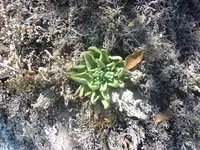
flameflower Care (Talinum caffrum)

Also known as: Oxbush, Porcupine Root
flameflower

About flameflower

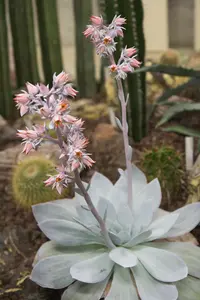
Talinum caffrum, commonly called flameflower, is a small, sun-loving succulent perennial grown mainly for its bright starry blooms and neat mounding shape. It typically forms low clumps of fleshy leaves with slender stems that carry vivid pink to magenta flowers on warm, dry days.

This species is native to rocky, open habitats in southern Africa, so it adapts well to containers, rock gardens, and dry borders in warm climates. It is generally easy to grow if given strong light, well-drained soil, and moderate watering, which helps explain how to care for flameflower in typical home gardens.

Main Plant Requirements

Care Difficulty

Easy Care

Light Preference

Full Sun

Water Requirements

Low Water

Temperature Preference

Tropical / Frost Sensitive

Hardiness Zone

10–11

Soil Texture

Sandy, Loamy, Rocky

Soil pH

Slightly acidic (6.5–7.0), Neutral (7.0)

Soil Drainage

Well-drained

Fertilization

Minimal (feed rarely)

Get Personalized Care Plan

Scan your plant to receive care tips personalized for your specific plant

Available on iOS and Android

How to Care for the flameflower

Talinum caffrum prefers bright, direct light to flower and stay compact.

  • Provide 6–8 hours of full sun daily; morning and midday sun are ideal for strong growth and heavy blooming.
  • Plant in a spot that receives at least 4 hours of direct sun; light afternoon shade helps prevent leaf scorch in very hot, dry climates.
  • In shade or under less than 3–4 hours of sun, stems stretch, flowering declines, and flameflower becomes sparse over the season.

This drought-tolerant succulent prefers infrequent, thorough watering in sharply drained soil.

  • Allow the top 3–5 cm of soil to dry before watering; in hot, dry weather, this may mean watering once every 5–10 days in the ground.
  • Use sandy or gritty soil with excellent drainage so water drains within a few seconds from the root zone.
  • Yellowing, soft stems indicate overwatering or poor drainage; limp, shriveling leaves and very light soil signal that Talinum caffrum is too dry.

This warm-season perennial thrives in heat but is damaged by cold and frost.

  • Aim for 70–90°F (21–32°C) for fastest growth and flowering during the main growing season.
  • Protect plants if temperatures drop near 40°F (4°C); prolonged exposure below 32°F (0°C) usually kills tops and can damage roots.
  • In regions with summer heat above 95°F (35°C), growth continues but brief afternoon shade and consistent soil moisture reduce heat stress.

This species is adapted to dry conditions and usually does not need special humidity management indoors.

  • Keep relative humidity around 30–50% to mimic its natural semi-arid habitat.
  • Dry indoor air is generally tolerated; focus more on light and soil moisture than on humidity adjustments.
  • Low humidity stress appears as crispy leaf edges combined with underwatering; increase watering consistency rather than misting.

Talinum caffrum prefers a fast-draining, sandy or gritty mix that prevents waterlogging around its roots.

  • Use a cactus-style blend: 40% coarse sand, 30% perlite or pumice, 30% lean potting mix for a light, airy structure.
  • Aim for slightly acidic to neutral pH, around 6.0–7.0, which supports nutrient availability without stressing roots.
  • Improve drainage by adding extra perlite or small gravel if water does not drain through the pot within a few seconds.
  • Avoid dense, clay-heavy, or peat-heavy mixes that stay wet for long periods, as these quickly lead to root rot.

This species is well suited to container growing in sunny, free-draining locations.

  • Choose a wide, shallow pot to match its fibrous, spreading root system rather than a very deep container.
  • Select terracotta or other porous materials so excess moisture can evaporate faster between waterings.
  • Use a pot slightly heavier or add topdressing gravel to keep lightweight containers stable in windy or exposed spots.

Talinum caffrum benefits from modest feeding to support flowering without forcing soft, weak growth.

  • Use a balanced, water-soluble fertilizer (around 10-10-10 or 20-20-20) diluted to 1/2 strength for containers; in beds, apply a light layer of compost in spring.
  • Feed every 4–6 weeks during the warm growing season when plants are actively producing new stems and buds.
  • Stop or reduce feeding to 1 light application in late fall where plants stay evergreen, as growth slows in cooler, shorter days.
  • For flameflower indoor care, choose a slow-release balanced fertilizer in spring and avoid strong doses that cause leggy, floppy growth.

Talinum caffrum responds well to light, thoughtful pruning that keeps plants compact and flowering well.

  • In late spring and mid-summer, pinch or lightly trim soft stem tips to encourage branching and a denser mound of foliage.
  • Remove dead, yellowing, or storm-damaged stems at the base whenever noticed, using clean, sharp scissors or hand pruners.
  • Cut back spent flower stalks after blooming to tidy the plant and promote additional flushes of flowers.
  • Thin out crowded interior stems to improve air flow, which reduces fungal problems and keeps growth balanced in containers or borders.

This species grows as a small, fibrous-rooted perennial or tender plant that tolerates occasional disturbance if handled gently.

  • Look for roots circling the pot, pushing through drainage holes, or noticeably slowed growth as signs the plant needs a larger container.
  • Plan to repot every 1–2 years in spring, shifting to a pot only 2–3 cm wider and using a fast-draining, sandy mix.
  • Water the plant the day before, then slide it out gently, loosen circling roots with fingers, and trim only damaged portions to limit stress.
  • After transplanting Talinum caffrum, firm soil lightly around roots, water thoroughly, and keep in bright, indirect light for 3–5 days before returning to full sun.

Talinum caffrum is commonly multiplied by seed and short stem cuttings under warm, bright conditions.

  • Sow fresh seeds in late spring on the surface of a well-drained mix, barely covering them, and keep at 70–75°F with consistent, light moisture.
  • Provide bright, indirect light for germination and good air circulation to reduce damping-off, a fungal disease that kills seedlings at soil level.
  • Take 5–8 cm soft stem cuttings in late spring or early summer, remove lower leaves, and insert into moist, sandy mix.
  • Maintain high humidity around cuttings using a loose plastic cover, ventilated daily, until firm new growth shows successful rooting.

Talinum caffrum has low frost tolerance and benefits from simple winter precautions in cooler climates.

  • In regions with frost, grow in containers and move plants indoors before temperatures drop below 40°F, placing them in bright light.
  • Reduce watering in winter, allowing the top layer of soil to dry to prevent root rot while growth is slow.
  • In mild climates, apply a 3–5 cm mulch layer around the root zone to buffer temperature swings and protect shallow roots.

Care Tips

Encourage Basal Branching

Pinch back the soft tips of young stems once or twice early in the season to encourage low, bushy growth and more flowering shoots rather than one tall, sparse stem.

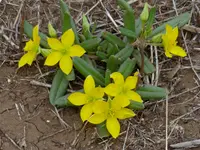
Use Gravel Mulch

Apply a 1–2 cm layer of coarse grit or small gravel around the crown to keep the neck of the plant dry, reduce splash onto leaves, and provide better drainage at the soil surface.

Timed Deadheading Routine

Remove spent flowers and developing seed capsules weekly using clean scissors so the plant diverts energy into continuous blooming instead of seed production.

Controlled Self‑Seeding

If you want a light self‑sown colony, allow only a few seedheads to mature and drop in the warmest, sunniest part of the bed, then thin seedlings aggressively so remaining plants have space and strong structure.

Cool-Season Protection

In regions with cool, wet winters, lift plants from heavy soil into shallow pots or trays of gritty mix in fall and overwinter them in a bright, frost‑free spot, then replant once soil has warmed to support more reliable success when growing flameflower.

Common Pests and Diseases

Aphids

This pest feeds on young, succulent shoots and flower stalks, sucking sap and causing distorted growth and sticky honeydew on leaves and stems.

Solution

Rinse plants with a firm stream of water to dislodge colonies, then spot-treat remaining clusters with insecticidal soap or a light horticultural oil, repeating weekly until populations collapse. Limit high-nitrogen fertiliser, which encourages soft, aphid-prone growth, and remove heavily infested shoot tips where needed.

Spider mites

These insects thrive on Talinum foliage in hot, dry conditions, causing fine stippling, dull leaves, and delicate webbing between stems and leaf undersides.

Solution

Increase humidity around the plant and hose down foliage, paying special attention to leaf undersides to physically remove mites. If populations persist, use repeated applications of insecticidal soap or a refined neem oil, and reduce heat and drought stress to make long-term control easier.

Mealybugs

This pest appears as white, cottony clusters in stem joints and along fleshy stems, sucking sap and leading to wilted, weakened plants and sooty mould on honeydew deposits.

Solution

Isolate affected plants and wipe visible mealybugs with cotton swabs dipped in isopropyl alcohol, then follow with insecticidal soap on hidden areas. Inspect soil and container edges, repot into fresh mix if the infestation is heavy, and avoid overfertilising, which can promote soft tissue attractive to mealybugs.

Leaf spot

This disease causes small, water-soaked lesions that expand into brown or tan spots on the succulent leaves, sometimes with a yellow halo and premature leaf drop in humid weather.

Solution

Remove and discard affected leaves and avoid overhead watering so foliage stays dry, especially in the evening. Improve spacing and airflow, and if spotting spreads, apply a copper-based or other labelled ornamental fungicide, rotating products as directed and focusing on new growth.

Basal stem rot

This disease starts at the soil line where succulent stems meet the substrate, leading to soft, dark, collapsing tissue and sudden wilting, especially in poorly drained or chronically wet media.

Solution

Discard severely affected plants, as internal tissue is usually extensively damaged, and do not reuse contaminated soil. For remaining healthy plants, use a sharply draining, sandy mix, water only when the top 2–3 cm are dry, keep containers out of standing water, and, if problems are recurrent, consider a preventative drench with a labelled soil fungicide for Talinum caffrum care in high-risk, wet conditions.

Interesting Facts

Geophyte with tuberous roots

This species forms underground, tuber-like roots that allow it to survive dry or cool periods by storing water and nutrients, then resprout when conditions improve.

Evening-opening flowers

Its small star-shaped flowers typically open in the warmer part of the day toward late afternoon, an adaptation often linked to pollinators that are active in the evening light.

Granite outcrop specialist

In its native range in southern Africa, this plant often grows in shallow soil pockets on rocky or granite outcrops, tolerating high heat and rapid surface drying that many other species cannot handle.

Botan icon

Did you know?

In parts of southern Africa, this species is considered an attractive minor rock-garden plant because its compact tuberous habit and drought tolerance make it one of the few flowering species that can reliably persist for years in very shallow, rocky substrates under hot conditions.

FAQs about flameflower

Lack of flowers usually comes from insufficient light, excess nitrogen fertilizer, or the plant being too young. Provide strong sun, avoid high-nitrogen feeds, and allow it to mature before expecting reliable blooming.

Grow Healthy Plants with Botan Care

Keep your plants happy and healthy with plant identification, disease detection, and easy care guidance.


Botan plant care app — identify plants on mobile

Explore More Plants