Echeveria bifida Care

Echeveria bifida

About Echeveria bifida

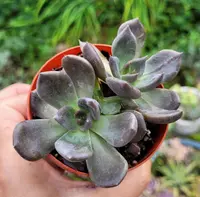
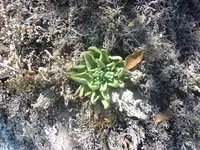
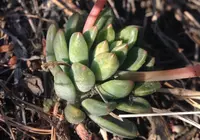
Echeveria bifida is a small, compact succulent from arid regions of Mexico, grown mainly for its sculptural rosettes and clean, architectural look. Leaves are typically thick, smooth, and slightly tapered, often forming tight clumps over time.

This species grows slowly and stays relatively low, which makes it suitable for containers, rock gardens, and windowsills. Its main appeal is the combination of drought tolerance and attractive form.

Because it stores water in its leaves, it copes well with occasional neglect, but it dislikes prolonged cold and wet conditions. Those learning how to care for Echeveria bifida should focus on bright light, infrequent watering, and sharply draining soil.

Main Plant Requirements

Care Difficulty

Easy Care

Light Preference

Full Sun

Water Requirements

Low Water

Temperature Preference

Tropical / Frost Sensitive

Hardiness Zone

10–11

Soil Texture

Sandy, Loamy, Rocky

Soil pH

Slightly acidic (6.5–7.0), Neutral (7.0)

Soil Drainage

Well-drained

Fertilization

Minimal (feed rarely)

Get Personalized Care Plan

Scan your plant to receive care tips personalized for your specific plant

Available on iOS and Android

How to Care for the Echeveria bifida

This succulent prefers bright conditions that mimic its native sunny habitat for compact, colorful growth.

  • Provide 6–8 hours of bright light daily, with morning sun and light afternoon shade, especially in hot, dry climates to prevent leaf scorch.
  • Outdoors, place Echeveria bifida where it receives direct sun until midday, then filtered or dappled light; indoors, use a south or west window with sheer curtain if rays are harsh.
  • Watch for pale, stretched rosettes as a sign of insufficient light and brown, crispy patches as a sign of excessive intense sun, adjusting exposure seasonally.

Watering should favor deep, infrequent soakings that fully dry out between events to protect this succulent’s roots.

  • Allow the top 3–5 cm of soil to dry fully before watering; in warm active growth, this may mean watering every 7–14 days, but always confirm by touch, not by calendar.
  • Use sharply draining soil and a pot or bed that sheds excess water quickly so moisture does not linger around the crown or roots, which encourages rot.
  • Reduce watering in cooler months when growth slows; wrinkling, soft leaves indicate thirst, while mushy, translucent leaves and a sour smell point to overwatering in Echeveria bifida.

Stable, mild to warm temperatures support strong growth and minimize stress for this rosette-forming succulent.

  • Aim for 65–80°F (18–27°C) for best growth, with slightly cooler nights; brief dips outside this range are tolerated if the soil is dry and airflow is good.
  • Protect from frost, as tissue damage often starts around 32°F (0°C); long exposure below 30°F (-1°C) can kill plants, especially young rosettes.
  • In hot spells above 90°F (32°C), offer afternoon shade and increased airflow; in cooler seasons, keep plants dry and sheltered from cold winds to safely overwinter.

This succulent prefers dry air and stays healthy in typical indoor humidity.

  • Aim for 30–50% humidity, avoiding persistently high levels that keep leaves damp.
  • Dry indoor air is usually safe, but prolonged humidity above 60% increases rot risk.
  • Watch for soft, mushy leaves or black leaf bases as signs of excess humidity, and increase airflow instead of misting.

Use a very fast-draining, mineral-heavy mix to prevent root and stem rot in Echeveria bifida.

  • Choose sandy or gritty soil with a loose, crumbly structure that does not compact after watering.
  • Blend roughly 50–70% inorganic material such as pumice, coarse perlite, or 3–5 mm grit with 30–50% cactus potting mix.
  • Keep pH slightly acidic to neutral, around 6.0–7.0, which suits most succulent mixes out of the bag.
  • Avoid peat-heavy, fine-textured, or water-retentive mixes that stay wet longer than 2–3 days after watering.

This species is well suited to container growing when excess moisture is strictly controlled.

  • Select a shallow but wide pot that matches the shallow root system and keeps the rosette above the rim for airflow.
  • Use unglazed terracotta if extra evaporation is needed in humid or cool climates to reduce moisture around the roots.
  • Raise the pot on feet or a stand so drainage holes stay clear and water cannot pool under the container.

Nutrient needs are low, but light feeding supports compact, healthy growth in Echeveria bifida.

  • Use a balanced cactus or succulent fertilizer (around 10-10-10 or 5-5-5) diluted to 25–50% strength.
  • Feed every 4–6 weeks during the active growing season in spring and summer only.
  • Avoid compost-rich or heavy organic mixes that stay wet and may rot roots.
  • Stop feeding in fall and winter, when growth slows and the plant rests.

Pruning needs are minimal and focus on hygiene and maintaining an open rosette on Echeveria bifida.

  • Best time is late winter to early spring, before strong new growth starts.
  • Use clean, sharp scissors or snips to remove dead, yellowing, or damaged leaves at the base.
  • Trim crowded or elongated stems to improve shape and light penetration into the rosette.
  • Discard diseased material and allow any cut surfaces on stems to dry before watering again.

Repotting is infrequent, but timely moves keep roots healthy and the rosette well proportioned.

  • Check for roots circling the pot, slow growth, or soil drying extremely fast as signs a move is needed.
  • Repot Echeveria bifida every 2–3 years in late spring, using a gritty cactus/succulent mix and a slightly larger pot.
  • Gently loosen the root ball, remove old, soggy soil, and trim dead roots with clean scissors.
  • After repotting, keep the plant dry for 3–5 days, then resume light watering to reduce root stress and rot risk.

New plants are most commonly produced from offsets and leaf cuttings, making expansion of Echeveria bifida collections straightforward.

  • Best season is spring to early summer, when warmth and light support active root formation.
  • Detach healthy offsets with a clean knife, let cut surfaces callus for 1–3 days, then place on dry, gritty mix.
  • For leaf cuttings, twist off whole leaves, allow to callus, then lay on the soil surface and mist lightly.
  • Provide bright, indirect light, 70–80°F warmth, and barely moist conditions until roots and small rosettes form.

Cold conditions require specific winter management, as this succulent does not tolerate hard frost.

  • Treat Echeveria bifida as frost sensitive; aim to keep temperatures above 40°F, ideally 50–60°F in winter.
  • Move container plants indoors or into a cold greenhouse before nights drop near freezing.
  • Provide the brightest possible light indoors and reduce watering, letting soil dry almost completely between light sips.
  • Ensure pots and leaves stay dry in cold weather to limit rot and fungal problems during dormancy.

Care Tips

Controlled offsets removal

Remove and replant offsets only when they have at least 4–5 mature leaves and visible roots, and use a clean, sharp blade to separate them so the mother rosette keeps its compact form and energy balance.

Dry-leaf sanitation

Regularly slide off fully dried lower leaves from the stem with clean fingers to reduce hiding places for mealybugs and to keep the crown better ventilated, especially in humid or coastal climates.

Strategic pot selection

Use a wide, shallow, unglazed clay pot rather than a deep plastic one to keep the root zone drier and more stable, which helps prevent stem rot as the plant slowly elongates with age.

Winter light adjustment

In winter, move the pot to the brightest and coolest indoor spot available and rotate it 1/4 turn every 1–2 weeks to limit stretching and maintain a symmetrical rosette while caring for Echeveria bifida.

Preemptive pest checks

Inspect the tight leaf bases and underside of older leaves every 2–3 weeks with a hand lens and treat any early mealybug or scale activity using a cotton swab lightly moistened with alcohol before infestations spread into the center of the rosette.

Common Pests and Diseases

Mealybugs

This pest forms white, cotton-like clusters in leaf axils and on roots, sucking sap and weakening rosettes.

Solution

Isolate the plant, then dab visible insects with cotton swabs dipped in 70% isopropyl alcohol and rinse gently after a few minutes; repeat weekly until no new insects appear and consider a systemic insecticide labeled for succulents for severe or recurring infestations.

Vine mealybugs

These insects often colonize the crown and roots, causing stunted growth, yellowing, and poor response despite adequate light and water.

Solution

Unpot the plant, wash soil off the roots, remove all visible insects, and repot in fresh, well-draining mix; use a systemic insecticide drench according to label directions and monitor new growth closely for several weeks.

Aphids

These insects cluster on flower stalks and young leaves, distorting growth and leaving sticky honeydew that can attract sooty mold.

Solution

Rinse the plant thoroughly with a strong but controlled stream of water, then treat flower stalks and tender growth with insecticidal soap or a light horticultural oil, repeating every 5–7 days until populations are gone and avoiding applications in full sun to prevent leaf burn.

Edema

This disorder causes corky, blister-like spots on leaves when roots take up water faster than it can be used or evaporated, often after overwatering or sudden moisture changes.

Solution

Allow the soil to dry more thoroughly between waterings, use a very gritty succulent mix, and increase light and airflow so foliage dries quickly; damaged tissue will not heal, but new growth should appear normal once conditions stabilize, which is an important part of Echeveria bifida care instructions.

Fungal leaf spots

Symptoms include small brown, purple, or black lesions on leaves, sometimes with yellow halos, promoted by cool, humid conditions and water sitting on the rosette.

Solution

Remove and discard affected leaves, keep water off the foliage, and improve spacing and airflow; if spots continue to spread, apply a copper-based or other fungicide labeled for ornamental succulents, following label instructions and adjusting watering so the rosette dries quickly after any moisture exposure.

Interesting Facts

Narrow bifid leaves

This species is recognized by its unusually narrow, elongated leaves that appear slightly forked or notched at the tips, giving rise to the name bifida, meaning split in Latin.

Native Mexican habitat

It is naturally found in limited regions of northeastern Mexico, typically on rocky slopes and well-drained, mineral-rich soils where it experiences strong light and marked dry periods.

Compact rosette structure

The plant forms relatively low, open rosettes that stay compact, an adaptation that helps reduce water loss and protect the growth point in its arid native environment.

FAQs about Echeveria bifida

This species is naturally slow to moderate in growth. Slow growth becomes a concern when combined with pale leaves, stretching, or mushy roots, which often indicate low light, overwatering, compacted soil, or cold temperatures affecting overall vigor.

Grow Healthy Plants with Botan Care

Keep your plants happy and healthy with plant identification, disease detection, and easy care guidance.

Botan plant care app — identify plants on mobile

Explore More Plants