Encourage Compact Growth
Pinch back soft shoot tips in early spring to keep the plant low, dense, and better able to support its own flowering stems without staking.

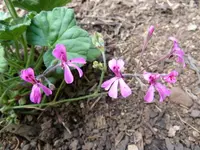
Kidney storksbill, Pelargonium reniforme, is a small, shrubby succulent geranium native to South Africa’s Eastern Cape. It forms a low clump of rounded, kidney-shaped leaves and slender stems topped with clusters of bright pink to magenta flowers. Growth is compact and often slightly woody at the base, making it suitable for containers and sunny indoor spots. This species comes from a dry, rocky habitat, so it prefers bright light, good air movement, and sharply drained soil. Its drought tolerance and slow, steady growth habit mean it can be long-lived, but consistent restraint with water is important when learning how to care for Kidney Storksbill.

Care Difficulty
Moderate Care

Light Preference
Full Sun

Water Requirements
Low Water

Temperature Preference
Tropical / Frost Sensitive

Hardiness Zone
10–11

Soil Texture
Sandy, Loamy, Rocky

Soil pH
Slightly acidic (6.5–7.0), Slightly alkaline (7.0–7.5)

Soil Drainage
Well-drained

Fertilization
Minimal (feed rarely)
Scan your plant to receive care tips personalized for your specific plant
Available on iOS and Android
This compact South African species prefers bright, direct light in dry, open conditions.
This species is drought-tolerant and needs careful, sparing watering to avoid root rot.
This pelargonium thrives in warm, dry conditions and dislikes cold, wet weather.
This species prefers dry indoor air and usually does not need special humidity management.
This geophytic pelargonium needs a sharply draining, airy mix that dries fast between waterings.
This species is well suited to container culture, especially in cooler or wet climates.
Pelargonium reniforme responds well to modest feeding during its active growing season in containers.
Pruning Pelargonium reniforme keeps plants compact, encourages branching, and maintains flowering performance.
Container-grown Pelargonium reniforme benefits from occasional repotting to refresh soil and manage root health.
Pelargonium reniforme is commonly propagated from stem cuttings and sometimes from seed for conservation or collection purposes.
Pelargonium reniforme is not frost hardy and needs protection in climates with freezing winters.

Plant Health Check
Not sure what's wrong with your plant? Check your plant's health inside the app.
This species has thick, kidney-shaped leaves covered with fine hairs that help reduce water loss and protect the leaf surface from intense sun in its native South African habitats.
It forms a swollen underground tuber that stores water and nutrients, allowing the plant to survive long dry periods and resprout when conditions improve.
In its natural range, it typically produces its pink to magenta flowers in late summer to autumn, aligning its reproductive phase with seasonal rainfall patterns in parts of the Eastern Cape.

In habitat, this species often grows scattered among rocks and sparse scrub on well-drained, sandy or stony soils, where its low, clumping habit and tuber help it withstand both browsing by animals and periodic drought.
Lack of flowering is usually linked to insufficient light, excessive nitrogen fertilizer, or old, unpruned stems. Provide bright conditions, use a balanced fertilizer at low strength, and lightly trim leggy growth to encourage fresh, flower-producing shoots.
Keep your plants happy and healthy with plant identification, disease detection, and easy care guidance.