

Edge Containment
Install a shallow plastic or metal edging strip 5–8 cm deep around beds or between pavers to keep creeping stems from rooting into lawns or unwanted areas while still allowing a full, trailing mat to develop.

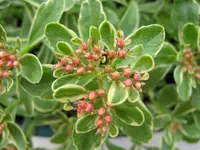
Phedimus spurius 'Tricolor', often sold as a sedum, is a low, mat-forming succulent grown mainly as a groundcover or trailing plant. It stays compact and spreads slowly, creating a dense carpet of foliage.
Leaves are small, fleshy, and edged in cream and soft pink, with color strongest in bright light and cooler temperatures. Star-shaped pink flowers may appear in clusters above the foliage during warm months.
This species comes from rocky, well-drained habitats in parts of Europe and Asia, so it tolerates poor soil and short dry spells. Its drought tolerance, moderate cold hardiness, and general toughness make it suitable for beginners learning how to care for Sedum.

Care Difficulty
Easy Care

Light Preference
Full Sun

Water Requirements
Low Water

Temperature Preference
Cold Hardy

Hardiness Zone
3–9

Soil Texture
Sandy, Loamy, Rocky

Soil pH
Acidic (5.5–6.5), Slightly acidic (6.5–7.0)

Soil Drainage
Well-drained

Fertilization
Minimal (feed rarely)
Scan your plant to receive care tips personalized for your specific plant
Available on iOS and Android
Phedimus spurius 'Tricolor' needs bright conditions to keep compact growth and strong leaf coloration.
This succulent groundcover prefers infrequent, deep watering and well-aerated soil.
This hardy perennial tolerates a wide temperature range but has clear preferences for active growth.
Humidity is rarely a concern for this drought-tolerant succulent.
This plant prefers lean, fast-draining soil that dries quickly between waterings.
This species is very suitable for container growing on patios, balconies, and rock-style planters.
This low-maintenance sedum needs only light feeding in nutrient-poor soils.
Pruning Phedimus spurius 'Tricolor' is mainly used to tidy growth and maintain a dense mat.
This groundcover is more often transplanted in the garden than kept long term in containers.
Multiplying Phedimus spurius 'Tricolor' is straightforward using vegetative methods.
Established plants are cold hardy and usually need minimal winter care in the ground.

Plant Health Check
Not sure what's wrong with your plant? Check your plant's health inside the app.
This cultivar shows stable tricolor variegation with green centers, cream to white margins, and pink tints, caused by areas of leaf tissue with reduced chlorophyll that expose underlying pigments.
Phedimus spurius 'Tricolor' forms dense, rooting mats that can survive typical winters in many temperate regions, with foliage often taking on stronger pink tones in cooler weather due to increased anthocyanin pigments.
Its small star-shaped pink flowers are produced in clustered heads that offer accessible nectar to bees and other pollinators, making this low plant a useful nectar source in rock gardens and green roofs.
This species forms a low, slowly spreading mat through short stolons and stem joints that root where they touch soil. It is not usually considered aggressive, but can fill small spaces over several seasons if conditions are favorable.
Keep your plants happy and healthy with plant identification, disease detection, and easy care guidance.

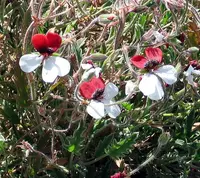
Tricolour Storksbill
Pelargonium tricolor

Echeveria
Echeveria 'Cubic Frost'
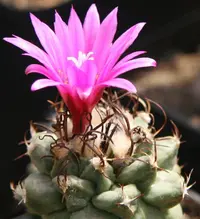
Turbinicarpus alonsoi
Turbinicarpus alonsoi
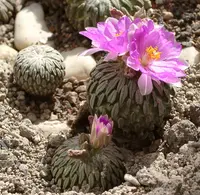
Pelecyphora aselliformis
Pelecyphora aselliformis
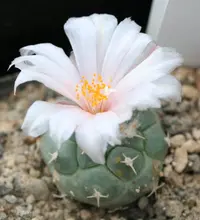
Turbinicarpus lophophoroides
Turbinicarpus lophophoroides
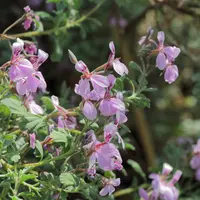
Greyleaf Storksbill
Pelargonium exstipulatum
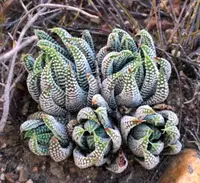
Renoster Fataloe
Tulista minor
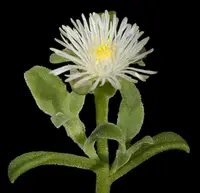
Coast Solfig
Mesembryanthemum aitonis