

Topdressing refresh
Every 2–3 years, gently scrape off the top 1–2 cm of spent mix and old gravel, then replace it with fresh gritty mix and clean top dressing to reduce salt buildup and keep the neck of the plant from burying too deeply.

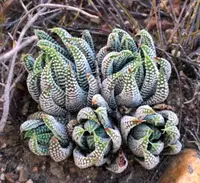
Renoster Fataloe (Tulista minor) is a compact, slow-growing succulent from the Western Cape region of South Africa. It forms tight rosettes of thick, triangular leaves with raised white tubercles that give the plant a textured, armored look.
The plant usually stays small and grows slowly, which suits windowsills, desks, and container collections. Its tough leaves and drought tolerance make it a relatively forgiving choice for those learning how to care for Renoster Fataloe.
Tulista minor prefers bright, indirect light, fast-draining gritty soil, and careful watering that lets the roots dry between waterings. Under stable indoor conditions it can live for many years with minimal disturbance.

Care Difficulty
Moderate Care

Light Preference
Partial Sun

Water Requirements
Low Water

Temperature Preference
Tropical / Frost Sensitive

Hardiness Zone
10–11

Soil Texture
Sandy, Loamy, Rocky

Soil pH
Slightly acidic (6.5–7.0), Neutral (7.0)

Soil Drainage
Well-drained

Fertilization
Minimal (feed rarely)
Scan your plant to receive care tips personalized for your specific plant
Available on iOS and Android
Tulista minor prefers bright, indirect light with some gentle direct sun each day.
Tulista minor prefers infrequent, deep watering with thorough drying between waterings.
This species prefers mild, dry conditions and dislikes both hard frost and extreme heat with high humidity.
This compact succulent prefers relatively dry air and does not need extra humidity.
Use a sharply draining, mineral-heavy mix that dries quickly between waterings.
This species is well suited to container growing.
Tulista minor is a slow-growing succulent that needs only light, careful feeding to stay healthy.
Tulista minor needs minimal pruning, mainly for cleanliness and to maintain a compact rosette.
This species prefers tight pots and infrequent disturbance, so repot only when clearly necessary.
Tulista minor is most reliably propagated by offsets rather than seeds, which are slower and less predictable.
This succulent is not frost hardy and needs protection in regions with cold winters.

Plant Health Check
Not sure what's wrong with your plant? Check your plant's health inside the app.
Tulista minor is naturally restricted to a small area of the Western Cape in South Africa, where it grows in shallow soil pockets on rocky sandstone slopes within fynbos, a fire-prone shrubland biome.
The leaves form low, compact rosettes covered in hard, pale tubercles that break up the plant’s outline and help it blend with surrounding grit and stone, offering visual camouflage from herbivores.
This species grows very slowly, often taking many years to increase in size or offset, but individual rosettes can persist for decades under stable conditions.

Tulista minor is considered one of the rarest members of its genus in the wild, with naturally fragmented and localized populations that are closely monitored and of conservation concern due to habitat disturbance and illegal collecting.
Yellowing leaves usually result from overwatering, poor drainage, or prolonged low light. Check that the pot drains freely, let the mix dry more between waterings, and remove standing water. Old, lower leaves naturally yellow and dry with age.
Keep your plants happy and healthy with plant identification, disease detection, and easy care guidance.

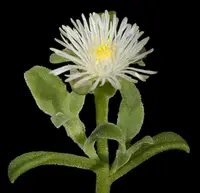
Coast Solfig
Mesembryanthemum aitonis

Echeveria
Echeveria 'Cubic Frost'
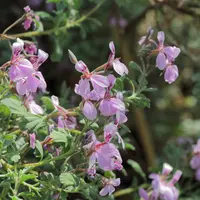
Greyleaf Storksbill
Pelargonium exstipulatum
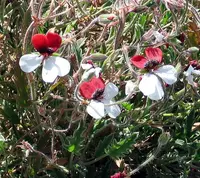
Tricolour Storksbill
Pelargonium tricolor
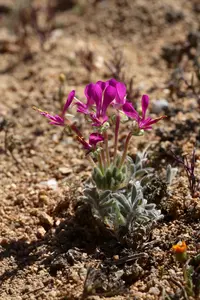
Neitjie Storksbill
Pelargonium incrassatum
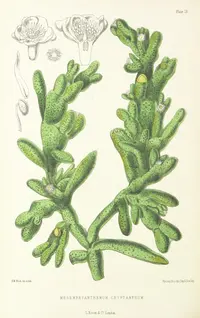
Babies' toes
Mesembryanthemum cryptanthum
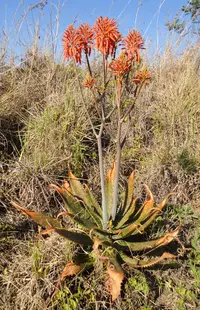
spotted aloe
Aloe greatheadii
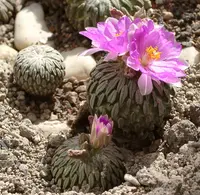
Pelecyphora aselliformis
Pelecyphora aselliformis