Neitjie Storksbill Care (Pelargonium incrassatum)

Neitjie Storksbill

About Neitjie Storksbill

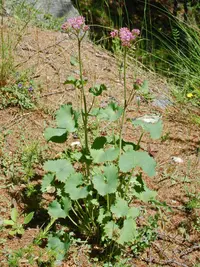
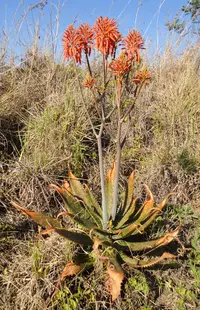
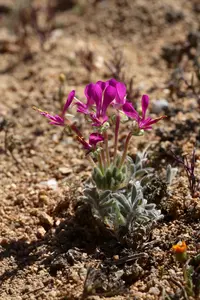
Neitjie storksbill, Pelargonium incrassatum, is a small, tuberous perennial from arid regions of South Africa. It stores water in thickened roots, which helps it survive dry periods. Plants form low rosettes of fleshy, often lobed leaves, followed by upright stems carrying showy pink to magenta flowers. The flowers are usually marked with darker lines or blotches, giving them a striking appearance for their size. This species is adapted to bright light, very well-drained, sandy or gritty soils, and seasonal dryness. It is not difficult to grow if its need for excellent drainage and a dry rest is respected, and learning how to care for Neitjie Storksbill mainly means avoiding overwatering.

Main Plant Requirements

Care Difficulty

Moderate Care

Light Preference

Full Sun

Water Requirements

Low Water

Temperature Preference

Tropical / Frost Sensitive

Hardiness Zone

10–11

Soil Texture

Sandy, Loamy, Rocky

Soil pH

Slightly acidic (6.5–7.0), Neutral (7.0)

Soil Drainage

Well-drained

Fertilization

Minimal (feed rarely)

Get Personalized Care Plan

Scan your plant to receive care tips personalized for your specific plant

Available on iOS and Android

How to Care for the Neitjie Storksbill

This South African geophyte thrives in bright, open conditions with strong but not extreme sun.

  • Provide 6–8 hours of direct sun daily, ideally with morning sun and light midday shade in very hot, dry climates to limit leaf scorch.
  • Allow light afternoon shade or filtered light in summer; Neitjie Storksbill grown in very deep shade develops weak, stretched stems and poor flowering.
  • In winter or cooler seasons, choose the sunniest spot available, as low light and short days reduce flowering and may lead to leggy growth.

This species prefers a dry-leaning regime that mimics its native winter-rainfall habitat.

  • Before watering, let the top 3–5 cm of soil dry; the surface should feel dry and the pot or root zone noticeably lighter when lifted or probed.
  • During active growth and flowering, water deeply then drain fully, but reduce frequency in summer dormancy, keeping soil just barely dry rather than completely parched for long periods.
  • Watch for yellowing, soft leaves or a sour soil smell as signs of overwatering, and for dull, drooping leaves and very light, dusty soil as signs of underwatering in Pelargonium incrassatum.

This plant prefers mild, dry air with cool nights and warm days, similar to Mediterranean-type climates.

  • Aim for 60–75°F (16–24°C) during active growth; stable temperatures in this range support steady leaf and flower development.
  • Protect from frost; brief dips to 32°F (0°C) may damage foliage, and prolonged exposure below 28°F (-2°C) can kill tubers or roots.
  • In hot spells above 90°F (32°C), provide light afternoon shade and good air movement to prevent heat stress, leaf scorch, and stalled flowering.

This species prefers relatively dry air and usually does well in typical indoor humidity.

  • Aim for 30–50% humidity; avoid placing Neitjie Storksbill in enclosed, constantly damp spaces.
  • Watch for limp, pale, or fungus-prone leaves as signs of excess humidity stress.
  • Increase air movement with a small fan rather than misting if the growing area feels very stagnant.

This species prefers a very free-draining, sandy to gritty mix that dries quickly after watering.

  • Use a mix of 40% cactus potting mix, 40% coarse sand or fine grit, and 20% pumice or perlite for Pelargonium incrassatum.
  • Ensure water runs through in seconds; if it lingers on the surface, add more grit or perlite to increase drainage and aeration.
  • Aim for slightly acidic to neutral pH, around 6.0–7.0, avoiding strongly alkaline or peat-heavy mixes that stay wet.
  • Avoid dense clay, fine compost-only mixes, or containers without drainage, which promote root rot and swollen, cracking stems.

This species is well suited to container growing, especially in regions with wet or cold winters.

  • Choose a pot that is wider than it is deep to accommodate the fleshy, spreading root system without excess wet substrate below.
  • Select unglazed terracotta to let excess moisture evaporate faster, reducing the risk of root and stem rot.
  • Use a pot only 2–4 in wider than the root ball so the gritty mix can dry evenly instead of staying wet in unused outer zones.

This semi-succulent pelargonium benefits from modest feeding in its active season but dislikes rich, constantly wet soil.

  • Use a balanced liquid fertilizer (around 10-10-10) at 1/4–1/2 strength every 3–4 weeks during spring–summer growth.
  • Alternatively, mix a small amount of slow-release granules into the top layer of a gritty, well-drained mix.
  • Avoid feeding during summer dormancy or cool winter rest, when Neitjie Storksbill growth slows or stops.
  • Flush the pot with plain water occasionally to prevent salt buildup in the root zone.

Pelargonium incrassatum responds well to light, targeted pruning to keep plants compact and flowering well.

  • Carry out most pruning at the end of flowering or just before spring growth resumes.
  • Remove dead, damaged, or crossing stems with clean, sharp scissors or hand pruners.
  • Shorten long, straggly shoots to encourage branching and a low, bushy shape.
  • Deadhead spent flower stalks at the base to improve appearance and may extend the blooming period.

Container-grown plants appreciate infrequent but careful repotting to refresh the gritty mix and manage the fleshy roots.

  • Repot every 2–3 years or when roots circle the pot, growth slows, or watering frequency increases noticeably.
  • Choose late winter to early spring, just before strong new growth, as the least stressful time to shift pots.
  • Move into a slightly larger container with excellent drainage and a mineral-rich, sandy or gritty mix.
  • Keep roots as intact as possible, water lightly after repotting, and shade from strong sun for 3–5 days to limit stress.

This species is commonly propagated from stem cuttings and seeds under warm, bright, and dryish conditions.

  • Take firm, non-flowering stem cuttings in late summer to early autumn, allowing cut ends to callus for 1–2 days.
  • Insert cuttings into a fast-draining, sandy mix and keep barely moist in bright light, around 65–75°F.
  • Sow fresh seed in late winter, covering lightly and providing bright light plus good air movement.
  • Avoid high humidity; moderate dryness around the base reduces rot and improves Pelargonium incrassatum plant care outcomes.

This pelargonium dislikes hard frost and needs protection in regions with freezing winters.

  • In USDA zones below 9, grow in containers and move indoors or into a cool, bright greenhouse before nights drop below 32°F.
  • Keep soil on the dry side in winter, allowing a rest period while the plant is semi-dormant.
  • Use a very free-draining mix and avoid cold, soggy conditions that can rot thickened roots.
  • In mild climates, a light, dry mulch around outdoor plants buffers soil temperature and surface moisture.

Care Tips

Encourage Compact Growth

Pinch back soft shoot tips in late spring to keep plants low and bushy, which helps prevent floppy stems and concentrates flowering on a sturdy framework.

Lift And Store Tubers

In cold or wet winter climates, lift the thickened roots after foliage dies back, dry them for a few days in the shade, then store in barely moist, airy substrate at 45–55°F to protect from rot and frost.

Rotate For Even Rosettes

Rotate pots by 90° every 7–10 days during active growth so rosettes and flowering stems develop evenly instead of leaning strongly toward the light source.

Use Clay Pots

Grow plants in unglazed clay pots to improve aeration around the fleshy roots and reduce the risk of rot in heavier mixes or humid conditions when growing Neitjie Storksbill.

Cool Resting Period

After flowering, allow a cool, dry rest with minimal water and good airflow for 8–12 weeks to mimic its natural dormancy, which improves bud set and vigor the following season.

Common Pests and Diseases

Geranium budworm

This pest is a caterpillar that tunnels into flower buds and young shoots, causing buds to fail, become deformed, or drop before opening.

Solution

Handpick caterpillars at dusk, discard damaged buds, and reduce nearby night-scented flowers that attract adult moths; if needed, apply a targeted biological product containing Bacillus thuringiensis (Bt) to buds and young growth, following label directions and avoiding application during peak pollinator activity.

Botrytis blight

This disease causes soft, water-soaked spots on leaves and petals that quickly develop fuzzy gray mold, especially in cool, humid conditions or on overcrowded plants.

Solution

Remove and discard all affected leaves and flowers, avoid overhead watering, space plants for good airflow, and keep foliage dry; in persistent cases, use a labeled fungicide for ornamental geraniums and rotate sprays to prevent resistance.

Rust

This disease produces small yellow spots on upper leaf surfaces and rusty-orange pustules on the undersides, leading to premature leaf drop in stressed plants.

Solution

Promptly remove and dispose of infected leaves, avoid splashing water on foliage, and improve spacing and airflow; if the problem continues, apply a rust-labeled fungicide and maintain a drier leaf surface, which is essential for good Pelargonium incrassatum care.

Mealybugs

These insects appear as white, cottony clusters in leaf axils, on stems, and sometimes on roots, feeding on sap and causing stunted growth and sticky honeydew deposits.

Solution

Isolate the plant, dab visible insects with cotton swabs dipped in 70% isopropyl alcohol, then rinse the plant with lukewarm water; for larger infestations, use repeated applications of insecticidal soap or a horticultural oil, ensuring thorough coverage of hidden crevices.

Aphids

These insects cluster on tender shoot tips and flower stalks, sucking plant sap and causing distorted new growth, sticky honeydew, and potential sooty mold on leaves.

Solution

Wash colonies off with a firm stream of water, pinch back heavily infested soft growth, and encourage ventilation; if needed, apply insecticidal soap or a light horticultural oil to all soft tissues, repeating at 5–7 day intervals until populations decline.

Interesting Facts

Succulent desert tuber

This species develops a swollen underground tuber that stores water, allowing it to survive long dry periods in the winter-rainfall regions of South Africa and Namibia.

Night-scented flowers

The pale, long-tubed flowers open mainly in the evening and release a noticeable scent at night, which is thought to attract nocturnal moth pollinators in its native habitat.

Variable leaf forms

Individuals can show quite variable foliage, from more rounded to deeply lobed leaves, but all tend to be fleshy and often covered with fine hairs that reduce water loss in arid conditions.

Botan icon

Did you know?

In habitat, this species often retreats almost completely underground during the hottest, driest months, with only the tuber remaining alive below the soil surface, then resprouts foliage and flowers quickly once cool-season rains return.

FAQs about Neitjie Storksbill

This species can be grown indoors in bright, cool conditions, but it generally performs better outdoors in mild, dry climates. Indoors, provide strong light, excellent drainage, and a dry rest in summer for reliable flowering and compact growth.

Grow Healthy Plants with Botan Care

Keep your plants happy and healthy with plant identification, disease detection, and easy care guidance.

Botan plant care app — identify plants on mobile

Explore More Plants