Coast Solfig Care (Mesembryanthemum aitonis)

Coast Solfig

About Coast Solfig

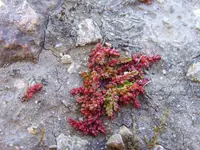
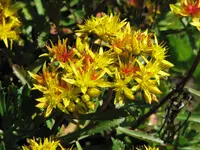
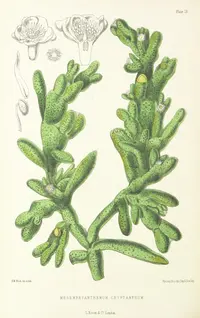
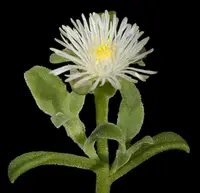
Coast Solfig, Mesembryanthemum aitonis, is a compact, mat-forming succulent from coastal regions of South Africa. It is adapted to dry, windy, and salty environments. The plant forms low cushions of fleshy, often glistening leaves, and produces small, daisy-like flowers that open in bright light. Its growth habit makes it suitable for rock gardens, coastal landscapes, and containers in dry, sunny spots. This species is generally undemanding but needs sharp drainage and minimal watering, so overwatering is the main risk. Once the basics of how to care for Coast Solfig are understood, it is a relatively straightforward plant for beginners to manage.

Main Plant Requirements

Care Difficulty

Moderate Care

Light Preference

Full Sun

Water Requirements

Low Water

Temperature Preference

Tropical / Frost Sensitive

Hardiness Zone

10–11

Soil Texture

Sandy, Rocky, Loamy

Soil pH

Slightly acidic (6.5–7.0), Slightly alkaline (7.0–7.5)

Soil Drainage

Well-drained

Fertilization

Minimal (feed rarely)

Get Personalized Care Plan

Scan your plant to receive care tips personalized for your specific plant

Available on iOS and Android

How to Care for the Coast Solfig

This coastal succulent thrives in strong light and performs best with direct sun exposure.

  • Provide 6–8 hours of direct sun daily; full sun suits most climates, with morning and midday sun ideal in cooler coastal areas.
  • In hotter inland sites, give Coast Solfig light afternoon shade to prevent leaf scorch and bleaching, especially during heatwaves above 95°F (35°C).
  • In winter, choose the brightest exposed spot; too little sun causes stretched, weak growth and fewer flowers, while sudden intense sun after shade can burn tissues.

This species is highly drought-tolerant and prefers infrequent, deep watering in fast-draining soil.

  • Allow the top 3–5 cm of soil to dry completely before watering; in sandy coastal ground this may mean watering every 2–4 weeks in summer and far less in cool seasons.
  • Use sharply draining, gritty soil or rocky slopes so water runs off quickly; standing water or heavy clay greatly increases root-rot risk for Mesembryanthemum aitonis.
  • Watch foliage for cues: shriveling, thinner leaves indicate it is time to water, while soft, translucent, or yellowing leaves suggest overwatering and should prompt longer drying periods.

This succulent favors mild, dry conditions and dislikes hard frost or extreme humidity.

  • Aim for active growth around 65–80°F (18–27°C); flowering and compact habit are strongest under bright sun with these moderate temperatures.
  • Protect plants when forecasts drop near 30–32°F (-1–0°C); brief light frost may be survived, but repeated or hard freezes can kill stems and roots.
  • In hot spells above 90–95°F (32–35°C), heat tolerance is good if soil drains rapidly; provide airflow and, in very exposed inland spots, slight afternoon shade to reduce stress.

This coastal succulent prefers dry air and does not need added humidity.

  • Aim for 30–50% relative humidity, typical of most heated or air-conditioned homes.
  • Coast Solfig tolerates very dry indoor air; problems usually come from excess moisture rather than low humidity.
  • Watch for soft, translucent leaves or rot at the base, which indicate too much humidity or poor air movement, and improve ventilation instead of misting.

Mesembryanthemum aitonis needs very fast-draining, mineral-rich soil to prevent root rot.

  • Use a gritty mix such as 50–60% coarse sand or fine gravel with the rest cactus mix or lean potting soil.
  • Ensure sharp drainage; water should run through the pot within seconds and not leave the mix waterlogged.
  • Keep pH slightly acidic to neutral, around 6.0–7.2, which supports nutrient uptake without encouraging rot organisms.
  • Avoid heavy, clay-rich, peat-heavy, or compacted substrates and add extra perlite or pumice to improve aeration where needed.

This species is well suited to container growing, especially in dry, sunny locations.

  • Choose a wide, shallow pot to accommodate its spreading habit while preventing excess wet depth around the roots.
  • Select unglazed terracotta when possible, as it allows faster evaporation and helps keep the mix dry between waterings.
  • Elevate the container slightly on pot feet or blocks so drainage holes stay clear and runoff leaves quickly after rain or watering.

Mesembryanthemum aitonis needs only light feeding in containers, and usually none in poor, sandy garden soils.

  • Use a very dilute balanced liquid fertilizer (around 1/4 strength) or a low-dose slow-release product for potted plants.
  • Feed once every 4–6 weeks during the main growing season, typically spring to early summer, for Coast Solfig indoor care.
  • Avoid fertilizing in fall and winter, when growth slows or plants enter dormancy, to prevent weak, etiolated growth.
  • Always water lightly before applying fertilizer to reduce root burn risk and maintain stable substrate moisture.

Mesembryanthemum aitonis responds well to light pruning that maintains a compact, flowering mat.

  • Carry out pruning after the main flowering flush, usually late spring to summer, to avoid removing developing buds.
  • Trim back leggy, sprawling, or wind-damaged stems with sharp, clean scissors or small pruners.
  • Pinch or cut just above a healthy node to encourage branching and denser growth.
  • Remove any dead or diseased segments promptly to improve airflow and reduce fungal problems.

This shallow-rooted succulent prefers minimal disturbance, so repotting or transplanting should be infrequent and gentle.

  • Check for roots circling the pot, rapid drying of the substrate, or stalled growth as signs repotting is needed, usually every 2–3 years in containers.
  • Plan transplanting or repotting for late spring, once temperatures are stable and the risk of cold snaps is low.
  • Use a slightly larger, shallow container with very free-draining, gritty soil, handling the brittle stems and fine roots carefully.
  • Water lightly after moving the plant, then allow the mix to dry almost completely to limit root stress and rot risk.

Mesembryanthemum aitonis is commonly propagated from short stem cuttings or seeds under warm, bright conditions.

  • Take 5–8 cm non-flowering stem cuttings in late spring or early summer, then air-dry the cut ends for 1–2 days to callus.
  • Insert cuttings into a gritty, barely moist succulent mix and keep in bright, indirect light until rooted.
  • Sow seeds on the surface of well-draining soil in spring, pressing lightly without burying deeply.
  • Maintain temperatures around 65–75°F with good air movement to reduce damping-off and improve rooting or germination success.

This coastal succulent is only mildly frost tolerant and benefits from simple winter precautions in colder climates.

  • In mild, frost-free regions, it usually overwinters outdoors without additional protection in very well-drained soil.
  • Where light frosts occur, add a thin layer of gritty mulch around the root zone to improve drainage and insulate slightly.
  • Move container plants under cover or indoors before temperatures drop below about 32°F, providing bright light and sparse watering.
  • Keep the soil almost dry in winter to avoid root rot, as growth is slow and water demand is low.

Care Tips

Encourage Compact Form

Rotate containers 90° every 1–2 weeks during active growth so all sides receive similar light, which keeps the plant low, compact, and prevents it from stretching toward a single direction.

Controlled Spreading

Plant at the edge of raised beds or rock crevices where stems can trail down; if growth becomes too dense, thin entire stems rather than just trimming tips to maintain airflow and reduce rot risk at the crown.

Salt And Wind Tolerance

In coastal areas, site plants where they receive good air movement but are slightly shielded from the strongest onshore winds, and periodically hose off heavy salt spray to prevent leaf spotting and stress.

Targeted Pest Checks

Inspect stem joints and the underside of fleshy leaves every 2–3 weeks for aphids or mealybugs, and if found, remove them promptly with a cotton swab dipped in isopropyl alcohol before populations build up.

Seasonal Container Management

For container plants, lift the pot slightly off solid surfaces with pot feet or bricks in wet seasons so drainage holes stay clear and the root zone dries reliably, which is especially important when growing Coast Solfig in regions with seasonal rain.

Common Pests and Diseases

Aphids

These insects feed on tender shoots and flower stalks, causing distortion and sticky honeydew that can attract sooty mold. Symptoms include curling growth and clusters of soft-bodied insects on new stems and buds.

Solution

Rinse colonies off with a firm stream of water and repeat every few days until numbers drop. For persistent infestations on Coast Solfig, apply insecticidal soap or a light horticultural oil in the early morning, coating stems and leaf bases while avoiding treatment during strong sun or high heat.

Mealybugs

This pest appears as white, cottony masses lodged between leaf pairs and along stems, where it sucks sap and weakens the plant. Symptoms include stunted growth, yellowing patches, and sticky residue.

Solution

Isolate affected plants and dab visible mealybugs with cotton swabs dipped in 70% isopropyl alcohol, then wipe leaf bases and stems to remove egg masses. For larger populations, use repeated applications of insecticidal soap or a systemic insecticide labeled for succulents, ensuring the plant dries quickly after treatment to prevent excess moisture around the leaves.

Spider mites

These pests thrive in hot, dry conditions and feed on the succulent leaves, causing fine speckling and dull, dusty-looking foliage. Symptoms include tiny webbing between leaf pairs and along thin stems.

Solution

Increase humidity slightly around the plant without wetting the foliage for long periods, then rinse leaves and stems thoroughly under lukewarm water to wash off mites. Follow with regular monitoring and, if needed, apply a miticidal soap or neem-based spray to both upper and lower leaf surfaces, repeating as directed until new growth appears clean.

Fungal leaf spots

This disease develops under prolonged surface moisture, leading to small brown, purple, or black lesions on the fleshy leaves that may coalesce and scar tissue. Symptoms include sunken spots that can cause localized collapse of the succulent leaf tissue.

Solution

Remove and discard affected leaves, then improve air movement and reduce overhead watering so leaf surfaces dry quickly. If new spots continue to form, apply a sulfur or copper-based fungicide labeled for ornamentals at low concentration, and keep the plant in a bright, well-ventilated location to support recovery while following Mesembryanthemum aitonis care guidelines.

Basal stem and crown rot

This disease occurs when the base of the stems stays wet, leading to soft, dark, collapsing tissue at the crown where stems meet the soil. Symptoms include sudden wilting and plant sections detaching easily from a mushy base.

Solution

Promptly cut away affected, mushy tissue back to firm, healthy stems and discard all heavily rotted parts and wet debris. Replant healthy segments in fresh, sharply draining sandy mix, switch to shallow watering with thorough drying between waterings, and if the problem recurs in outdoor plantings, improve drainage with raised beds or gravel and avoid summer overwatering to support long-term Mesembryanthemum aitonis plant care.

Interesting Facts

Softly succulent leaves

This coastal species forms low, fleshy rosettes with soft, water-storing leaves that are less rigid and spiny than many other ice plants, helping it cope with salt-laden winds and periodic drought along rocky shores.

Cliff and dune specialist

In its native range around the western Mediterranean, it typically grows on sea cliffs, rocky ledges, and sandy coastal slopes, where it helps stabilize shallow soils but does not usually form the dense, smothering mats seen in some invasive ice plant relatives.

Sun-triggered flowering

Its starry, daisy-like flowers open fully only in strong light, often tracking the sun during the brightest part of the day, a behavior that maximizes pollinator visits and protects reproductive parts during dull or wet conditions.

FAQs about Coast Solfig

Poor flowering usually comes from insufficient light, excess nitrogen fertilizer, or pruning at the wrong time. Ensure strong sun, avoid high-nitrogen feeds, and trim lightly only after flowering so buds formed on new growth are not removed.

Grow Healthy Plants with Botan Care

Keep your plants happy and healthy with plant identification, disease detection, and easy care guidance.

Botan plant care app — identify plants on mobile

Explore More Plants