Mossy Stonecrop Care (Crassula tillaea)

Also known as: moss pygmyweed
Mossy Stonecrop

About Mossy Stonecrop

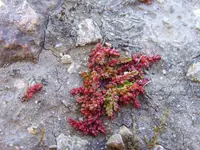
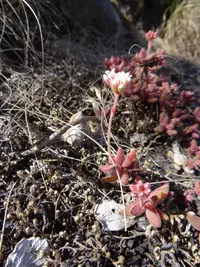
Mossy stonecrop (Crassula tillaea) is a tiny, mat-forming succulent that creates dense, moss-like carpets. It often turns reddish or bronze in strong light or dry conditions, giving it a distinctive seasonal color change.

This species is native to parts of Europe and North Africa and has naturalized in some temperate regions, where it grows in open, often disturbed, sandy or gravelly sites. Its small size, shallow roots, and drought tolerance make it generally easy to manage in rock gardens, troughs, and between paving stones.

Understanding how to care for Mossy Stonecrop starts with giving it plenty of light, sharply drained soil, and avoiding prolonged waterlogging, which it does not tolerate well.

Main Plant Requirements

Care Difficulty

Moderate Care

Light Preference

Full Sun

Water Requirements

Low Water

Temperature Preference

Warm Climate

Hardiness Zone

8–11

Soil Texture

Sandy, Loamy, Rocky

Soil pH

Slightly acidic (6.5–7.0), Neutral (7.0)

Soil Drainage

Well-drained

Fertilization

Minimal (feed rarely)

Get Personalized Care Plan

Scan your plant to receive care tips personalized for your specific plant

Available on iOS and Android

How to Care for the Mossy Stonecrop

This tiny annual succulent prefers bright exposure with some protection from intense midday sun.

  • Provide 4–6 hours of direct morning sun with light shade or filtered light in the afternoon, especially in hotter regions.
  • Mossy Stonecrop tolerates light, open shade, but stems stretch and color fades if it receives under 3–4 hours of direct sun.
  • In summer, avoid harsh west-facing exposures that cause leaf scorch; in winter, choose the sunniest spot available to maintain compact growth.

This shallow-rooted species needs sparing, occasional watering and excellent drainage.

  • Allow the top 2–3 cm of soil to dry completely before watering, then wet the soil thoroughly so excess drains quickly away.
  • In spring and early summer growth, watch Crassula tillaea for slight leaf softening or dull color as a cue to water; in cooler months, reduce frequency sharply.
  • Yellowing, translucent leaves or a sour smell in the soil indicate overwatering, while shriveling foliage and crispy tips signal underwatering in fast-drying sites.

This plant prefers mild conditions and does best without hard frost or extreme heat.

  • Ideal growth occurs around 60–75°F (16–24°C), where plants form tight, colorful mats and recover quickly after light stress.
  • Crassula tillaea tolerates brief drops to about 25–28°F (-4 to -2°C), but repeated freezes or colder temperatures can kill foliage and roots.
  • In hotter areas, growth may slow above 90°F (32°C); combine light afternoon shade with slightly drier soil to limit heat stress and rot.

This small succulent prefers relatively dry air and rarely needs special humidity management.

  • Aim for 30–50% humidity, similar to typical indoor air, as higher levels increase rot risk for Mossy Stonecrop.
  • Dry air is tolerated well; wilting, soft foliage, or dark translucent patches usually signal excess humidity combined with poor air movement.
  • If air is very humid, improve airflow with a fan, space plants apart, and avoid crowding to keep leaf surfaces dry.

This species needs a sharply draining, mineral-rich substrate to prevent root and stem rot.

  • Use a sandy or gritty mix, such as 50–70% coarse sand or horticultural grit blended with 30–50% cactus mix or lean loam.
  • Ensure rapid drainage; water should pass through the pot in seconds and not leave the mix waterlogged or sticky.
  • Keep pH slightly acidic to neutral, around 6.0–7.0, which suits Crassula tillaea and most accompanying rock-garden species.
  • Avoid heavy clay, peat-dominant, or compacted mixes; improve aeration by adding extra pumice or fine gravel if the medium feels dense.

This species is suitable for shallow containers, rock trays, and troughs where its low, mat-forming habit can spread.

  • Choose wide, shallow pots so the surface area supports spreading growth while the thin root zone is not buried too deeply.
  • Select unglazed terracotta or similarly porous materials to help excess moisture evaporate quickly from the root zone.
  • Stabilize shallow containers on level surfaces or nest them in heavier outer pots to prevent tipping as the mat becomes denser at the edges.

Crassula tillaea is a low-nutrient succulent that benefits from light feeding in active growth only.

  • Use a balanced, low-dose liquid fertilizer (around 10-10-10 NPK) diluted to 25–50% strength for container plants.
  • Feed once every 4–6 weeks during spring and early summer, when growth is most active.
  • Skip fertilizer in fall and winter to avoid soft, weak growth and root stress.
  • In very lean, sandy outdoor soils, a thin layer of fine compost in spring can support healthy Mossy Stonecrop mats.

Crassula tillaea needs only light pruning to keep its low mat tidy and healthy.

  • Best timing is late spring or after the main growth flush, once plants have filled their area.
  • Shear or pinch back overgrown, leggy patches to maintain a dense, even carpeted look.
  • Gently remove dead, discolored, or damaged foliage to reduce disease risk and improve airflow.
  • Use small scissors or clean fingers, trimming just above healthy tissue to avoid tearing stems.

This small succulent groundcover is usually transplanted, not frequently repotted, due to its shallow root system.

  • Transplant in spring when soil is warming, avoiding peak summer heat for lower stress.
  • Move or divide patches when growth thins, becomes patchy, or when coverage is needed elsewhere.
  • For containers, repot only every 2–3 years or when roots circle the pot or growth noticeably slows.
  • Lift shallow mats with a thin soil layer, replant into gritty, free-draining substrate, and water lightly until established.

Crassula tillaea is commonly propagated to expand groundcover patches or refresh older plantings.

  • Division of small mats in spring is the most practical approach; replant segments into gritty, well-drained soil.
  • Soft stem pieces root in warm, bright, indirect light; keep the mix barely moist until anchored.
  • Seeds can be sown on the soil surface in spring; do not cover, as light helps germination.
  • Maintain gentle airflow and avoid overwatering to limit rot while new roots develop.

Crassula tillaea is relatively cold tolerant but benefits from basic winter care in colder regions.

  • Hardy to light frosts; extended freezes below about 20°F can damage foliage and roots.
  • Apply a thin gravel or grit mulch to improve drainage and insulate the shallow root zone.
  • Move containers under cover or indoors to a bright, cool, frost-free spot in harsh winter climates.
  • Keep soil almost dry in winter, watering just enough to prevent complete desiccation.

Care Tips

Gravel Edge Control

Use a 2–3 cm deep border of coarse gravel around beds or paths to keep this tiny plant from creeping into areas where it is not wanted and to make any self-sown seedlings easy to spot and remove.

Targeted Self-Seeding

Allow the plant to flower and set seed in one designated patch, then gently shake the dry stems over thin, sandy areas in late summer to encourage a low, even carpet where soil erosion or bare spots are a problem.

Low-Traffic Positioning

Site plants just outside the main footfall line on paths, between stepping stones, or at paver edges so they benefit from reflected heat but are not crushed by frequent direct foot traffic.

Winter Drainage Check

Before prolonged winter rain, rake away accumulated leaf litter and organic debris from around the mats so the fine stems do not sit in wet, decomposing material that can cause rot.

Shallow-Root Companioning

Combine this species only with other very shallow-rooted, slow-growing alpines or dwarf succulents so it is not quickly shaded out and so that caring for Mossy Stonecrop does not turn into constant replanting to replace smothered patches.

Common Pests and Diseases

Aphids

These insects feed on young, tender shoots and can cluster along stems and flower stalks of this low succulent. Symptoms include distorted growth and sticky honeydew on nearby stones or groundcover plants.

Solution

Rinse colonies off with a firm stream of water and repeat every few days until activity drops. In more persistent cases, treat the patches with a dilute insecticidal soap or neem oil spray during cool parts of the day, and reduce excess nitrogen fertilization that encourages soft, aphid‑prone growth when growing Mossy Stonecrop in richer soils or containers.

Mealybugs

These insects appear as small white cottony clusters tucked between stems or in dense mats of foliage. This pest can weaken plants over time and interfere with normal growth of the creeping carpet.

Solution

Isolate infested clumps if possible and dab visible insects with cotton swabs dipped in 70% isopropyl alcohol. Follow with a light application of insecticidal soap or neem oil, and thin overcrowded patches slightly to improve air circulation and make inspection easier.

Powdery mildew

This disease appears as a light white or gray powdery film on leaves and stems, especially where the plant grows densely and stays shaded. Symptoms include dull, stressed foliage and slowed spread of the mat.

Solution

Improve sun exposure and airflow by lightly thinning congested sections and avoiding overhead watering in the evening. Remove and discard the worst affected pieces and, if needed, use a sulfur or potassium bicarbonate fungicide labeled for ornamentals, applied in dry weather according to instructions.

Leaf spot

This disease causes small brown, red, or dark purple speckles that may merge into larger blotches on the tiny leaves. Symptoms include premature leaf drop and thinning in localized patches of the groundcover.

Solution

Remove and discard affected segments to reduce the source of infection, and avoid frequent light overhead watering that keeps foliage wet. Encourage faster drying with better spacing or gentle air movement, and if spots continue to spread, apply a targeted ornamental fungicide and monitor new growth closely.

Interesting Facts

Tiny annual succulent

Crassula tillaea is an extremely small, short-lived succulent annual that usually completes its entire life cycle within a single growing season in open, disturbed sandy or gravelly habitats.

Red spring coloration

Its foliage can turn bright red to orange-red in strong light and during spring, a pigmentation caused by increased anthocyanins, which protect the plant from high light and other stress.

Naturalized outside native range

Although native to parts of Europe and North Africa, this species has become naturalized in regions such as the western United States, often appearing in compacted soils along paths, roadsides, and disturbed urban sites.

FAQs about Mossy Stonecrop

This species behaves as a small annual succulent. It completes its life cycle in a single growing season, then dies after flowering and seed set. New plants usually appear from self-sown seed the following year.

Grow Healthy Plants with Botan Care

Keep your plants happy and healthy with plant identification, disease detection, and easy care guidance.

Botan plant care app — identify plants on mobile

Explore More Plants