

Rotate For Symmetry
Rotate the pot 90° every 2–3 weeks so the rosette stays compact and balanced instead of stretching toward a single light source.

Woolly rose, Echeveria 'Doris Taylor', is a small succulent prized for its compact rosettes covered in soft, silvery hairs. The fuzzy leaves give the plant a velvety look and help it tolerate bright light and short dry periods.
This hybrid echeveria does not occur in the wild but comes from cultivated breeding, combining traits of hardy, drought-tolerant Mexican species. It usually stays low and slowly forms clusters, making it suitable for pots and small arrangements.
Because it stores water in its leaves and dislikes wet roots, it is generally easy to grow in containers with sharp-draining soil. Those learning how to care for Woolly Rose mainly need to manage light and avoid overwatering.

Care Difficulty
Easy Care

Light Preference
Full Sun

Water Requirements
Low Water

Temperature Preference
Tropical / Frost Sensitive

Hardiness Zone
10–11

Soil Texture
Sandy, Loamy, Rocky

Soil pH
Slightly acidic (6.5–7.0), Neutral (7.0)

Soil Drainage
Well-drained

Fertilization
Minimal (feed rarely)
Scan your plant to receive care tips personalized for your specific plant
Available on iOS and Android
This succulent prefers bright, direct light but needs protection from extreme midday sun in hot climates.
Watering should be infrequent and based on soil dryness rather than a fixed schedule.
This species prefers warm, dry conditions and does poorly in prolonged cold or high humidity.
This succulent prefers dry household air and rarely needs extra humidity.
This species needs a very fast-draining, mineral-rich soil mix to protect its roots from rot.
This compact rosette succulent is very suitable for container growing.
Echeveria 'Doris Taylor' benefits from light feeding during active growth but is sensitive to excess nutrients.
Pruning Echeveria 'Doris Taylor' is mainly cosmetic and keeps the rosette clean and disease free.
Repotting is infrequent but helpful when the plant outgrows its container or soil breaks down.
Propagation of this succulent is common and keeps plant size and shape manageable over time.
Winter care for this succulent focuses on avoiding freezing temperatures and overly wet soil.

Plant Health Check
Not sure what's wrong with your plant? Check your plant's health inside the app.
This cultivar is a deliberate hybrid between Echeveria pulvinata and Echeveria setosa, combining dense hairs from both parents with a compact rosette form. Its intermediate traits make it a stable and widely propagated clone rather than a naturally variable species.
The soft, silvery fuzz on the leaves is formed by dense trichomes, which are tiny hairlike structures that reduce water loss and scatter intense light. In strong light these hairs create a matte, almost frosted look rather than the glossy surface seen in many other echeverias.
Despite its pale, woolly foliage, this plant produces relatively large, tubular flowers in vivid orange to yellow tones on tall stalks. The strong color contrast is especially valued by collectors who grow Echeveria 'Doris Taylor' for seasonal display in succulent arrangements.

This hybrid is considered one of the classic fuzzy echeverias in cultivation and has been used as a parent in further breeding, influencing the development of several later woolly-leaved ornamental hybrids prized in specialist succulent collections.
Lack of blooms often comes from insufficient light, excess nitrogen fertilizer, or no cool rest period. Ensure bright conditions, use a low-nitrogen fertilizer, and provide slightly cooler, drier conditions in winter to trigger flowering.
Keep your plants happy and healthy with plant identification, disease detection, and easy care guidance.

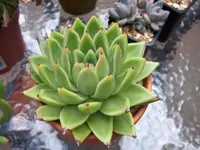 POPULAR
Lipstick
Echeveria agavoides
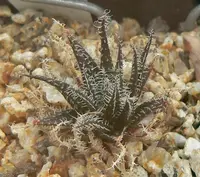
Aloe haworthioides
Aloe haworthioides
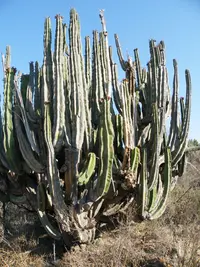
Isolatocereus dumortieri
Isolatocereus dumortieri

seaside pussypaws
Cistanthe maritima
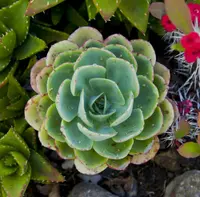 POPULAR
Mexican Snowball
Echeveria elegans
Rose-camphor Storksbill
Pelargonium englerianum
Crassula tomentosa var. glabrifolia
Crassula tomentosa var. glabrifolia
flameflower
Talinum portulacifolium