flameflower Care (Talinum portulacifolium)

flameflower

About flameflower

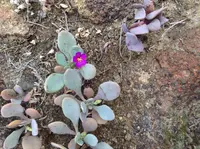
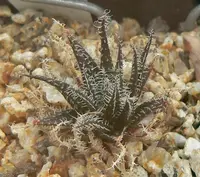
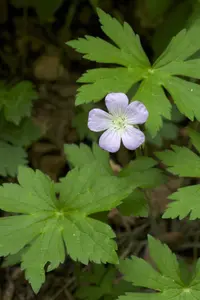
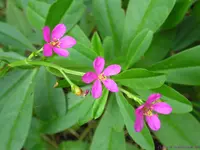
Talinum portulacifolium, often called flameflower, is a small, sun-loving perennial herb grown for its bright, starry blooms and neat clumping habit. Stems are fleshy, with narrow leaves and airy flower stalks that give the plant a light, delicate look.

This species is native to dry, rocky or sandy habitats in parts of Africa and Asia, where it copes well with heat and limited water. In gardens and containers it is generally easy to grow, as long as it receives plenty of light and well-drained soil. These traits make it a good choice for gardeners learning how to care for flameflower without complex routines.

Main Plant Requirements

Care Difficulty

Easy Care

Light Preference

Full Sun

Water Requirements

Low Water

Temperature Preference

Tropical / Frost Sensitive

Hardiness Zone

10–12

Soil Texture

Sandy, Loamy, Rocky

Soil pH

Acidic (5.5–6.5), Slightly acidic (6.5–7.0)

Soil Drainage

Well-drained

Fertilization

Minimal (feed rarely)

Get Personalized Care Plan

Scan your plant to receive care tips personalized for your specific plant

Available on iOS and Android

How to Care for the flameflower

Talinum portulacifolium thrives in bright, direct sun but can tolerate light shade in hot regions.

  • Provide 6–8 hours of direct sun daily, ideally strong morning sun with some light afternoon shade in very hot climates.
  • In regions with intense summer sun, use filtered light or partial shade during 12–4 pm to reduce leaf scorch risk for flameflower.
  • If stems become weak and stretched, the plant is not getting enough light; move it to a more open, sunnier position.

This drought-tolerant succulent prefers deep, infrequent watering rather than constant moisture.

  • Water only when the top 3–5 cm of soil are completely dry, then soak the root zone and allow excess water to drain away quickly.
  • During hot, active growth, expect to water more often; in cool or rainy periods, reduce watering sharply to avoid root rot.
  • Watch the plant: limp, yellowing, mushy stems suggest overwatering, while shriveling leaves and slow growth point to underwatering in Talinum portulacifolium.

This warm-season perennial prefers consistently warm conditions and reacts poorly to cold and frost.

  • Aim for daytime temperatures of 70–90°F (21–32°C) for strongest growth, with slightly cooler nights down to about 60°F (16°C).
  • Protect the plant from cold below 50°F (10°C); growth slows, and it can be damaged or killed by frost near 32°F (0°C).
  • In extreme heat above 95°F (35°C), growth may stall; provide afternoon shade and avoid heat-reflecting surfaces that can scorch foliage.

This drought-tolerant succulent tolerates low humidity and rarely needs special moisture control.

This species prefers very free-draining, sandy soil that mimics its native, rocky habitats.

  • Use a sandy or gritty mix, such as 50–60% coarse sand with the rest standard potting mix, to prevent waterlogging.
  • For container Talinum portulacifolium, mix in perlite or pumice to increase pore space and root aeration.
  • Aim for slightly acidic to neutral pH (6.0–7.0), avoiding strongly acidic or alkaline substrates that limit nutrient uptake.
  • Avoid dense clay or peat-heavy mixes that stay wet for long periods, as these promote root rot.

This species grows well in containers where drainage and root space are managed carefully.

  • Choose a wide, shallow pot to accommodate its fibrous, spreading roots and allow the surface to dry quickly between waterings.
  • Use a pot material like unglazed terracotta if faster moisture loss is desired in humid or rainy climates.
  • Raise the container on pot feet or bricks outdoors so runoff drains freely and does not pool under the base, especially after heavy rain.

Talinum portulacifolium grows well in lean soils but responds to light feeding during its active warm-season growth.

  • Use a dilute balanced liquid fertilizer (for example 10-10-10) at 1/2 strength every 4–6 weeks in spring and summer.
  • Alternatively, apply a thin layer of compost or a low-dose slow-release fertilizer at the start of the growing season.
  • Avoid high-nitrogen products, which cause weak, lush growth at the expense of flowers on flameflower.
  • Stop feeding in fall and winter to allow the plant to rest and prevent soft, cold-sensitive growth.

Pruning Talinum portulacifolium is mainly light maintenance to keep plants compact and flowering well.

  • In late spring or early summer, pinch or trim soft tips to encourage bushier growth and more flowering stems.
  • Remove dead, damaged, or pest-infested shoots promptly using clean, sharp scissors or hand pruners.
  • Thin out crowded or sprawling stems to improve air flow and reduce the risk of fungal leaf spots.
  • Deadhead spent flower stalks to tidy the plant and direct energy into new shoots rather than seed production.

This species is often grown in the ground, but container plants benefit from occasional transplanting to maintain vigor.

  • Check for roots circling the pot drainage holes, compacted soil, or decline in growth as signs it needs a larger container.
  • Transplant in spring, choosing a pot only 2–3 cm wider with a gritty, fast-draining mix to limit waterlogging stress.
  • Gently loosen the outer roots, keep the root ball mostly intact, and plant at the same depth as before.
  • Water lightly after transplanting, keep in bright but not harsh sun for 3–5 days, then return to full light once recovered.

Talinum portulacifolium is most commonly propagated from seed, with warm conditions speeding germination.

  • Sow fresh seeds in late spring to early summer on the surface of a gritty, well-drained mix and barely cover them.
  • Maintain temperatures around 70–80°F, with moderate moisture but no waterlogging, until seedlings emerge.
  • Provide bright, indirect light and good air circulation to reduce damping-off, a fungal disease that kills young seedlings.
  • Transplant seedlings carefully when they have 2–3 true leaves, handling by the leaves rather than the delicate stems.

This warm-season species is frost-sensitive and needs protection in regions with cold winters.

  • In areas below 30°F, grow Talinum portulacifolium in containers so plants can be moved indoors before the first frost.
  • Outdoors in mild climates, apply a light, dry mulch around the root zone to buffer short cool spells.
  • Keep indoor plants in the brightest possible spot with reduced watering, allowing the soil to dry more between waterings.
  • Avoid cold drafts and sudden temperature drops, which can damage succulent stems and cause tissue collapse.

Care Tips

Encourage Bushy Growth

Pinch back soft shoot tips every 3–4 weeks during active growth to promote branching, create a denser mound, and prolong the flowering period.

Self-Seeding Management

If you do not want unwanted seedlings, remove spent flower stalks before seed capsules dry and split, or place a shallow tray under pots to catch any dropped seed for controlled sowing.

Container Depth Choice

Use a wide but relatively shallow pot (15–20 cm deep) to suit the fibrous, spreading root system and reduce the risk of waterlogged lower soil layers.

Heatwave Protection

During extended heatwaves above 95°F, move containers to a spot with light afternoon shade or use a shade cloth to limit stress and prevent flower bud drop.

Overwintering Strategy

In cooler regions, take stem cuttings from the healthiest shoots 6–8 weeks before first frost and root them in a bright, protected spot so you can easily grow flameflower again next season from established young plants.

Common Pests and Diseases

Aphids

This pest feeds on tender shoots and flower stalks, sucking sap and causing distortion, sticky honeydew, and reduced blooming. Symptoms include curling young leaves and small green, yellow, or black insects clustered on stems and buds.

Solution

Rinse colonies off with a firm stream of water and pinch back heavily infested soft tips. For repeated outbreaks, spray the stems and undersides of leaves with insecticidal soap or a light horticultural oil, repeating every 5–7 days until no new aphids appear, and avoid heavy nitrogen fertilizing that encourages very soft growth.

Spider mites

These insects are tiny sap‑feeders that thrive in hot, dry conditions and can cause fine webbing, pale speckling, and a dull, dusty look to the foliage. Symptoms include slowed growth and leaves that yellow from the edges inward.

Solution

Increase humidity around the plant by grouping pots and occasionally misting the air, then wash foliage thoroughly, including leaf undersides, with lukewarm water. For persistent infestations, apply insecticidal soap or a miticide labeled for ornamental use, repeating treatments and monitoring closely during hot, dry spells, which is key for flameflower indoor care.

Leaf spot

This disease causes small, water‑soaked or dark spots on leaves that may enlarge, merge, and lead to premature leaf drop, especially in warm, humid conditions. Symptoms include irregular brown lesions often with a yellow halo.

Solution

Remove and discard affected leaves promptly and avoid overhead watering so foliage dries quickly. Improve spacing and airflow, irrigate at soil level, and if spots continue to spread, apply a copper‑based or other labeled ornamental fungicide according to package directions while keeping the soil surface free of fallen debris.

Powdery mildew

This disease appears as a white, powdery coating on leaves and stems, often starting on crowded or shaded parts of the plant. Symptoms include distorted new growth and reduced vigor when the infection is severe.

Solution

Thin or prune surrounding plants to increase light and airflow and water at the base to keep foliage dry. Remove heavily affected leaves and, if needed, use a sulfur or potassium bicarbonate fungicide approved for ornamentals, applying at the first sign of the white coating and repeating as label directions indicate.

Root‑knot nematodes

These pests are microscopic worms in the soil that invade roots, causing characteristic galls or swellings and leading to stunted growth and poor flowering. Symptoms include wilting in heat despite adequate watering and plants that fail to thrive in specific garden spots.

Solution

Pull and discard severely affected plants and avoid replanting in the same spot with other susceptible species; instead, rotate with resistant or non‑host plants. In garden beds, incorporate organic matter, solarize the soil where climate allows by covering moist soil with clear plastic for several weeks in the hottest part of the year, and consider growing Talinum in containers with fresh, high‑quality potting mix if nematodes are a recurring problem.

Interesting Facts

Rocky habitat specialist

This species is naturally adapted to dry, rocky slopes and lateritic soils in parts of India and Sri Lanka, where it anchors itself in shallow crevices that hold very little organic matter.

Ephemeral flowering pattern

The small pink to purple flowers open for only a short time during the day, often in response to bright light and favorable temperature, then quickly close and are replaced by new blooms over successive days.

Seed capsule strategy

Its capsule-like fruits dry and split open to release many tiny seeds, a dispersal strategy that allows the plant to rapidly colonize disturbed or open ground after rains.

FAQs about flameflower

Sparse or absent flowers usually result from insufficient light, nutrient-poor or overly rich soil, or stress after repotting. Check for root disturbance, avoid heavy pruning before flowering, and keep fertilization light so growth energy is not diverted from buds.

Grow Healthy Plants with Botan Care

Keep your plants happy and healthy with plant identification, disease detection, and easy care guidance.

Botan plant care app — identify plants on mobile

Explore More Plants