Canadian milkvetch Care (Astragalus canadensis)

Also known as: Canada milkvetch
Canadian milkvetch

About Canadian milkvetch

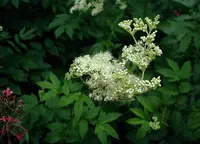
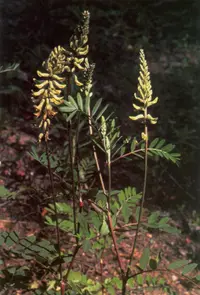
Canadian milkvetch (Astragalus canadensis) is a perennial herb in the legume family, native to prairies, open woods, and riverbanks across much of North America. It forms upright clumps with tall stems, many small leaflets, and elongated clusters of creamy white to pale yellow flowers. After flowering, it produces narrow seed pods that add seasonal interest and support wildlife. This species fixes nitrogen, which can improve soil fertility and help it adapt to moderately poor soils. It suits naturalistic plantings, meadows, and restoration projects more than formal beds. It is moderately easy to grow if given sun, consistent moisture, and well-drained soil, and basic knowledge of how to care for Canadian milkvetch improves long-term performance.

Main Plant Requirements

Care Difficulty

Moderate Care

Light Preference

Full Sun

Water Requirements

Moderate Water

Temperature Preference

Cold Hardy

Hardiness Zone

3–8

Soil Texture

Sandy, Loamy, Silty

Soil pH

Slightly acidic (6.5–7.0), Neutral (7.0)

Soil Drainage

Well-drained

Fertilization

Minimal (feed rarely)

Get Personalized Care Plan

Scan your plant to receive care tips personalized for your specific plant

Available on iOS and Android

How to Care for the Canadian milkvetch

This North American perennial thrives in open, bright sites with consistent sun exposure.

  • Provide 6–8 hours of direct sun daily; morning sun with light afternoon shade suits most sites, especially in hotter regions.
  • Canadian milkvetch tolerates light partial shade (3–4 hours sun), but flowering and vigor decline as shade increases.
  • In hot summers, protect from intense late-afternoon sun to reduce leaf scorch; in cooler climates, full sun all day promotes sturdy growth and abundant blooms.

This species prefers moderately dry conditions and is sensitive to prolonged wet soil.

  • Allow the top 3–5 cm of soil to dry between waterings; in the ground, water deeply but infrequently, focusing on dry spells longer than 7–10 days.
  • Use well-drained, sandy or loamy soil so water does not pool around roots; poor drainage greatly increases root rot risk in Astragalus canadensis.
  • In spring and early summer, watch for wilted, dull foliage as a sign of drought stress, and for yellowing, soft stems or a sour soil smell as signs of overwatering.

This hardy perennial tolerates a wide temperature range but grows best in moderate conditions.

  • Active growth is strongest around 65–80°F (18–27°C), with good performance in typical spring and early summer conditions.
  • Mature plants tolerate winter lows to about -30°F (-34°C) in the ground when soil is well drained and not waterlogged.
  • During hot spells above 90°F (32°C), flowering may slow and foliage can stress; mulching and slight afternoon shade help moderate root and air temperatures.

This species is adapted to open, dry habitats, so humidity is rarely a limiting factor for Canadian milkvetch.

  • Target 30–50% humidity, similar to typical indoor air, without special humidification.
  • Dry air is well tolerated; problems usually come from excess moisture at roots, not low humidity.
  • True humidity stress shows as persistent leaf edge browning combined with otherwise correct light, water, and soil conditions.

Astragalus canadensis prefers lean, well-drained mineral soils that never stay waterlogged.

  • Use a sandy or gravelly loam with low to moderate organic matter to mimic prairie or open meadow conditions.
  • Ensure fast drainage by mixing roughly 50–60% coarse sand or fine grit with 40–50% loam-based topsoil.
  • Aim for slightly acidic to neutral pH around 6.0–7.5, avoiding strongly acidic or saline substrates.
  • Improve aeration by avoiding heavy clay and peat-heavy mixes, which compact easily and increase root rot risk.

This species can be grown in containers, though performance is often better in open ground.

  • Choose a deep container to allow its taproot to extend downward without curling tightly at the base.
  • Use a heavy or weighted pot if exposed to wind, as tall flowering stems can make the container top-heavy.
  • Select a gritty, fast-draining mix in the pot to prevent perched water near the base where roots concentrate.

This native legume usually needs little feeding, but light fertilization can support growth on very poor soils.

  • Use a low-strength balanced NPK fertilizer at 1/4–1/2 label rate if foliage looks pale or growth is weak.
  • Apply once in late spring and once in mid-summer during active growth only.
  • Alternatively, top-dress with a thin layer of mature compost around, not touching, the crowns.
  • Avoid feeding in fall and winter dormancy to prevent soft, frost-tender growth in Canadian milkvetch.

Pruning needs for Astragalus canadensis are minimal and mainly focused on cleanliness and maintaining a tidy clump.

  • In late winter or very early spring, cut back last year’s dead stems to just above ground level.
  • During the growing season, remove dead, damaged, or diseased shoots with clean, sharp hand pruners.
  • Thin out congested stems lightly to improve air flow and reduce foliar disease risk.
  • Spent flower stalks may be trimmed after bloom if seed production is not desired.

This species is best grown as an in-ground perennial, with attention to gentle handling during any transplanting.

  • Transplant in early spring or early fall, when temperatures are mild and soil is workable.
  • Look for signs such as roots circling inside nursery pots or slow, stalled growth before moving plants.
  • Plant into a well-drained site at the same depth, spreading roots carefully to limit damage and stress.
  • Water thoroughly after transplanting, then keep soil lightly moist, not saturated, for 1–2 weeks to encourage recovery.

Propagation of Astragalus canadensis is mainly done from seed, which benefits from some pre-treatment.

  • Collect ripe seed pods in late summer, then dry and store seeds cool until sowing.
  • Scarify seeds lightly by nicking the coat or rubbing with sandpaper, then soak 12–24 hours to improve germination.
  • Sow in spring in a free-draining mix, barely covering the seed, and keep evenly moist at 65–75°F.
  • Provide bright light and good air circulation; transplant seedlings carefully once they form several true leaves.

This cold-hardy perennial usually needs little special winter care in typical temperate climates.

  • Tolerates frost and freezing once established, surviving in-ground winters in most growing regions.
  • After hard frost, allow stems to die back naturally, then cut them close to the ground if desired.
  • Apply a light mulch layer around, but not on top of, crowns to moderate soil temperature and prevent heaving.
  • Container plants in colder zones can be overwintered in an unheated garage or cold frame to protect roots.

Care Tips

Deep root establishment

During the first growing season, provide occasional deep soakings rather than frequent light watering to encourage a robust taproot that will help the plant tolerate future drought and poor soils.

Minimal competition zone

Keep a mulch-free ring of 10–15 cm around the crown and hand-weed regularly so that grasses and aggressive perennials do not outcompete the young plant for light and nutrients.

Targeted staking support

In windy or exposed sites, place a low, discreet stake and loosely tie the main stems with soft ties to prevent lodging and stem breakage while still allowing natural movement.

Seed pod management

If self-seeding is not desired, remove developing seed pods before they fully mature, but leave some pods on robust plants if you want to collect seed for future sowing.

Nitrogen-fixing protection

Avoid disturbing the root zone once established, as the nitrogen-fixing nodules are sensitive to damage, and use only light surface cultivation if needed when caring for Canadian milkvetch.

Common Pests and Diseases

Leaf spot fungi

This disease causes small brown to dark-purple spots on leaves that may merge, leading to premature yellowing and leaf drop. Symptoms include more severe damage in warm, wet periods or in dense stands with poor airflow.

Solution

Remove and discard heavily spotted leaves and any dense thatch around plant crowns, then improve spacing and air circulation in plantings. If wet weather persists and damage worsens, a labeled broad-spectrum fungicide for ornamental or forage legumes can be applied following local guidelines, focusing on protecting new foliage.

Powdery mildew

This disease appears as a white or gray powdery coating on upper leaf surfaces and stems, which can cause leaf distortion and reduced vigor. Symptoms include worse coverage in shaded, humid sites with low air movement.

Solution

Increase sun exposure where possible and thin surrounding vegetation to improve airflow, then remove the most heavily infected shoots. In persistent cases, apply a sulfur or potassium bicarbonate fungicide labeled for legumes, coating all leaf surfaces during dry, mild weather according to the product instructions.

Aphids

These insects cluster on young stems, leaf undersides, and flower spikes, sucking sap and causing leaf curling or sticky honeydew deposits. This pest can attract ants and promote the growth of sooty mold on honeydew-covered surfaces.

Solution

Spray stems and leaf undersides with a strong stream of water to knock insects off, repeating every few days during outbreaks, and encourage natural predators such as lady beetles by avoiding broad-spectrum insecticides. For heavier infestations, use an insecticidal soap or narrow-range horticultural oil labeled for legumes, applied in the early morning or evening to prevent leaf burn.

Seed weevils

These insects lay eggs in developing seed pods, and larvae feed inside the seeds, reducing viable seed production in wild or restoration plantings. This pest usually leaves foliage outwardly healthy while compromising seed quality and quantity.

Solution

Cut and destroy mature or drying seed heads if seed production is not required, which breaks the life cycle by removing larvae. In seed-increase or restoration fields, rotate planting locations, delay mowing until after adult weevils have emerged, and use targeted timing of any approved insect control only if monitoring shows repeated, high seed loss.

Interesting Facts

Nitrogen-fixing legume

This species forms root nodules with rhizobia bacteria that convert atmospheric nitrogen into plant-available forms, enriching poor soils and supporting nearby vegetation in prairie and riparian habitats.

Specialist pollinator relationships

Its pale cream flower spikes are primarily visited by long-tongued bees, including bumble bees, which are able to access the nectar in the deep, pea-like corollas and ensure effective cross-pollination.

Floodplain habitat specialist

Canadian milkvetch naturally occurs along riverbanks, moist prairies, and open floodplains, where it tolerates periodic flooding and shifting sediments better than many other native forbs.

Botan icon

Did you know?

Unlike many toxic Astragalus species, Canadian milkvetch is not known as a selenium accumulator or locoweed, and is generally considered non-problematic for grazing wildlife and livestock under normal rangeland conditions.

FAQs about Canadian milkvetch

Yes, this species is highly attractive to native bees, bumblebees, and some butterflies. Its nectar-rich, pale-yellow flower spikes provide a reliable mid- to late-summer food source and support local pollinator diversity in naturalistic plantings.

Grow Healthy Plants with Botan Care

Keep your plants happy and healthy with plant identification, disease detection, and easy care guidance.


Botan plant care app — identify plants on mobile

Explore More Plants