cactus geranium Care (Pelargonium echinatum)

Also known as: Cactus Storksbill, Cabouti
cactus geranium

About cactus geranium

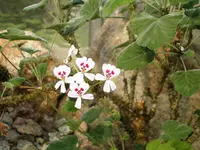
Cactus geranium (Pelargonium echinatum) is a small, shrubby succulent pelargonium with woody, spiny stems and delicate, star-shaped flowers. It stays compact and forms a sculptural, bonsai-like outline over time. Native to arid regions of South Africa, it is adapted to dry conditions and stores water in its stems. The plant often sheds leaves in heat or drought, then refoliates and blooms in cooler, brighter seasons. It suits growers who appreciate a distinct winter-growing rhythm rather than constant lush foliage. Those who learn how to care for cactus geranium find it rewarding, especially in bright, well-drained indoor or patio settings.

Main Plant Requirements

Care Difficulty

Moderate Care

Light Preference

Full Sun

Water Requirements

Low Water

Temperature Preference

Tropical / Frost Sensitive

Hardiness Zone

10–11

Soil Texture

Sandy, Loamy, Rocky

Soil pH

Slightly acidic (6.5–7.0), Neutral (7.0)

Soil Drainage

Well-drained

Fertilization

Light (every 4–6 weeks)

Get Personalized Care Plan

Scan your plant to receive care tips personalized for your specific plant

Available on iOS and Android

How to Care for the cactus geranium

Pelargonium echinatum prefers bright, cool sun with some protection during the hottest hours.

  • Provide 4–6 hours of direct morning sun, then bright filtered light or light shade in early afternoon, especially in warm climates.
  • Tolerates light partial shade, but flowering of cactus geranium is reduced if it receives less than about 3–4 hours of direct sun daily.
  • In winter, give as much bright light as possible; in intense summer sun, watch for leaf scorch and move to dappled shade if leaves pale or crisp.

Pelargonium echinatum needs infrequent but thorough watering and dislikes sitting in wet soil.

  • Allow the top 3–5 cm of soil to dry fully before watering, then soak the root zone so excess drains freely from the pot or bed.
  • During active growth and flowering, water when leaves just begin to lose firmness; in summer dormancy, reduce watering to light, occasional sips to prevent full shriveling.
  • Use very free-draining, gritty soil to limit root rot; soft, yellowing leaves and a musty smell indicate overwatering, while shriveled stems suggest underwatering.

This species prefers mild, dry conditions and is sensitive to hard frost and extreme heat.

  • Aim for 55–75°F (13–24°C) during active growth; slightly cooler nights help maintain compact growth and good flowering.
  • Protect from frost; growth slows below 45°F (7°C) and prolonged exposure near or below 32°F (0°C) can damage leaves and tuberous roots.
  • In hot weather above 85°F (29°C), give light shade and good airflow, and avoid reflected heat from walls or paving to reduce stress and leaf scorch.

This species prefers relatively dry air and rarely needs extra humidity.

  • Target 30–50% humidity, similar to a typical heated home, for stable growth of cactus geranium.
  • Tolerates drier air well, but sustained humidity above 60% can encourage fungal leaf spots and stem rot.
  • Watch for limp, yellowing leaves and mold on soil as signs humidity is too high; increase air circulation and space between plants if this appears.

Pelargonium echinatum grows best in a fast-draining, gritty mix that mimics its native rocky habitats.

  • Use a sandy or loamy mix with 40–60% mineral content such as coarse sand, pumice, or perlite to prevent waterlogging.
  • Aim for slightly acidic to neutral pH, around 6.0–7.0, which supports nutrient uptake without causing toxicity issues.
  • Blend cactus mix with extra perlite or fine gravel to improve aeration around the tuberous roots and reduce rot risk.
  • Avoid heavy, peat-dense or compacted soils that stay wet for more than 1 day after watering, as roots are highly rot-prone.

This species is very suitable for container growing, especially in cool or wet climates.

  • Select a pot only 2–4 in wider than the root zone to keep the mix drying predictably between waterings.
  • Choose unglazed terracotta to increase evaporation and prevent the tuberous roots from sitting in moist substrate too long.
  • Elevate the pot on feet or a mesh stand so drainage holes stay clear and excess water leaves the container quickly.

Pelargonium echinatum benefits from light, controlled feeding during its active growth period.

  • Use a balanced liquid fertilizer (for example 10‑10‑10) at 1/4–1/2 strength every 2–3 weeks in spring and summer.
  • Apply to already moist soil to reduce root burn and avoid getting solution on the leaves.
  • Stop feeding the cactus geranium in late summer as it prepares for dormancy, then resume lightly when new growth appears.
  • Avoid heavy compost or strong slow-release products that keep the soil too rich or wet.

Pelargonium echinatum responds well to measured pruning that maintains a compact, flowering shape.

  • Best time for structural pruning is late summer to early fall, after the main flowering flush.
  • Use clean, sharp scissors or pruners to remove dead, diseased, or damaged stems first.
  • Thin out weak or crossing shoots to improve light penetration and air movement within the plant.
  • Lightly shorten leggy stems to encourage branching and more flower-bearing tips next season.

Container-grown plants benefit from occasional repotting to refresh the mix and prevent root congestion.

  • Check for roots circling the pot, slow growth, or fast drying soil as signs repotting is needed every 2–3 years.
  • Carry out repotting in late summer to early fall, when flowering slows and temperatures are moderate.
  • Move into a slightly larger pot with fresh, sharply draining mix, keeping the crown at the same height.
  • Handle the root ball gently, loosening only the outer roots, then water lightly and keep shaded for several days.

Pelargonium echinatum is commonly propagated from stem cuttings and sometimes from seed under controlled conditions.

  • Take non-flowering stem cuttings in late summer, 7–10 cm long, with several healthy nodes.
  • Allow cut ends to dry and callus for 1–2 days, then insert into a sterile, sharply draining mix.
  • Provide bright, indirect light, good air flow, and keep the medium just slightly moist until roots form.
  • For seed, sow in late winter in a well-drained mix at 65–70°F, maintaining even but light moisture.

This species is not frost hardy and needs careful winter management, especially in climates with freezing temperatures.

  • Move container plants indoors before temperatures drop below 40°F, placing them in bright, cool light.
  • Keep soil almost dry during dormancy, watering just enough to prevent shriveling.
  • Avoid cold drafts and sudden temperature swings that can stress stems and roots.
  • In very cool indoor spots, place pots on insulating material to reduce root chilling from cold surfaces.

Care Tips

Seasonal rest management

Allow a cool, dry rest in late fall by gradually reducing water and keeping the plant near 50–55°F so the tuber can store energy and support strong growth in the next season.

Rotate for compact shape

Turn the pot 90° every 1–2 weeks during active growth so stems receive even light and stay compact rather than stretching toward one direction.

Stem support strategy

Use low, discreet hoops or a small open-frame support to keep brittle, zigzag stems from snapping and to display flowers cleanly above the rim of the pot.

Targeted pest checks

Inspect the zigzag joints and the undersides of the leaves every 7–10 days for early signs of mealybugs or spider mites, then isolate and treat promptly with a labeled insecticidal soap if any are found.

Repotting timing

Repot only at the start of new growth when roots just begin to circle the pot, moving up to a slightly larger, wide container to avoid excess wet medium while growing cactus geranium indoors or in a bright greenhouse.

Common Pests and Diseases

Pelargonium rust

This disease causes small yellow spots on the upper leaf surface and brown powdery pustules on the undersides, leading to premature leaf drop. Symptoms include a patchy, tired-looking canopy on older foliage first.

Solution

Remove and discard heavily affected leaves and any fallen debris to reduce spores, and avoid overhead watering so foliage dries quickly. Improve air movement around the plant, keep nights on the dry side, and, if the problem persists, use a labeled rust fungicide for ornamental Pelargonium, following the product instructions carefully.

Botrytis blight

This disease produces soft, water-soaked areas on leaves, stems, and flowers that quickly develop a gray, fuzzy mold, especially in cool, damp conditions. Symptoms include buds that fail to open and petals that collapse and discolor.

Solution

Remove all moldy, damaged, or fallen plant parts and dispose of them in the trash, not in compost. Provide better airflow, avoid wetting leaves and flowers when watering, reduce humidity, and, if needed, apply a Botrytis-targeted fungicide suitable for ornamentals during prolonged cool, damp weather.

Mealybugs

These insects appear as white, cottony clusters on stems, leaf joints, and roots, and they suck sap, causing stunting and distorted growth. This pest also excretes sticky honeydew that can attract sooty mold.

Solution

Isolate infested plants, then dab visible mealybugs with cotton swabs dipped in 70% isopropyl alcohol or wash them off under a gentle stream of water. For persistent infestations, use repeated applications of insecticidal soap or horticultural oil, including the undersides of leaves and stem joints, and check any nearby Pelargonium plants regularly.

Glasshouse whitefly

These insects are small white flying insects that rest on the underside of leaves and fly up in a cloud when disturbed, weakening plants by sucking sap. This pest also produces honeydew, which can lead to sticky leaves and black sooty mold growth.

Solution

Hang yellow sticky traps near plants to monitor and reduce adult numbers, and regularly inspect and remove heavily infested leaves. In indoor or greenhouse conditions, use insecticidal soap or horticultural oil on the undersides of leaves, repeating at 5–7 day intervals, or introduce biological controls such as Encarsia formosa where available.

Pelargonium bacterial blight

This disease causes wedge-shaped yellow to brown lesions on leaves, wilting of individual branches, and sometimes rapid collapse of whole plants, often without obvious root problems. Symptoms include sudden leaf drop and dark streaks on stems when cut open.

Solution

Remove and discard any plants showing advanced symptoms, and always sterilize cutting tools between plants to limit spread. Avoid overhead watering, keep foliage dry, do not reuse contaminated pots or media, and only propagate from healthy, symptom-free stock, as this disease spreads easily through cuttings and splashing water during growing cactus geranium indoors or outdoors.

Interesting Facts

Hedgehog-like stems

This species develops short, jointed stems with hard, spine-tipped ridges, which inspired both its scientific name echinatum (meaning hedgehog-like) and the common name cactus geranium.

Winter-growing cycle

It is a true winter-growing, summer-dormant geophyte from the arid Western Cape of South Africa, producing leaves and flowers in the cool, moist season and shedding foliage to survive the dry summer as an underground tuber.

Nectar guides for pollinators

The flowers have dark maroon to purple markings concentrated on the upper petals, which function as nectar guides that visually direct visiting insects toward the nectaries and reproductive structures.

Botan icon

Did you know?

In its native habitat in the Western Cape, this species often grows on rocky, well-drained slopes and outcrops, where its tuber anchors in shallow crevices that collect limited winter moisture while keeping the plant protected from intense summer heat and drought.

FAQs about cactus geranium

This species usually blooms in late winter to early spring, often from January to April in the Northern Hemisphere. In good conditions, the main display can last several weeks, with individual flowers opening in succession.

Grow Healthy Plants with Botan Care

Keep your plants happy and healthy with plant identification, disease detection, and easy care guidance.

Botan plant care app — identify plants on mobile

Explore More Plants