Pyrenean Pheasant's-eye Care (Adonis pyrenaica)

Pyrenean Pheasant's-eye

About Pyrenean Pheasant's-eye

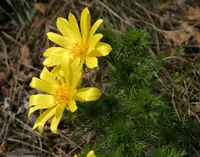
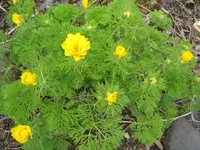
Pyrenean pheasant's-eye, Adonis pyrenaica, is a small alpine perennial valued for its bright yellow, finely petaled flowers and compact clumping habit. It typically forms low mounds of delicate, feathery foliage that highlight the vivid blooms.

This species is native to the Pyrenees, where it grows in rocky, well-drained mountain soils and cool conditions. In cultivation it suits rock gardens and troughs, but can be slow to establish and is sensitive to heat and winter wet.

Gardeners who want to care for Pyrenean Pheasant's-eye should provide cool summers, free-draining soil, and steady moisture without waterlogging. Its specific climate needs make it better suited to experienced growers or cooler regions.

Main Plant Requirements

Care Difficulty

Hard Care

Light Preference

Full Sun

Water Requirements

Moderate Water

Temperature Preference

Cool Climate

Hardiness Zone

5–7

Soil Texture

Sandy, Loamy, Rocky

Soil pH

Slightly acidic (6.5–7.0), Neutral (7.0)

Soil Drainage

Well-drained

Fertilization

Minimal (feed rarely)

Get Personalized Care Plan

Scan your plant to receive care tips personalized for your specific plant

Available on iOS and Android

How to Care for the Pyrenean Pheasant's-eye

This alpine perennial prefers bright, cool conditions with a clear daily rhythm of sun and shade.

  • Provide 4–6 hours of direct morning sun with light afternoon shade, especially in warmer lowland gardens, to protect delicate blooms of Pyrenean Pheasant's-eye.
  • Allow light dappled or filtered shade for the rest of the day; strong, low-angle winter sun is usually safe in temperate climates.
  • Watch foliage: pale, floppy growth suggests insufficient light, while scorched, crispy leaf edges indicate excess midday or afternoon sun exposure.

This mountain species prefers consistently moist but never waterlogged soil, especially during active growth.

  • Water when the top 2–3 cm of soil feel dry, aiming for evenly damp soil around the root zone rather than frequent light sprinkling.
  • Ensure sharply draining, gritty soil or a sloped site so excess water runs off; prolonged puddling or sticky clay promotes root rot.
  • Reduce watering after flowering as foliage begins to yellow, keeping the soil just slightly moist while Adonis pyrenaica retreats into dormancy.

This alpine plant is strongly cold tolerant but prefers cool summers and avoids extreme heat.

  • Optimal spring growth occurs around 45–65°F (7–18°C), with flowering best in cool, stable conditions rather than sudden warm spells.
  • Mature plants tolerate winter lows down to about 0°F (−18°C) under snow cover; brief colder snaps are usually safe if soil drains well.
  • Heat above 80°F (27°C), especially with full afternoon sun, can stress plants, so provide shade and mulch to keep roots cool in hot spells.

This alpine perennial tolerates a wide humidity range and rarely needs special humidity management.

Adonis pyrenaica prefers mineral-rich, sharply drained soil that mimics alpine scree conditions.

  • Use a gritty mix: 40–50% coarse sand or fine gravel, 30–40% loam, and 10–20% leaf mold or compost.
  • Ensure very rapid drainage; water must not pool around the crown or roots after irrigation or rain.
  • Aim for slightly alkaline to neutral pH, around 7.0–7.8, often achieved by including calcareous grit or limestone chips.
  • Avoid heavy clay, peat-heavy mixes, or compacted ground, which restrict aeration and promote root rot.

This species can be grown in containers if the pot mimics its dry, rocky alpine habitat.

  • Select a deep, heavy clay or ceramic pot that anchors the plant against wind and prevents rapid toppling on exposed sites.
  • Fill the container with a gritty alpine mix and leave a gravel mulch on top to keep the crown dry and reduce surface compaction.
  • Raise the pot on feet or blocks so drainage holes stay clear and excess water escapes quickly after rain.

Adonis pyrenaica is a low-nutrient alpine species that needs only modest feeding in cultivation.

  • Use a light top-dressing of fine compost or a low-dose balanced NPK fertilizer in early spring as growth starts.
  • Apply a diluted liquid balanced feed at 1/4–1/2 strength once every 4–6 weeks during the active growing season.
  • Avoid rich, frequent feeding, which encourages weak, lush growth and may reduce flowering on Pyrenean Pheasant's-eye.
  • Stop fertilizing after flowering and do not feed during summer dormancy or in winter.

Adonis pyrenaica requires minimal pruning, mainly to keep the clump healthy and tidy.

  • Cut back spent flower stems at the base after blooming to maintain a neat appearance and direct energy to the crown.
  • Remove dead, yellowed, or damaged foliage with clean, sharp scissors or hand pruners during or after the growing season.
  • Thin out congested stems lightly if the clump becomes very dense, improving air flow and reducing disease risk.
  • Avoid heavy shaping; this species has a naturally compact habit and excessive cutting can reduce future flowering.

This alpine perennial dislikes disturbance, so repotting or transplanting should be rare and carefully planned.

  • Look for roots circling the pot drainage holes or noticeably slowed growth as signs a container plant needs more space.
  • Transplant or up-pot only in early spring, just as shoots emerge, to match active root growth and reduce stress.
  • Aim for repotting every 3–4 years at most, using a free-draining, gritty mix and a pot only one size larger.
  • Handle the root ball gently, keep divisions large, and water lightly after moving to settle soil without waterlogging.

Multiplying this species is possible but somewhat slow, and Adonis pyrenaica is often left to form natural clumps.

  • Sow fresh seed in late summer to autumn in pots kept cool, bright, and evenly moist for natural cold stratification.
  • Use a gritty, free-draining seed mix and place containers outdoors or in a cold frame to experience winter chill.
  • Germination can be irregular over 1–2 years; label pots clearly and avoid disturbing them.
  • Mature clumps may be divided very sparingly in early spring, keeping divisions large to reduce transplant shock.

This alpine perennial is cold hardy and normally needs little special winter care in temperate climates.

  • Tolerates freezing conditions when planted in well-drained, gritty soil that prevents winter waterlogging.
  • Apply a light mulch of leaf mold or fine gravel around, but not over, the crown to buffer temperature swings.
  • For container plants in very cold regions, overwinter pots in a cold frame or against a sheltered wall to reduce root freezing.

Care Tips

Alpine-style planting

Place the plant in a raised rock garden or well-drained scree bed so meltwater and rain run off quickly, which mimics its natural alpine habitat and reduces crown rot risk.

Summer dormancy protection

After flowering, mark the clump with a discreet label and avoid disturbing the area during summer dormancy so the small, resting crowns are not damaged during weeding or replanting.

Gentle spring mulching

Apply a thin, gritty mineral mulch (such as 3–5 mm gravel) around but not over the crown in late winter to keep emerging shoots clean, reduce soil splash, and stabilize surface moisture without trapping excess water.

Controlled division timing

If division is needed, lift and split mature clumps immediately after flowering while growth is still active, then replant divisions at the same depth and water once to settle soil, as this species resents disturbance at other times.

Companion selection

Grow it among low, shallow-rooted alpines rather than vigorous groundcovers so neighboring plants do not outcompete its fine root system or shade the foliage during the short growing season, which supports long-term success when caring for Pyrenean Pheasant's-eye.

Common Pests and Diseases

Botrytis blight

This disease often affects flowers and foliage in cool, moist conditions, leading to soft, water-soaked tissue that develops a gray, fuzzy mold. Symptoms include browning and collapse of flower buds and petals.

Solution

Remove and discard all affected flowers and leaves, avoid overhead watering, and increase spacing and airflow around plants. In persistently wet climates, apply a registered fungicide labeled for Botrytis on ornamentals at the first sign of spotting on buds or petals, following label directions carefully.

Powdery mildew

This disease produces a white, powdery coating on leaves and stems, which can reduce photosynthesis and weaken the plant, especially in dense plantings or partial shade. Symptoms include distorted new growth and premature leaf yellowing.

Solution

Improve air circulation by thinning nearby vegetation and avoid wetting foliage late in the day. If needed, use a sulfur or potassium bicarbonate-based fungicide labeled for ornamentals, applying at the earliest signs of powdery patches on leaves.

Aphids

These insects feed on young stems and flower stalks, causing curling or distortion of new growth and sticky honeydew deposits that may attract sooty mold. This pest tends to cluster on the undersides of leaves or near flower buds.

Solution

Dislodge colonies by spraying plants with a firm stream of water, and pinch off heavily infested shoot tips. For ongoing infestations, apply insecticidal soap or a neem oil product, ensuring thorough coverage of the undersides of leaves and repeating as needed according to label guidance.

Leaf spot complex

This disease group causes small brown to dark spots on leaves that may merge into larger lesions, especially in cool, wet mountain or alpine conditions where this species is often grown. Symptoms include premature leaf yellowing and early dieback of foliage while stems are still green.

Solution

Remove and destroy affected leaves to reduce pathogen spread, and water at soil level rather than over foliage. In sites with recurring problems, rotate planting areas and consider a broad-spectrum ornamental fungicide during periods of extended wet weather, following all safety and timing instructions.

Slugs and snails

These pests chew irregular holes in leaves and young shoots, often leaving slimy trails on or around plants in damp, shaded rock garden sites. Damage is most common on low foliage and emerging spring growth.

Solution

Hand-pick slugs and snails in the evening or early morning and reduce moist hiding spots such as dense mulch or stones directly against crowns. If damage remains high, use iron phosphate-based slug bait placed around but not touching plants, reapplying as directed on the product label.

Interesting Facts

Pyrenean alpine specialist

This species is native to high-altitude limestone slopes in the central Pyrenees, where it grows in open, rocky grasslands above the treeline and endures long, cold, snowy winters.

Early snowmelt bloomer

It typically flowers soon after snowmelt in late spring to early summer, taking advantage of the short alpine growing season with large, bright yellow flowers that attract early pollinators.

Limestone-loving perennial

The plant is strongly associated with calcareous, well-drained soils and often occurs in sparsely vegetated scree, showing a clear preference for sunny, exposed microsites in its native range.

Botan icon

Did you know?

Adonis pyrenaica is considered a rare and often locally protected plant in parts of its limited Pyrenean range, and wild populations are monitored because of habitat disturbance and the species’ naturally restricted distribution.

FAQs about Pyrenean Pheasant's-eye

This alpine perennial usually flowers in late spring to early summer, often May–June, depending on altitude and climate. Individual blooms last about 1–2 weeks, but a well-grown clump can provide flowers over several weeks.

Grow Healthy Plants with Botan Care

Keep your plants happy and healthy with plant identification, disease detection, and easy care guidance.

Botan plant care app — identify plants on mobile

Explore More Plants