seaside goldenrod Care (Solidago sempervirens)

Also known as: northern seaside goldenrod, seacoast goldenrod
seaside goldenrod

About seaside goldenrod

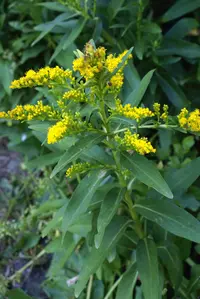
Seaside goldenrod, Solidago sempervirens, is a salt-tolerant perennial native to Atlantic and Gulf Coast shorelines. It often grows in dunes, marsh edges, and coastal roadsides.

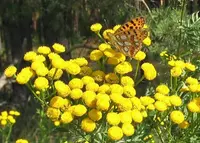
The plant forms upright clumps with fleshy, evergreen basal leaves and tall stems topped with many small yellow flower clusters in late summer and fall. It is an important nectar source for pollinators during the late season.

This species is generally easy to grow where it receives full sun, has good drainage, and is not crowded by aggressive competitors. Gardeners who learn how to care for seaside goldenrod usually find it adaptable, especially in coastal or dry, sandy sites.

Main Plant Requirements

Care Difficulty

Easy Care

Light Preference

Full Sun

Water Requirements

Low Water

Temperature Preference

Cold Hardy

Hardiness Zone

3–9

Soil Texture

Sandy, Loamy

Soil pH

Slightly acidic (6.5–7.0), Neutral (7.0)

Soil Drainage

Well-drained

Fertilization

Minimal (feed rarely)

Get Personalized Care Plan

Scan your plant to receive care tips personalized for your specific plant

Available on iOS and Android

How to Care for the seaside goldenrod

This coastal perennial thrives in strong light and is adapted to open, exposed sites.

  • Provide 6–8 hours of direct sun daily; seaside goldenrod flowers most heavily in full sun.
  • Plant in a spot with morning to early afternoon sun; light afternoon shade is acceptable in hotter inland areas.
  • In deep shade stems stretch, flop, and produce fewer blooms, while extremely reflected heat from pavement can scorch foliage in drought.

This species is drought-tolerant once established and prefers soil that dries slightly between waterings.

  • In the ground, allow the top 3–5 cm of soil to dry before deep watering; sandy coastal soils may need shorter but less frequent sessions.
  • Reduce watering in fall and winter, supplying moisture mainly during extended dry spells or if leaves wilt and do not recover overnight.
  • Ensure sharply drained soil; puddling, soft stems, or yellowing lower leaves suggest overwatering, while crisp leaf edges and drooping tips indicate underwatering.

This hardy perennial is adapted to wide outdoor temperature swings typical of coastal regions.

  • Optimal growth occurs around 65–80°F (18–27°C), with strong vegetative growth in late spring and early summer.
  • Plants tolerate heat up to about 95°F (35°C) if soil is not waterlogged and roots have access to some moisture.
  • Established clumps survive winter down to about -20°F (-29°C); top growth dies back with hard frost but crowns resprout in spring.

Humidity is rarely critical for seaside goldenrod, which thrives in dry, coastal air.

This coastal perennial prefers lean, sandy soil with rapid drainage.

  • Use a mix of 60–80% sand with the balance as loam or compost to give structure and nutrients without trapping water.
  • Aim for slightly acidic to neutral pH, around 6.0–7.0, which suits most garden soils without special adjustment.
  • Improve aeration on heavier ground by incorporating coarse sand or fine gravel through the top 15–20 cm before planting.
  • Avoid compacted clay, waterlogged spots, or richly fertilized beds that encourage weak, floppy growth and root problems.

This species can be grown in containers outdoors if the pot is prepared for its deep, upright root system.

  • Choose a tall, heavy container that resists tipping, as the plant becomes top‑heavy when in full flower.
  • Use a very fast‑draining mix, such as 50% coarse sand or grit in a standard outdoor potting mix, to mimic coastal soil.
  • Position the pot where strong wind is filtered by a wall or railing, reducing leverage on the stems and container rim.

This coastal native needs only light feeding, as seaside goldenrod is adapted to low-nutrient soils.

  • Use a balanced slow-release fertilizer (around 10-10-10) or thin compost layer in early spring for in-ground plants.
  • Feed container-grown plants every 6–8 weeks in the growing season with a diluted balanced liquid fertilizer at 1/2 strength.
  • Avoid fertilizing in late fall and winter to prevent soft, cold-sensitive growth.
  • Do not overapply nitrogen, which can cause floppy stems and reduced flowering.

Pruning Solidago sempervirens is mainly done to manage height, maintain tidiness, and support flowering.

  • Cut back spent flower stalks in late fall or very early spring to encourage dense new growth.
  • Remove dead, damaged, or crossing stems at the base using clean, sharp hand pruners.
  • Shorten tall, floppy stems by 1/3 in early summer to promote branching and more compact plants.
  • Thin crowded clumps every few years to maintain airflow and reduce disease pressure.

This species is usually grown in the ground, so focus on thoughtful site transplanting rather than frequent repotting.

  • Transplant when growth resumes in early spring or just after flowering in fall for less stress.
  • Look for signs such as slow growth, crowded clumps, or roots circling a pot if container-grown.
  • Lift and divide overgrown clumps every 3–5 years, replanting vigorous sections at the same depth.
  • Water thoroughly after transplanting, then keep soil evenly moist for 1–2 weeks to help roots re-establish.

Solidago sempervirens is commonly propagated to expand coastal or native plantings.

  • Divide mature clumps in early spring or fall, replanting healthy sections with several shoots and roots.
  • Sow seeds outdoors in fall or late winter; natural cold exposure helps break dormancy and improve germination.
  • Take soft to semi-ripe stem cuttings in late spring or early summer, rooting them in a moist, well-drained medium.
  • Provide bright light, consistent moisture, and good airflow around new divisions or cuttings to reduce rot risk.

This coastal perennial is quite cold hardy and usually needs minimal winter care in most temperate climates.

  • In cold regions, allow top growth to die back naturally, then cut stems close to the ground in late winter.
  • Apply a 5–8 cm mulch layer around the crown in exposed sites to moderate soil temperature fluctuations.
  • For container plants in colder zones, move pots to a sheltered, unheated area to reduce freeze-thaw stress.

Care Tips

Salt-tolerant placement

Use seaside goldenrod as a front-line buffer in coastal gardens where salt spray or occasional road salt is an issue, positioning more sensitive perennials on the lee side to benefit from its tolerance.

Prevent lodging in wind

In very windy or exposed sites, install discreet, low ring supports or use neighboring sturdy grasses as living stakes early in the season so tall stems stay upright when heavy with late-season blooms.

Self-sowing control

If you want to limit spread, shear or deadhead the fading flower heads before seed sets, leaving a few stems only where you intentionally want new seedlings to appear.

Wildlife-supportive cutting

When cutting stems for arrangements, leave at least one-third of the flowering stalks in place so pollinators and late-season insects still have abundant nectar and habitat.

Autumn rejuvenation

In colder regions, wait to cut back the dry stems until late winter, then remove them at the base to both tidy the clump and encourage dense new shoots while maintaining some winter structure and shelter for beneficial insects, which is an overlooked part of caring for seaside goldenrod.

Common Pests and Diseases

Goldenrod gall fly

This pest forms swelling galls on stems where larvae feed inside the plant tissue. Symptoms include round, marble-like bulges along flower stalks that may slightly weaken affected stems.

Solution

Prune out and dispose of gall-bearing stems in late fall or winter before adults emerge, and avoid leaving cut stems on the ground. In most gardens, no chemical control is needed, as the damage is mainly cosmetic and natural predators usually keep populations in check.

Goldenrod bunch gall

This disease causes tight clusters of deformed, broom-like shoots at stem tips due to infection by a gall midge. Symptoms include thickened, highly branched rosettes that stop normal vertical growth on affected stems.

Solution

Cut off and discard galled shoot tips as soon as they are noticed, placing them in the trash rather than compost. Maintain vigorous plants with appropriate sun and spacing, since healthy seaside goldenrod tolerates some gall damage without long-term decline.

Rust

This disease produces yellow to orange pustules on leaves and sometimes stems, which can reduce photosynthesis and cause premature leaf drop. Symptoms include powdery or crusty spots that may rub off on fingers or nearby surfaces.

Solution

Remove and discard heavily infected leaves and any fallen debris around the base to reduce spore levels. Improve air circulation by avoiding overcrowding, water at the base to keep foliage dry, and if rust is persistent, apply a labeled copper or sulfur fungicide according to Solidago sempervirens care instructions.

Powdery mildew

This disease appears as white or gray powdery patches on leaf surfaces, often in late summer when humidity is high. Symptoms include dull, distorted foliage and reduced vigor on heavily affected plants.

Solution

Increase spacing and airflow, water early in the day, and avoid overhead watering whenever possible. Remove and discard badly affected leaves, and if needed, use a horticultural oil or potassium bicarbonate product labeled for ornamental perennials, applied according to directions.

Aphids

These insects cluster on young stems and flower buds, sucking sap and excreting sticky honeydew that can attract sooty mold. Symptoms include curled or distorted new growth and reduced flowering in severe infestations.

Solution

Spray colonies off with a strong stream of water, targeting stem tips and undersides of leaves. For persistent problems, introduce or conserve natural enemies such as lady beetles, or apply insecticidal soap or neem oil in the early morning, repeating as needed according to the label.

Interesting Facts

True coastal specialist

This species is naturally restricted to salt-influenced habitats such as dunes, upper salt marsh edges, and coastal roadsides along the Atlantic and Gulf coasts, where few other herbaceous perennials can persist long term.

Salt excretion strategy

The thick, somewhat succulent leaves can tolerate and shed salt spray deposited from the ocean, an adaptation that helps the plant maintain water balance and avoid salt damage in exposed seaside conditions.

Late-season pollinator magnet

It flowers late in the growing season, often from late summer into fall, providing one of the last abundant nectar and pollen resources for bees, butterflies, and migrating monarchs along coastal flyways.

Botan icon

Did you know?

Unlike many goldenrod relatives, this species can naturally colonize disturbed coastal infrastructure such as riprap, jetties, and the edges of seaside pavements, where wind-blown seed and high salt exposure exclude most competing plants.

FAQs about seaside goldenrod

Poor flowering usually comes from too much shade, nutrient-rich or overwatered soil, or plants that are too young. This species flowers best in full sun, lean sandy soil, and with minimal fertilization or disturbance during late summer.

Grow Healthy Plants with Botan Care

Keep your plants happy and healthy with plant identification, disease detection, and easy care guidance.

Botan plant care app — identify plants on mobile

Explore More Plants