aquatic milkweed Care (Asclepias perennis)

Also known as: Swamp-forest Milkweed, Smoothseed Milkweed, Shore Milkweed, White Swamp Milkweed
aquatic milkweed

About aquatic milkweed

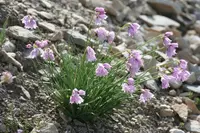
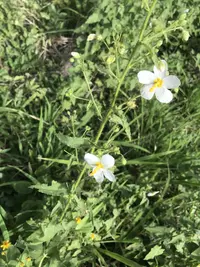
Aquatic milkweed, Asclepias perennis, is a perennial wildflower native to wet habitats in the southeastern United States, such as streambanks, swamps, and ditches. It naturally forms small clumps and often spreads gently in consistently moist or shallowly flooded soils.

The plant usually stays compact, with narrow leaves and clusters of white to pale pink flowers that attract butterflies and other pollinators. It prefers full sun to light shade and thrives in wet, low-oxygen soils where many garden plants struggle.

These traits make it a useful choice for rain gardens, pond edges, and naturalized wet areas, though it dislikes drying out. Understanding how to care for aquatic milkweed starts with providing steady moisture and avoiding dry, exposed sites.

Main Plant Requirements

Care Difficulty

Moderate Care

Light Preference

Partial Sun

Water Requirements

Aquatic

Temperature Preference

Cold Hardy

Hardiness Zone

5–9

Soil Texture

Loamy, Silty, Organic-rich

Soil pH

Acidic (5.5–6.5), Slightly acidic (6.5–7.0)

Soil Drainage

Waterlogged tolerant

Fertilization

Minimal (feed rarely)

Get Personalized Care Plan

Scan your plant to receive care tips personalized for your specific plant

Available on iOS and Android

How to Care for the aquatic milkweed

This wetland milkweed thrives in bright, mild conditions with some protection from intense afternoon sun.

  • Provide 4–6 hours of morning sun or filtered light; light afternoon shade helps prevent leaf scorch in hot summers.
  • Tolerates partial shade, but flowering and vigor decline if it receives less than 3–4 hours of direct or high dappled light.
  • In open sites, monitor for leaf curling, dry margins, or pale foliage, which signal excess sun or heat stress, especially in midsummer for aquatic milkweed.

This species is adapted to consistently wet conditions and prefers never to dry out completely.

  • In natural or garden beds, aim for soil that stays saturated to very moist; standing water up to a few cm is tolerated for extended periods.
  • If soil is not naturally wet, water when the top 1–2 cm feels just moist, not dry, and avoid letting cracks form or leaves wilt and droop.
  • Watch for yellowing, limp stems with a sour smell as signs of poor drainage and root rot in Asclepias perennis, and improve water flow rather than reducing moisture drastically.

This native milkweed prefers warm, humid conditions but withstands moderate cold when dormant.

  • Active growth is strongest around 70–85°F (21–29°C); flowering and root activity slow noticeably below about 60°F (16°C).
  • The plant is hardy to roughly 20–25°F (-6 to -4°C) once established, dying back to the roots in winter and resprouting in spring.
  • In hot regions, short periods near 90–95°F (32–35°C) are tolerated if soil stays saturated; prolonged heat with dry soil increases stress and pest susceptibility.

This wetland species tolerates a range of humidity but performs best in consistently moist air.

  • Target 50–70% humidity, which matches the naturally damp habitats of aquatic milkweed.
  • Leaves that curl, brown at the tips, or develop crisp margins indicate air that is too dry.
  • Increase humidity by grouping plants near water features, using wide trays of wet pebbles, or positioning containers close to consistently damp soil outdoors.

This species prefers constantly moist, organic-rich soil that mimics slow-moving or shallow water margins.

  • Use a heavy loam rich in compost with some fine sand to hold moisture yet prevent complete stagnation.
  • Aim for slightly acidic to neutral pH around 6.0–7.0, which supports nutrient availability and healthy root function.
  • For containers, blend roughly 60% composted loam, 30% sand, and 10% fine bark to balance moisture retention and aeration.
  • Avoid compacted, dry, or highly alkaline mixes, and prevent water that becomes foul-smelling, which signals anaerobic, oxygen-poor conditions harmful to Asclepias perennis.

This species can grow in containers if moisture is carefully managed.

  • Choose a deep, heavy container that resists tipping when the tall stems catch wind near ponds or wet areas.
  • Use a pot with several large drainage holes, then place it in a water saucer or shallow basin to keep the mix consistently saturated without covering the crown.
  • Select thick plastic or glazed ceramic pots, which slow evaporation and help keep the root zone evenly wet for longer periods.

Asclepias perennis is a light feeder that grows well in modestly fertile, consistently moist soils.

  • Use a balanced, slow-release fertilizer (around 10-10-10) or a thin layer of compost in early spring if soil is poor.
  • Feed once at the start of the growing season; additional applications are rarely necessary for aquatic milkweed.
  • Apply at half the label rate to avoid lush, floppy growth and reduced flowering.
  • Do not fertilize in late fall or winter, when the plant is dormant.

Pruning Asclepias perennis is simple and mainly focused on tidiness and plant health.

  • Cut back dead or winter-killed stems in late winter or very early spring using clean hand pruners.
  • Remove damaged, diseased, or badly crowded shoots during the growing season to maintain airflow and reduce disease risk.
  • Lightly trim spent flower stems to neaten the plant, but leave some seed pods if natural reseeding is desired.
  • Avoid hard midsummer cutbacks, which can stress the plant and reduce flowering.

Aquatic milkweed is most often grown in the ground or wetland beds, so transplanting is more relevant than repotting.

  • Transplant in early spring or early fall when temperatures are mild and soil moisture is reliable.
  • Look for signs such as slow growth, crowded clumps, or container roots circling the pot as cues to move or divide plants.
  • Lift with a generous root ball, disturb roots as little as possible, and replant at the same depth into moist, organic-rich soil.
  • Water thoroughly after transplanting and keep the root zone evenly wet for several weeks to reduce transplant shock.

Asclepias perennis is most reliably propagated from seed under moist, warm conditions.

  • Collect ripe seed pods in late summer or early fall, then dry and store cool until sowing.
  • Sow seeds in late fall outdoors or provide 30–45 days of cold, moist stratification before spring sowing.
  • Use a shallow tray with a fine, moisture-retentive mix; keep evenly wet and in bright, indirect light for germination.
  • Allow seedlings to develop several true leaves before carefully transplanting to individual pots or a prepared, consistently moist bed.

Aquatic milkweed is generally hardy in mild to moderate winters and needs only minimal winter care in suitable zones.

  • In regions with frost, allow top growth to die back naturally, then cut stems to near ground level in late winter.
  • Apply a 5–8 cm layer of mulch around the crown in colder areas to buffer freeze–thaw cycles.
  • Container-grown plants in marginal climates can be moved to a cool, frost-free, bright spot and kept just barely moist.

Care Tips

Manage Spreading Rhizomes

Install a shallow root barrier 20–25 cm deep around beds or along pond edges to keep plants from spreading into unwanted areas while still allowing a dense stand to form for wildlife.

Staggered Cutback Zones

In late winter, cut back only 50–70% of stems to 5–10 cm and leave the rest standing, which maintains habitat for overwintering insects while still refreshing growth for the coming season.

Seed Pod Timing

If you want both seed and continuous flowering, allow only a portion of seed pods to mature fully and remove the rest early, so the plant can redirect energy into new blooms and foliage.

Targeted Monarch Support

Cluster several plants together in a 0.5–1 m patch and avoid any systemic insecticides nearby, creating a safe, concentrated feeding and egg-laying zone for monarch caterpillars.

Shoreline Water Management

In pond or bog edges with fluctuating water levels, plant in a slightly raised berm or shelf so roots stay consistently moist while stem bases are not submerged for long periods, which improves long-term stability when growing aquatic milkweed.

Common Pests and Diseases

Oleander aphid

This pest forms dense yellow clusters on tender stems, buds, and leaf undersides, sucking sap and causing distortion and sticky honeydew. Symptoms include curling leaves, stunted shoots, and sooty mold growing on the honeydew in humid conditions.

Solution

Pinch or hose off heavily infested shoots, then spray plants thoroughly with a strong stream of water every few days to reduce populations. For persistent colonies, use insecticidal soap or a ready-to-use neem oil product, coating stems and leaf undersides, and repeat as new aphids appear while also encouraging lady beetles and lacewings by avoiding broad-spectrum insecticides nearby.

Milkweed bug

These insects feed on seeds and young pods, often gathering in large orange and black clusters that reduce viable seed set. Symptoms include shriveled seed pods and a noticeable decline in seed production on established clumps.

Solution

Handpick and drop bugs into soapy water, especially on small plantings where seed production is important. Remove some seed pods before bugs congregate, and limit fallen seed debris around plants to reduce future hiding and breeding sites without using broad-spectrum chemicals that harm beneficial insects.

Milkweed leaf beetle

These insects chew irregular holes in leaves and can skeletonize foliage when populations are high. Symptoms include ragged leaves, defoliation of young stems, and visible orange or red beetles and larvae on plants near wet areas.

Solution

Inspect plants regularly and handpick adults and larvae into a container of soapy water, focusing on early-season infestations. Remove heavily damaged leaves that harbor eggs, and maintain a small buffer of unmown vegetation nearby so predators and parasitoids can persist and help reduce beetle numbers over time.

Leaf spot

This disease causes small tan, brown, or dark purple spots on leaves that may enlarge and merge, sometimes with yellow halos, especially in warm, wet conditions. Symptoms include premature yellowing and drop of older leaves, starting in dense or shaded patches of plants.

Solution

Remove and discard affected leaves and any fallen debris to lower the source of fungal spores, and water at soil level rather than overhead to keep foliage dry. Improve spacing and airflow in Asclepias perennis plantings, and in severe recurring cases use a labeled ornamental fungicide according to directions at the first sign of new spots.

Powdery mildew

This disease produces a white or gray powdery coating on leaves and stems, more common when days are warm and nights are cool with high humidity. Symptoms include dull, distorted leaves and reduced vigor, especially on crowded or partially shaded plantings along wet edges or in containers under aquatic milkweed indoor care conditions.

Solution

Prune to open up dense clumps and remove the worst affected leaves, disposing of them in the trash rather than compost. Avoid overhead watering, keep plants in locations with good air movement and sufficient sun, and apply a labeled fungicidal spray such as sulfur or potassium bicarbonate at the first sign of powdery patches if cultural steps are not enough.

Interesting Facts

Flood‑adapted milkweed

This species is unusual among milkweeds because it naturally grows in saturated soils, swamps, and along slow-moving streams, and can tolerate periodic flooding far better than most other Asclepias species.

Specialist butterfly nursery

In its native range in the southeastern US, this plant is an important larval host for monarch and queen butterflies, providing foliage that caterpillars can feed on even in wetland habitats where other milkweeds are scarce.

Shade‑tolerant wetland native

Unlike many sun-loving milkweeds, this species often thrives in light shade under open woodland canopies, making it one of the few milkweeds naturally adapted to both low, wet ground and partial shade.

Botan icon

Did you know?

Genetic and field studies have shown that this species helps support regionally distinct monarch butterfly populations in the southeastern US by filling an ecological niche in warm, lowland wetlands where upland milkweed species are absent or rare.

FAQs about aquatic milkweed

This species is highly attractive to many pollinators, especially native bees and multiple butterfly species, including monarchs. Flowers provide reliable nectar in wet areas, making it valuable in wildlife gardens, rain gardens, and naturalized pond edges.

Grow Healthy Plants with Botan Care

Keep your plants happy and healthy with plant identification, disease detection, and easy care guidance.

Botan plant care app — identify plants on mobile

Explore More Plants