globe candytuft Care (Iberis umbellata)

Also known as: Garden Candytuft
globe candytuft

About globe candytuft

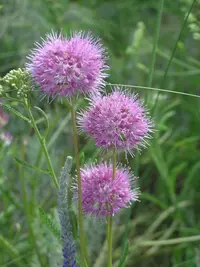
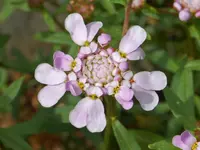
Globe candytuft, Iberis umbellata, is a compact annual flowering plant grown mainly for its rounded clusters of small, closely packed blooms. It usually forms low mounds that create a colorful carpet effect in garden beds, borders, and rock gardens.

This species is native to Mediterranean regions, so it prefers sunny, open sites and well-drained soil. Flowers appear in shades of white, pink, and purple, often attracting bees and other pollinators.

Iberis umbellata is generally easy to grow from seed, provided soil does not stay waterlogged and light is sufficient. Gardeners who learn how to care for globe candytuft often value it as a reliable, short-lived seasonal display.

Main Plant Requirements

Care Difficulty

Easy Care

Light Preference

Full Sun

Water Requirements

Moderate Water

Temperature Preference

Cool Climate

Hardiness Zone

3–9

Soil Texture

Sandy, Loamy, Rocky

Soil pH

Slightly acidic (6.5–7.0), Slightly alkaline (7.0–7.5)

Soil Drainage

Well-drained

Fertilization

Minimal (feed rarely)

Get Personalized Care Plan

Scan your plant to receive care tips personalized for your specific plant

Available on iOS and Android

How to Care for the globe candytuft

Iberis umbellata thrives in bright, open sites with direct sun for strong flowering.

  • Provide 6–8 hours of direct sun daily; morning sun with light afternoon shade works well in hotter regions.
  • In cooler climates, full sun all day produces the most compact growth and heaviest bloom on globe candytuft.
  • Plants tolerate light partial shade (3–4 hours sun), but stems may stretch and flower clusters become sparser if light is too low.

Iberis umbellata prefers evenly moist but never waterlogged soil, especially while establishing.

  • Water when the top 3–5 cm of soil feels dry, applying enough to moisten the root zone but allowing excess to drain away.
  • Use sharply draining soil or a sloped bed to prevent standing water, which encourages root rot and yellowing foliage.
  • Reduce watering once flowering finishes, watching for wilting or dull, drooping leaves as a signal the plant needs moisture.

This Mediterranean annual prefers mild conditions and does best without temperature extremes.

  • Optimal growth occurs around 60–75°F (16–24°C); flowers last longer and colors stay brighter in the cooler end of this range.
  • Plants tolerate light frost only briefly; growth stops below about 40°F (4°C), and hard freezes can kill young seedlings.
  • Iberis umbellata manages short heat spells up to about 85–90°F (29–32°C) if soil is not allowed to dry out completely and roots are mulched.

Humidity is rarely critical for Iberis umbellata, which thrives in typical outdoor air.

Iberis umbellata prefers lean, well-drained mineral soil that never stays waterlogged.

  • Use sandy or sandy-loam soil with 20–30% coarse sand or fine grit to keep pores open.
  • Aim for slightly alkaline to neutral pH around 7.0–7.8; avoid strongly acidic mixes.
  • Blend in a small amount of mature compost, but keep organic matter modest to prevent lush, weak growth.
  • Avoid heavy clay, peat-heavy, or compacted soils; raise beds or use grit to improve aeration and runoff.

This species grows well in containers, especially in sunny patios or balconies.

  • Choose a wide, shallow pot to match its spreading, shallow-rooting habit and prevent wasted depth.
  • Select terracotta or other porous materials to let the mix dry faster between waterings and reduce rot risk.
  • Use a heavy or weighted container in windy spots so trailing stems do not tip the pot as they spread.

This annual globe candytuft requires only light feeding to support flowering without producing lush, weak growth.

  • Use a balanced, water-soluble fertilizer (around 10-10-10) at half strength on well-established plants.
  • Feed every 3–4 weeks during active growth and flowering in spring–summer.
  • Skip fertilizer for seedlings until they have several true leaves to avoid burn.
  • Stop feeding in late summer and avoid fertilizing in winter or when plants are declining.

Pruning Iberis umbellata focuses on cleaning up spent growth and keeping the plants compact after flowering.

  • Use clean hand pruners or scissors to remove dead, damaged, or diseased stems whenever seen.
  • Shear back the whole plant by about one-third right after the main bloom to encourage a neater mound.
  • Deadhead spent flower clusters to reduce self-seeding and sometimes extend the flowering display.
  • Avoid heavy cutting into woody or bare stems, as annual plants will not regenerate strongly.

This annual is more often transplanted into garden beds than repotted long term in containers.

  • Transplant young Iberis umbellata seedlings outdoors in spring after frost, once they have several true leaves.
  • Move plants from cell packs or small pots when roots lightly fill the plug but before they circle tightly.
  • Handle the root ball gently, disturbing roots as little as possible to limit transplant shock.
  • Water thoroughly after planting and provide light shade or wind shelter for a few days while roots establish.

New Iberis umbellata plants are most commonly raised from seed for dense, seasonal displays.

  • Sow seeds indoors 6–8 weeks before the last frost or direct-sow outdoors in early spring.
  • Provide bright light and a temperature around 60–70°F for reliable germination in 1–3 weeks.
  • Cover seeds very lightly with fine mix, as they germinate best with some light exposure.
  • Keep the seed mix evenly moist but not waterlogged until seedlings are well established.

As a warm-season annual, this plant usually completes its life cycle before winter and needs no complex cold management.

  • Expect Iberis umbellata to die back with hard frost; plan on re-sowing each year rather than overwintering.
  • In mild climates, a light mulch can stabilize soil temperatures and protect any late-season seedlings.
  • Container specimens in cooler areas can be discarded after frost and replaced from fresh seed the following spring.

Care Tips

Succession Sowing

Stagger sowing every 2–3 weeks in early spring so flowering is extended rather than having all plants bloom and fade at once.

Pinch for Bushiness

Gently pinch back the soft tips of young plants once they reach 8–10 cm tall to encourage branching and a fuller, more floriferous mound.

Support in Wind

In exposed beds, place low, unobtrusive twiggy branches or a short ring support around the planting to prevent stems from lodging or snapping in strong wind.

Deadhead Methodically

Remove entire spent flower clusters just above a healthy leaf node to reduce unwanted self-seeding and direct energy into continued blooming instead of seed production.

Dry-Weather Pest Check

During hot, dry spells, inspect undersides of leaves and young shoots twice weekly for aphids and flea beetle feeding, and intervene early with a targeted insecticidal soap if needed when caring for globe candytuft.

Common Pests and Diseases

Cabbage aphids

This pest forms dense, gray‑green colonies on young stems and flower shoots, often causing curling, distortion, and sticky honeydew on globe candytuft. Symptoms include sooty mold growth on the honeydew and weakened, stunted plants.

Solution

Spray stems and flower clusters with a strong jet of water to dislodge colonies, then treat remaining aphids with insecticidal soap or a neem‑based spray, repeating weekly until under control. Encourage natural predators such as ladybird beetles and avoid high nitrogen fertilization that promotes soft, aphid‑prone growth.

Cabbage white caterpillars

These insects chew irregular holes in leaves and flower stems, leaving greenish droppings and sometimes stripping foliage from small plants. This pest is most common where white butterflies are seen fluttering around brassica relatives.

Solution

Hand‑pick caterpillars and eggs from plants and dispose of them, checking underside of leaves and stems regularly. In larger plantings, use fine mesh row covers to exclude butterflies and, if needed, apply Bacillus thuringiensis (Bt) on foliage according to label directions, targeting young larvae.

Clubroot

This disease causes swollen, club‑shaped roots, wilting in warm weather, and yellowing foliage despite moist soil. Symptoms include plants that fail to thrive and may collapse during flowering.

Solution

Remove and discard affected plants with as much surrounding soil as possible and do not compost the material. Improve drainage, raise soil pH to around 7.2 with agricultural lime where appropriate, and avoid planting Iberis or other brassicas in the same bed for at least 4–6 years.

Downy mildew

This disease produces yellow or pale patches on upper leaf surfaces with a gray‑white, downy growth underneath, often in cool, damp conditions. Symptoms include leaf drop and a general decline in vigor if humidity stays high.

Solution

Remove and discard affected leaves promptly and thin plants or increase spacing to improve air circulation. Water at soil level in the morning, keep foliage dry, and if the problem persists, use a labeled copper or phosphonate fungicide as a preventative on new growth.

Alternaria leaf spot

This disease creates small dark spots on leaves that enlarge into circular lesions with target‑like rings, sometimes leading to premature leaf drop. Symptoms include lower leaves being affected first, especially in crowded, damp plantings.

Solution

Prune out and discard spotted leaves and plant debris around the base to reduce spores. Improve airflow, avoid overhead watering, rotate plantings away from other brassicas, and in severe cases apply a labeled fungicide early in the season to protect new foliage as part of broader Iberis umbellata care instructions.

Interesting Facts

Short-lived annual

This species is a true annual that completes its life cycle from seed to seed in a single growing season, often flowering profusely within a few months of germination and then dying after seed set.

Mediterranean origin

Native to the Mediterranean region, it is naturally adapted to dry, sunny habitats with well-drained, often calcareous soils, which explains its good performance in rock gardens and coastal conditions.

Umbel-like flower clusters

Although placed in the Brassicaceae and bearing the typical 4-petaled crucifer flowers, its blossoms are arranged in dense, dome-shaped clusters that resemble umbels, which is reflected in the species name umbellata.

Botan icon

Did you know?

In its native range, Iberis umbellata is an important early nectar and pollen source for a range of wild bees, hoverflies, and small butterflies, often attracting diverse pollinators even in relatively nutrient-poor, rocky sites.

FAQs about globe candytuft

This species is usually grown as a cool-season annual, completing its life cycle in 1 year. In mild climates with good drainage it may behave as a short-lived perennial, but flowering quality often declines after the first season.

Grow Healthy Plants with Botan Care

Keep your plants happy and healthy with plant identification, disease detection, and easy care guidance.

Botan plant care app — identify plants on mobile

Explore More Plants