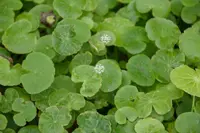
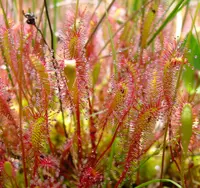
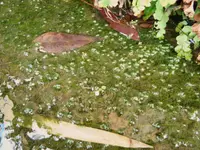
Carolina Redroot Care (Lachnanthes caroliniana)

Carolina Redroot

About Carolina Redroot

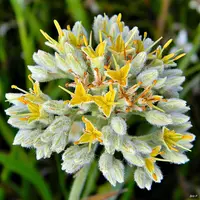
Carolina redroot, Lachnanthes caroliniana, is a moisture-loving perennial native to wetlands, bogs, and marshy edges in eastern North America. It forms clumps of grass-like leaves from thick, red-tinged rhizomes. In summer it produces upright stems topped with small, fuzzy, creamy-white flower clusters that later turn reddish, adding subtle interest rather than bold color. This species prefers consistently damp, acidic, sandy or peaty soils and full sun to light shade. It suits naturalistic rain gardens or bog gardens where the soil does not dry out. For gardeners learning how to care for Carolina Redroot, the main challenges are providing enough moisture and the right soil conditions, not complex day-to-day maintenance.

Main Plant Requirements

Care Difficulty

Hard Care

Light Preference

Full Sun

Water Requirements

Aquatic

Temperature Preference

Cool Climate

Hardiness Zone

4–9

Soil Texture

Sandy, Peaty, Organic-rich

Soil pH

Strongly acidic (4.5–5.5), Acidic (5.5–6.5)

Soil Drainage

Waterlogged tolerant

Fertilization

Minimal (feed rarely)

Get Personalized Care Plan

Scan your plant to receive care tips personalized for your specific plant

Available on iOS and Android

How to Care for the Carolina Redroot

This wetland perennial prefers long hours of direct light but tolerates some shade in hot climates.

  • Provide 6–8 hours of sun, ideally full morning sun with light afternoon shade in hotter USDA zones 8–9.
  • In cooler regions, Carolina Redroot can grow in full sun all day, but leaf tips may scorch if combined with drought or reflected heat.
  • Avoid deep shade; stems stretch, flowering drops, and foliage becomes pale when it receives less than about 4 hours of direct sun.

This species is adapted to boggy, consistently moist to flooded conditions rather than drying cycles.

  • Aim for soil that stays saturated or very wet; in garden bogs, there should be no drying of even the top 1–2 cm.
  • Use slow-moving or still water conditions, such as pond margins or lined bog beds, with organic, mucky soil that resists draining quickly.
  • Signs of underwatering include wilting, browning leaf edges, and shrinking clumps; overwatering is rarely an issue if Lachnanthes caroliniana is kept in oxygenated, non-stagnant water.

This wetland plant grows best in mild to warm conditions and dislikes hard freezes.

  • Optimal growth occurs around 70–85°F (21–29°C), with strong rhizome expansion and flowering in consistently warm summers.
  • It can survive short dips near 25°F (−4°C) if rhizomes are insulated by water or thick mulch, but repeated hard frost damages foliage.
  • In hot spells above 90°F (32°C), maintain high moisture and, if possible, shallow standing water to buffer root temperature and prevent heat stress.

This wetland species prefers consistently high humidity and poorly tolerates dry air.

  • Aim for 60–90% humidity, similar to marsh or bog conditions, especially in heated or air-conditioned spaces.
  • Dry air causes leaf tip browning, slower growth, and increased spider mite risk on Carolina Redroot.
  • Increase humidity by grouping pots in large trays of water with raised grids or stones, or by placing containers at the edge of outdoor water features.

This species requires saturated, low-drainage, organic-rich soil that mimics a bog habitat.

  • Use a mix of roughly 60% peat or coco coir and 40% sand, with optional fine compost, to create a dense, moisture-holding substrate.
  • Choose soil that retains water to the point of being constantly wet or shallowly flooded, rather than freely draining like typical potting mixes.
  • Keep pH slightly acidic to neutral (about 5.5–7.0), which supports nutrient availability for Lachnanthes caroliniana in bog-style culture.
  • Avoid gravelly, fast-draining, or alkaline soils, since these dry too quickly and can cause root stress or dieback.

This bog plant can be grown in containers if the pot is managed as a permanently wet or shallowly flooded mini-bog.

  • Use a deep, heavy container that resists tipping when filled with saturated soil and water.
  • Select plastic or glazed ceramic pots rather than unglazed clay to reduce evaporation and keep the root zone constantly wet.
  • Stand the pot inside a larger outer tub or tray that can hold several centimeters of water to maintain a stable water level for growing Lachnanthes caroliniana.

This wetland perennial needs only light feeding when container-grown or in poor, depleted substrates.

  • Use a diluted balanced liquid fertilizer (for example 10-10-10 at 1/4 strength) for caring for Carolina Redroot in pots or artificial bogs.
  • Feed every 4–6 weeks during active growth in spring–summer if foliage looks pale or growth is weak.
  • Avoid fertilizing in fall–winter when growth slows or plants are dormant to prevent soft, frost-tender tissue.
  • Prefer low-salt options like compost extract or slow-release pellets, as high nutrients can harm associated wetland microbiology.

Pruning needs for Lachnanthes caroliniana are minimal and focus on cleanliness rather than shaping.

  • Cut back dead or damaged leaves and flower stalks at the base in late fall or very early spring.
  • Use clean, sharp scissors or hand pruners to limit tissue tearing and disease entry points.
  • Remove crowded, yellowing foliage to improve air flow and reduce fungal problems in dense plantings.
  • Avoid heavy cutting into healthy green growth, as this species does not require shaping for normal flowering.

This bog plant is more often transplanted in wetland beds or bog gardens than grown as a standard potted specimen.

  • Look for signs like tightly circling roots, stunted growth, or a clumping rhizome crowding the container or pond basket.
  • Plan division and transplanting in early spring as new shoots emerge, when recovery is fastest.
  • Every 2–3 years, lift the clump, gently tease apart rhizomes, and replant into fresh, acidic, constantly moist medium.
  • Keep roots shaded and moist during the move, then water thoroughly to settle soil and reduce transplant shock.

Lachnanthes caroliniana is commonly propagated by seed and by division of its rhizomatous clumps.

  • Divide established clumps in early spring, separating rhizomes with at least 1–2 healthy buds each.
  • Replant divisions into acidic, water-retentive soil kept consistently wet, then shade lightly until strong new growth appears.
  • Sow fresh seed on the surface of moist, sandy peat mixes and do not allow the substrate to dry.
  • Maintain cool to mild temperatures and bright, indirect light, as fluctuating moisture or heat reduces germination.

This species is hardy in many temperate wetland climates and usually needs little winter attention in the ground.

  • In regions colder than its normal range, add a 5–8 cm layer of mulch over the rhizome zone after soil cools.
  • Leave dead foliage standing until late winter to add some insulation around the plant base.
  • For container-grown plants, sink pots into the ground or move them into an unheated but frost-free space.

Care Tips

Aquatic Containment

Grow this bog species in a wide, shallow container or lined trench sunk into the ground to keep its aggressive rhizomes from spreading into neighboring beds while still allowing a saturated root zone.

Rhizome Division Timing

Divide clumps only in late winter or very early spring, lifting and cutting rhizomes into sections with at least 2–3 growth buds, then replanting them immediately into wet soil so they do not dry out.

Water Table Management

In constructed bogs or water gardens, use an overflow pipe or adjustable standpipe to hold water at a consistent 2–8 cm above the soil surface during the growing season to mimic its natural marsh habitat.

Controlled Naturalization

To allow a naturalistic colony without losing control, designate a dedicated wet area, plant at the center, and install a buried root barrier 30–40 cm deep around the perimeter to limit long-term spread when growing Carolina Redroot.

Winter Bog Care

In colder regions, leave hardy rhizomes in place but reduce water depth in outdoor containers to just above the soil surface in late fall to prevent ice from heaving and damaging the crown.

Common Pests and Diseases

Leaf spot

Symptoms include small brown to black lesions on leaves that may merge into larger dead patches, often starting on older foliage in warm, wet conditions.

Solution

Remove and discard affected leaves, avoid overhead watering, and keep foliage as dry as possible. Improve spacing and airflow, and if the problem persists in a wetland garden, apply a labeled broad-spectrum fungicide to the foliage during extended humid or rainy periods.

Rust fungus

This disease causes orange to reddish-brown pustules or powdery spots on leaf undersides, sometimes leading to yellowing and premature leaf drop.

Solution

Cut and dispose of heavily infected leaves to reduce spore load and avoid splashing water from infected to healthy plants. In plantings where rust recurs, use a sulfur or copper-based fungicide labeled for ornamental perennials, rotating products if treatments are repeated in one season.

Rhizome rot

Symptoms include yellowing and collapse of foliage, with rhizomes becoming soft, discolored, and foul-smelling in poorly drained or stagnant conditions.

Solution

Improve water movement so the substrate is wet but not anaerobic, and remove and discard all soft, decayed rhizome sections. Replant only firm, healthy rhizomes into clean, low-organic, acidic substrate, and avoid deep burial that restricts oxygen around the rhizomes when trying to grow Lachnanthes caroliniana in constructed wetlands or containers.

Leaf-chewing caterpillars

These insects create irregular holes or notches in leaves and can quickly strip foliage in sunny, open wetland plantings.

Solution

Handpick caterpillars where practical and remove nearby weeds that may host larvae. In larger stands, a targeted application of Bacillus thuringiensis (Bt) to the foliage in late afternoon helps control young larvae while minimizing impacts on beneficial insects.

Aphids

This pest forms small clusters on young shoots and leaf bases, sucking sap and sometimes causing distorted growth or sticky honeydew on nearby foliage.

Solution

Rinse aphids off with a firm stream of water and, in dense plantings, encourage natural predators by limiting broad-spectrum insecticides. For persistent infestations, use an insecticidal soap or lightweight horticultural oil, applied in the early morning and repeated as needed according to label directions.

Interesting Facts

Red-staining root pigments

The thick rhizomes contain vivid red to orange anthraquinone pigments that easily stain hands and soil, a feature that inspired the common name Carolina redroot.

Specialist wetland species

This plant is strongly tied to acidic, nutrient-poor wetlands such as bogs and wet savannas, where it tolerates saturated, low-oxygen soils that stress many other species.

Fire-adapted growth

In fire-prone coastal plain habitats, its underground rhizomes can survive surface burns and resprout, helping it persist in frequently burned wetland ecosystems.

Botan icon

Did you know?

In some southeastern US wetlands, dense stands of this species can color the roots and even the lower plumage of foraging sandhill cranes and other wading birds with a faint reddish tint from its strong rhizome pigments.

FAQs about Carolina Redroot

This species spreads slowly to moderately through short rhizomes and seed, usually forming clumps rather than taking over large areas. In wet, open sites it can expand, but regular division and deadheading keep growth controlled.

Grow Healthy Plants with Botan Care

Keep your plants happy and healthy with plant identification, disease detection, and easy care guidance.

Botan plant care app — identify plants on mobile

Explore More Plants