sweetscented marigold Care (Tagetes lucida)

Also known as: Mexican Marigold, Mexican tarragon
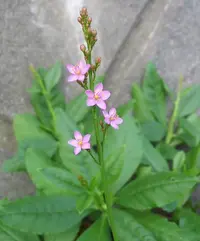
sweetscented marigold

About sweetscented marigold

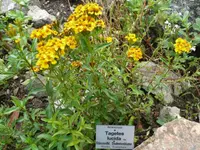
Sweetscented marigold (Tagetes lucida) is a compact, aromatic herb in the daisy family, valued for its fragrant leaves and small yellow flowers. It typically forms neat, upright clumps with narrow, glossy green foliage.

This species is native to Mexico and Central America, where it grows in sunny, well-drained sites. Its strong scent and relatively tough nature make it a practical choice for herb gardens and mixed borders.

Tagetes lucida is generally easy to grow if it receives plenty of light, moderate moisture, and soil that does not stay waterlogged. These traits make it straightforward to learn how to care for sweetscented marigold at home.

Main Plant Requirements

Care Difficulty

Easy Care

Light Preference

Full Sun

Water Requirements

Moderate Water

Temperature Preference

Tropical / Frost Sensitive

Hardiness Zone

8–11

Soil Texture

Sandy, Loamy, Organic-rich

Soil pH

Acidic (5.5–6.5), Slightly acidic (6.5–7.0)

Soil Drainage

Well-drained

Fertilization

Light (every 4–6 weeks)

Get Personalized Care Plan

Scan your plant to receive care tips personalized for your specific plant

Available on iOS and Android

How to Care for the sweetscented marigold

Tagetes lucida grows best with bright, direct sun but tolerates some light shade.

  • Provide 6–8 hours of direct sun daily; morning sun with light afternoon shade reduces leaf scorch in hot climates.
  • Allow light dappled or filtered shade in regions with intense sun, as sweetscented marigold can wilt or bleach in harsh afternoon exposure.
  • In autumn and winter, maximize exposure by avoiding shade from buildings or trees, since low seasonal sun can reduce flowering and make plants leggy.

Water Tagetes lucida to keep the root zone evenly moist but never saturated.

  • Before watering, let the top 3–5 cm of soil dry; check with a finger rather than following a fixed calendar schedule.
  • Use well-drained soil so water runs through freely; soggy soil leads to yellowing leaves, soft stems, and root rot, while drooping, crisp leaves signal underwatering.
  • In hot, dry weather, expect to water more often, while in cooler seasons or after heavy rain, extend intervals to avoid prolonged wetness around the roots.

This species thrives in warm, frost-free conditions typical of mild to hot climates.

  • Aim for 70–85°F (21–29°C) for strongest growth and flowering; plants grow more slowly but survive at 60–70°F (16–21°C).
  • Protect from frost, as damage occurs near 32°F (0°C); repeated exposure below 28°F (−2°C) usually kills top growth and often the whole plant.
  • Tagetes lucida tolerates brief heat up to 95°F (35°C) if soil moisture is stable, but prolonged extremes above this can cause leaf scorch and reduced flowering.

This species handles a wide humidity range and rarely needs special humidity management when grown indoors or outdoors.

  • Ideal humidity is around 30–60%, similar to most heated or air-conditioned homes.
  • Leaves may droop slightly or develop crisp edges under very dry air combined with heat or intense sun.
  • If air is extremely dry, group sweetscented marigold with other plants or place the pot on a shallow pebble tray with water below the pot base.

This herb prefers moderately fertile, well-structured soil that drains freely yet holds some moisture.

  • Use a loose loam or sandy loam with 20–30% compost to provide nutrients and moderate water retention for Tagetes lucida.
  • Ensure sharp drainage by blending in perlite or coarse sand so that water passes through within a few seconds of watering.
  • Aim for slightly acidic to neutral pH, around 6.0–7.0, which supports nutrient availability without excess salt buildup.
  • Avoid heavy clay, compacted ground, or mixes dominated by fine peat that stay wet and airless around the roots.

This species is well suited to container growing on patios, balconies, and small outdoor spaces.

  • Choose a pot at least 20–25 cm deep so roots can anchor the upright stems and resist wind rock.
  • Use a slightly wider-than-deep container to support the spreading root system and reduce tipping in gusty conditions.
  • Select a breathable terracotta or fabric pot if outdoor rainfall is frequent, as these materials release excess moisture faster than plastic.

Balanced feeding supports steady growth and flowering in sweetscented marigold without creating lush, weak foliage.

  • Use a balanced liquid fertilizer (around 10-10-10) at 1/2 strength every 3–4 weeks during spring–early fall while the plant is actively growing.
  • Alternatively, top-dress with a thin layer of mature compost once or twice per growing season to supply slow, gentle nutrients.
  • If using slow-release granules, apply lightly at the start of the growing season following label rates and mix into the topsoil.
  • Reduce feeding to once during late fall or stop entirely in winter, especially for indoor plants under low light.

Thoughtful pruning keeps Tagetes lucida compact, bushy, and productive for both flowers and foliage.

  • Begin light pruning in spring, using clean, sharp scissors or hand pruners to avoid tearing stems.
  • Pinch or trim soft tips after each flush of growth to encourage branching and a fuller shape.
  • Remove dead, damaged, or crossing stems whenever noticed to maintain airflow and reduce disease risk.
  • Deadhead spent flower clusters through the growing season to promote continued blooming.

This species is often grown in garden beds, but container plants benefit from occasional repotting or careful transplanting.

  • Check for crowded roots circling the pot drainage holes, slow growth, or rapid drying soil as signs it needs a larger container.
  • Transplant or repot in spring after frost risk passes, typically every 1–2 years for actively growing plants.
  • Choose a pot only 2–5 cm wider, filled with well-drained potting mix, and plant at the same soil level as before.
  • Water thoroughly after moving, keep in bright but not harsh sun for 3–5 days, and avoid heavy feeding until new growth appears.

New Tagetes lucida plants are commonly raised from seeds and softwood cuttings under warm, bright conditions.

  • Sow seeds indoors in late winter–early spring at 65–75°F in a light, well-drained seed mix, just barely covered with medium.
  • Keep the medium evenly moist and provide bright light; germination usually occurs within 7–14 days.
  • Take 8–10 cm softwood cuttings in late spring–summer, remove lower leaves, and dip bases in rooting hormone.
  • Insert cuttings into moist, free-draining mix, cover with a clear dome or bag for humidity, and ventilate daily until roots form.

In mild climates this plant can be semi-evergreen, but it is sensitive to hard frost and benefits from simple winter precautions.

  • In regions below about 20–25°F, grow Tagetes lucida as an annual or lift key plants into pots before hard freezes.
  • Apply a 5–8 cm layer of dry mulch around the root zone in late fall to buffer soil temperature fluctuations.
  • For container plants, move pots indoors or into a frost-free greenhouse, placing them in bright light with slightly reduced watering.

Care Tips

Regular pinching

Pinch out the soft shoot tips every 2–3 weeks during active growth to keep plants compact, delay premature flowering, and encourage a bushy, high-yielding canopy of leaves for harvest.

Harvest timing

Harvest stems in the morning once dew has dried, choosing non-woody shoots with several pairs of leaves, which preserves essential oil content and encourages rapid regrowth from lower buds.

Successive sowing

Stagger sowings every 3–4 weeks from spring to midsummer so you always have young, leafy plants at peak flavor rather than a single flush that quickly goes to flower.

Companion placement

Position plants near tender herbs and vegetables outdoors, as their aromatic foliage can help reduce pressure from some soft-bodied pests without using chemical controls when growing sweetscented marigold.

Wintering strategy

In mild climates, mulch the root zone with 5–8 cm of loose organic material before the first frost, while in colder regions take cuttings in late summer and root them under protection to maintain a clone for next year.

Common Pests and Diseases

Spider mites

This pest often appears in hot, dry weather and feeds on leaf undersides, causing fine stippling, pale patches, and delicate webbing on Tagetes lucida foliage.

Solution

Rinse plants thoroughly with a strong but gentle stream of water, focusing on leaf undersides, then repeat every few days; if populations persist, apply insecticidal soap or a horticultural oil labeled for mites, and increase humidity and airflow around the plants to reduce stress.

Leaf miners

These insects tunnel within the leaves, creating winding, pale trails that can distort and weaken new growth, especially on container and indoor specimens.

Solution

Remove and dispose of mined leaves promptly to break the life cycle, then monitor new growth closely and use yellow sticky traps plus targeted applications of neem oil or insecticidal soap on young larvae as soon as fresh mines appear.

Botrytis blight

This disease develops in cool, humid, or overcrowded conditions, causing brown, water-soaked spots on leaves and flowers that may become covered with gray, fuzzy mold.

Solution

Prune and discard all affected plant parts, improve air circulation by spacing and thinning stems, keep foliage dry by watering at soil level, and, in persistent cases, apply a fungicide labeled for botrytis while adjusting conditions to stay drier and better ventilated.

Powdery mildew

This disease appears as white, powdery patches on leaves and stems, often during warm days with cool, humid nights, leading to yellowing and reduced vigor.

Solution

Remove heavily infected leaves, avoid overhead watering, and increase air movement; if needed, use a sulfur or potassium bicarbonate fungicide labeled for powdery mildew and keep the plant in full sun whenever possible to reduce recurrence while following standard Tagetes lucida care guidelines.

Interesting Facts

Anise-like aroma

The leaves release a distinct anise or licorice-like scent due to aromatic compounds such as estragole, which also give it a flavor similar to tarragon in cooking.

Daylength-sensitive flowering

This species is a short-day plant, meaning it typically initiates flowering when days become shorter in late summer to autumn, which influences when it naturally blooms outdoors.

Traditional ritual use

In parts of Mexico and Central America, the plant has long been used in religious and seasonal ceremonies, where its fragrant foliage is incorporated into offerings, decorations, and incense-like bundles.

Botan icon

Did you know?

Archaeobotanical and ethnobotanical records indicate that this species has been associated with Mesoamerican cultures since pre-Columbian times, where it held symbolic importance beyond its culinary and aromatic value, often linked to festivals honoring the dead and seasonal transitions.

FAQs about sweetscented marigold

The foliage and flowers are edible and often used fresh or dried for teas, seasoning, and herbal remedies. Use only unsprayed plants, harvest young leaves for best flavor, and introduce gradually if you have sensitive digestion.

Grow Healthy Plants with Botan Care

Keep your plants happy and healthy with plant identification, disease detection, and easy care guidance.

Botan plant care app — identify plants on mobile

Explore More Plants