Cat's Whiskers Care (Orthosiphon aristatus)

Also known as: Java Tea
Cat's Whiskers

About Cat's Whiskers

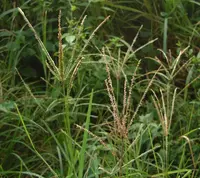
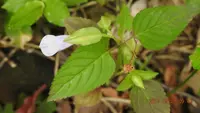
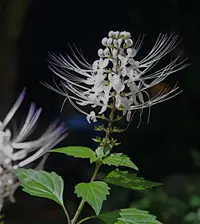
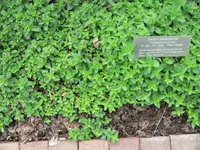
Cat's whiskers (Orthosiphon aristatus) is a tropical, upright, shrubby herb known for its tall flower spikes and long, white stamens that resemble a cat’s whiskers. It is commonly grown in Southeast Asia and other warm regions, both as an ornamental and as a traditional herbal plant.

The plant has glossy green leaves and can form a dense clump, making it suitable for borders or large containers. It tends to be fast-growing in warm conditions.

This species prefers bright light, consistent moisture, and well-drained, fertile soil. Once its basic needs are understood, it is relatively straightforward to care for Cat's Whiskers.

Main Plant Requirements

Care Difficulty

Moderate Care

Light Preference

Full Sun

Water Requirements

Regular Water

Temperature Preference

Tropical / Frost Sensitive

Hardiness Zone

10–11

Soil Texture

Sandy, Loamy, Organic-rich

Soil pH

Acidic (5.5–6.5), Slightly acidic (6.5–7.0)

Soil Drainage

Moist but well-drained

Fertilization

Light (every 4–6 weeks)

Get Personalized Care Plan

Scan your plant to receive care tips personalized for your specific plant

Available on iOS and Android

How to Care for the Cat's Whiskers

Orthosiphon aristatus grows best with bright, gentle sun that avoids harsh afternoon exposure.

  • Provide 4–6 hours of morning sun or bright filtered light; light afternoon shade helps prevent leaf scorch, especially in hot climates.
  • In very hot regions, protect Cat's Whiskers from direct sun after 1–2 p.m. to reduce wilting, leaf burn, and excessive water loss.
  • If stems become leggy and flowering decreases, the plant is not getting enough light; move it to a brighter spot or thin surrounding shade plants.

Orthosiphon aristatus prefers evenly moist, well-drained soil that never stays waterlogged.

  • Allow the top 2–3 cm of soil to dry before watering again; soil below should feel slightly damp but not soggy.
  • Increase watering in hot, active growth periods when leaves may droop slightly by late afternoon, and reduce in cooler months as growth slows.
  • Use soil rich in organic matter with good drainage; yellowing, soft stems suggest overwatering, while crisp, browning leaf edges indicate underwatering.

This species favors warm, frost-free conditions similar to a tropical or subtropical climate.

  • Aim for 70–85°F (21–29°C) for strongest growth; flowering and foliage are best when temperatures are consistently within this range.
  • Protect the plant from temperatures below 50°F (10°C); frosts can kill top growth and prolonged cold may damage roots.
  • It tolerates brief heat up to about 95°F (35°C) if soil moisture is maintained and roots are mulched, but extended extreme heat can slow growth and stress the plant.

This species prefers moderately moist air but adapts to typical indoor humidity if watering is consistent.

  • Aim for 50–70% humidity to support lush foliage and steady flowering.
  • Tolerates short periods of drier air, but prolonged <40% can crisp leaf edges and reduce vigor.
  • Increase humidity with a pebble tray under the pot or by grouping plants, rather than misting heavily.

Orthosiphon aristatus grows best in loose, moist, and well‑aerated soil that drains quickly yet holds some water.

  • Use a mix of 50–60% peat or coco coir, 20–30% compost, and 20–30% perlite or coarse sand for structure and drainage.
  • Aim for slightly acidic to neutral pH (6.0–7.0) to keep nutrients available and roots active.
  • In heavy native soil, incorporate coarse sand and perlite to improve pore space and prevent compaction around roots.
  • Avoid dense clay, waterlogged spots, and mixes with excessive fine peat that stay soggy after watering.

This species is well suited to container growing outdoors in warm seasons.

  • Select a pot wide enough for its spreading root system so foliage does not become root‑restricted and stressed in midsummer.
  • Choose a stable, heavier container if grown tall and bushy to prevent wind tipping in exposed locations.
  • Ensure large, unobstructed drainage holes so sudden downpours can exit quickly and not flood the root zone.

Orthosiphon aristatus responds well to modest, consistent feeding during the warm growing season.

  • Use a balanced, water‑soluble NPK fertilizer at half strength every 4–6 weeks from spring to early fall for Cat's Whiskers.
  • Alternatively, apply a light top‑dressing of compost or a mild slow‑release fertilizer at the start of the growing season.
  • Always water before and after feeding to reduce root burn and to distribute nutrients evenly.
  • Stop or reduce fertilization sharply in late fall and winter when growth slows.

Pruning helps Orthosiphon aristatus stay compact, bushy, and floriferous in home gardens.

  • Carry out main shaping and size control in late winter or very early spring before strong new growth starts.
  • Remove dead, damaged, or crossing stems with clean, sharp hand pruners to maintain airflow and reduce disease risk.
  • Pinch or trim soft tips after flowering flushes to encourage branching and more flower spikes.
  • Disinfect blades between plants and avoid cutting into very old, woody bases unless rejuvenation pruning is needed.

Container-grown plants and young outdoor clumps benefit from timely transplanting to maintain vigorous growth.

  • Repot when roots circle the pot, emerge from drainage holes, or growth slows despite good care, typically every 1–2 years.
  • Choose late spring or early summer, once weather is consistently warm, to move Orthosiphon aristatus to a slightly larger container or bed.
  • Handle the rootball gently, loosening only lightly matted outer roots to limit shock, and plant into free‑draining, humus‑rich soil.
  • Water thoroughly after transplanting, keep shaded for several days, and maintain even moisture until new growth resumes.

This species is commonly propagated to maintain desirable forms and renew aging clumps.

  • Take 8–12 cm softwood or semi‑ripe stem cuttings in late spring or summer, removing lower leaves.
  • Insert cuttings into a moist, free‑draining mix, keep at 70–80°F with bright, indirect light, and maintain high humidity.
  • Divide established outdoor clumps in warm spring, replanting sections with healthy shoots and roots immediately.
  • Sow fresh seeds on the surface of sterile mix in warm conditions, keeping evenly moist until germination.

Orthosiphon aristatus is frost sensitive and needs protection in regions with cold winters.

  • In mild climates, apply a 5–8 cm mulch layer around the root zone to buffer soil temperature and conserve moisture.
  • Cut back frosted top growth and keep crowns lightly mulched, avoiding direct contact with stems to limit rot risk.
  • Move container plants indoors or into a heated greenhouse before night temperatures drop near 40°F, providing bright light and reduced watering.

Care Tips

Regular stem renewal

Every 6–8 months, remove 1–3 of the oldest, woody stems at the base to encourage fresh, vigorous shoots that flower more heavily and stay compact.

Pinch for branching

Once stems reach 15–20 cm, pinch out the soft tip above a leaf node with clean fingers or shears to produce denser branching and more flower spikes over the season.

Timed tip cuttings

Take 8–10 cm softwood cuttings from non-flowering shoots just before peak warmth, root them in a loose, sterile medium, and use the young plants to replace tired, leggy clumps annually.

Flower spike management

As individual flower spikes finish, cut them back to just above a healthy leaf pair to extend the overall bloom period and reduce unnecessary seed production.

Container rotation strategy

When growing Cat's Whiskers in pots outdoors, rotate containers 90° every 1–2 weeks so stems do not lean and the plant builds an even, wind-resistant structure.

Common Pests and Diseases

Spider mites

This pest often appears in warm, dry conditions and feeds on the undersides of leaves, causing fine stippling and a dull, dusty look. Symptoms include thin webbing between stems and leaves and gradual yellowing or bronzing of foliage.

Solution

Rinse foliage thoroughly with a firm stream of water, focusing on leaf undersides, and repeat every few days for 1–2 weeks. For heavier infestations, use insecticidal soap or a ready-to-use horticultural oil, and raise ambient humidity while avoiding waterlogged soil as part of Orthosiphon aristatus care.

Aphids

These insects cluster on soft shoot tips and flower stalks, sucking sap and causing leaf curling, distortion, and sticky honeydew deposits. Sooty mold can grow on the honeydew, further reducing photosynthesis.

Solution

Pinch or prune heavily infested shoot tips and rinse plants under water to dislodge colonies. If needed, apply insecticidal soap or neem oil thoroughly to new growth and repeat at 5–7 day intervals until new flushes of growth remain clean.

Leaf spot

This disease causes small to medium brown or purplish lesions on leaves, sometimes with a yellow halo and occasional merging into larger dead patches. Symptoms include premature leaf drop, especially in dense, humid plantings.

Solution

Remove and discard affected leaves, avoid overhead watering, and water at soil level in the morning to let foliage dry quickly. Improve spacing and airflow around plants, and in persistent cases use a copper-based or other labeled ornamental foliar fungicide according to directions.

Powdery mildew

This disease shows as white or gray powdery patches on leaf surfaces, stems, and sometimes flower stalks, often in shaded or crowded plantings. Symptoms include distorted growth and reduced flowering when coverage is heavy.

Solution

Increase light and airflow, thin crowded stems, and avoid frequent light misting that keeps foliage damp. Remove the worst affected leaves and treat remaining foliage with a sulfur or potassium bicarbonate product labeled for ornamentals, applying at the first sign of new spots.

Interesting Facts

Distinct cat whisker stamens

The long, protruding white stamens of this species extend well beyond the petals and give the visual impression of a cat’s whiskers, a trait that has influenced its common names in many languages.

Mint family member

This species belongs to the Lamiaceae (mint) family and shares characteristic features such as square stems and opposite leaves, which help botanists identify it in the field.

Native Southeast Asian range

The plant is native to tropical regions of Southeast Asia and northern Australia, where it typically grows in open, humid habitats such as forest edges, clearings, and disturbed sites.

Botan icon

Did you know?

In several Southeast Asian countries, this species has been formally included in national or regional pharmacopoeias, which means its composition and quality parameters are described in official reference standards used by health authorities and researchers.

FAQs about Cat's Whiskers

This species can be grown indoors if it receives very bright light, warm temperatures, and good air movement. Cat's Whiskers indoor care is easier in a sunroom or bright conservatory than in a dim living room.

Grow Healthy Plants with Botan Care

Keep your plants happy and healthy with plant identification, disease detection, and easy care guidance.

Botan plant care app — identify plants on mobile

Explore More Plants