Ox Knee Care (Achyranthes bidentata)

Ox Knee

About Ox Knee

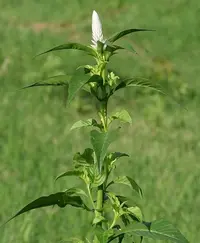
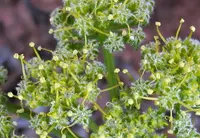
Achyranthes bidentata, commonly called ox knee, is a hardy perennial herb from East Asia, especially China, where it grows in fields, grasslands, and disturbed sites. It belongs to the amaranth family and typically forms upright stems with opposite leaves and small, inconspicuous flowers along slender spikes.

The roots are thick and fibrous, and the plant can spread by seed, forming loose clumps rather than tight mats. It is generally undemanding and adapts to a range of soils, which makes it relatively straightforward to care for Ox Knee in suitable climates.

This species usually prefers full sun to light shade and moderately moist, well-drained soil, performing best where winters are not extremely severe.

Main Plant Requirements

Care Difficulty

Moderate Care

Light Preference

Full Sun

Water Requirements

Moderate Water

Temperature Preference

Warm Climate

Hardiness Zone

7–10

Soil Texture

Loamy, Sandy, Organic-rich

Soil pH

Acidic (5.5–6.5), Slightly acidic (6.5–7.0)

Soil Drainage

Well-drained

Fertilization

Minimal (feed rarely)

Get Personalized Care Plan

Scan your plant to receive care tips personalized for your specific plant

Available on iOS and Android

How to Care for the Ox Knee

This species prefers bright conditions with some protection from harsh midday sun.

  • Provide 4–6 hours of direct morning sun with light afternoon shade; east or southeast exposure suits Ox Knee well in most climates.
  • Tolerates partial shade, but in less than 3–4 hours of direct or strong filtered light, stems may elongate and foliage color can fade.
  • In hot summers, use light shade cloth or dappled tree shade at midday to prevent leaf scorch, especially during dry, reflective conditions.

This plant grows best in evenly moist, well-drained soil that never stays waterlogged.

  • Water when the top 3–5 cm of soil feels dry, allowing deeper soil to stay slightly moist, especially during active growth in spring and summer.
  • Use soil with good drainage; pooling water around roots leads to yellowing leaves, soft stems, and potential rot in Achyranthes bidentata.
  • In cooler months or during slow growth, extend intervals between waterings; dry, drooping leaves signal underwatering, while limp, yellow leaves suggest excess moisture.

This species prefers mild to warm conditions with protection from frost and extreme heat.

  • Aim for 65–80°F (18–27°C) during active growth for strongest stems and foliage development.
  • Avoid temperatures below 40°F (4°C); light frost can damage leaves and repeated freezes may kill roots, especially in exposed sites.
  • In hot periods above 90°F (32°C), provide afternoon shade and consistent soil moisture to reduce stress and leaf scorch risk.

This species handles typical indoor humidity but benefits from slightly moist air in heated homes.

  • Aim for 40–60% humidity for balanced growth and to reduce leaf-edge browning.
  • Ox Knee tolerates brief dry indoor air but prolonged levels under 30% can cause crisping tips and slower growth.
  • Increase humidity by grouping pots, placing trays with water and pebbles nearby, or running a small humidifier in very dry rooms.

Achyranthes bidentata prefers loose, well-structured soil that holds some moisture yet drains freely.

  • Use a loamy, crumbly mix with moderate organic matter so roots get both air and steady moisture.
  • Provide fast drainage by combining roughly 2 parts all-purpose potting mix with 1 part coarse sand or perlite.
  • Aim for slightly acidic to neutral pH, around 6.0–7.0, avoiding strongly alkaline or saline conditions that restrict nutrient uptake.
  • Avoid dense clay, waterlogged spots, or heavily compacted beds; incorporate compost and coarse particles to improve aeration and structure.

This species is suitable for container growing when given a pot that drains quickly and is deep enough for its roots.

  • Choose a pot at least 25–30 cm deep so the taproot can extend without curling tightly at the bottom.
  • Select a slightly wider, heavier container to prevent tipping if stems become tall or bushy in windy locations.
  • Use a breathable material such as unglazed terracotta if overwatering is a risk, as it helps moisture evaporate from the root zone.

This perennial herb benefits from light, balanced feeding during active growth but does not need heavy fertilization.

  • Apply a balanced liquid fertilizer (for example 10-10-10) at half strength every 4–6 weeks in spring and summer for healthy Achyranthes bidentata growth.
  • Use a thin layer of compost around the root zone once in spring to support soil structure and slow nutrient release.
  • In containers, mix a small amount of slow-release fertilizer into fresh potting mix at the start of the growing season when caring for Ox Knee.
  • Stop feeding in fall and winter, when growth slows, to avoid weak, soft tissue.

This plant responds well to light, purposeful pruning that controls height and maintains a tidy shape.

  • In late winter or early spring, use clean, sharp scissors or hand pruners to remove dead, damaged, or diseased stems from Achyranthes bidentata.
  • Trim back leggy or crowded shoots by 1/3 to encourage bushier growth and stronger new stems.
  • Pinch soft tips during the growing season to keep plants compact and prevent flopping.
  • Cut back spent flowering stems to direct energy to root and leaf development.

This species is more often grown in the ground, but container plants and young stock benefit from thoughtful transplanting.

  • Check for roots circling the pot drainage holes, soil drying very fast, or slowed growth as signs a container plant needs a larger space.
  • Plan transplanting or repotting for spring, when active growth helps the root system recover more quickly.
  • For containers, move up only 1 pot size, handling the root ball gently and loosening tightly circling roots without tearing them.
  • Water thoroughly after transplanting Achyranthes bidentata, then keep soil slightly moist and shaded for a few days to reduce transplant shock.

This plant is commonly propagated by seed and softwood cuttings under warm, bright conditions.

  • Sow fresh seeds in spring in a well-drained, lightly firmed seed mix, covering them very lightly and keeping the medium evenly moist.
  • Maintain 68–75°F and bright, indirect light for steady germination, avoiding waterlogging, which can cause damping-off disease.
  • In late spring or early summer, take 8–10 cm softwood cuttings from non-flowering shoots of Achyranthes bidentata.
  • Insert cuttings into moist, free-draining media, optionally with rooting hormone, and cover with a vented dome or bag to keep high humidity.

This herbaceous species is moderately cold hardy and usually needs only simple winter care in temperate climates.

  • In regions colder than its usual hardiness range, apply a 5–8 cm mulch layer over the root zone after the ground cools but before deep frost.
  • Allow top growth of Achyranthes bidentata to die back naturally, then remove soft, rotting stems to reduce disease pressure.
  • For container plants in cold climates, move pots into a frost-free but cool, bright area and water sparingly over winter.

Care Tips

Root harvest timing

For medicinal or culinary use, schedule root lifting in late autumn of the second growth year, once top growth yellows, to ensure maximum root density and active compound concentration.

Sequential root lifting

Instead of pulling all plants at once, harvest the largest roots first and leave smaller, healthy plants spaced 15–20 cm apart to bulk up for a later secondary harvest.

Row marking strategy

Use low, durable markers at row ends noting sowing date and intended harvest year so multi-year stands are not mistakenly tilled, overcut, or replanted too early.

Targeted stand renewal

Every 3–4 years, rotate Ox Knee beds to a fresh area and sow new seed while gradually phasing out older, more disease-prone stands to keep productivity and root quality high.

Drying and storage

After washing harvested roots, slice them lengthwise to 3–5 mm thickness, dry in a single layer with strong air movement but no direct sun, then store in breathable paper or mesh bags in a cool, dark place to maintain potency and prevent mold.

Common Pests and Diseases

Leaf spot

Symptoms include brown to dark purple spots on leaves that may merge and cause partial leaf blight, especially in warm, humid weather.

Solution

Remove and discard heavily spotted leaves, avoid overhead watering, and keep foliage dry as much as possible. Improve spacing and airflow around plants, and if spotting progresses, apply a copper-based or chlorothalonil fungicide according to label directions during humid periods.

Southern blight

This disease causes sudden wilting, yellowing, and collapse of stems near soil level, often with white fungal growth and small tan sclerotia on the soil surface or lower stems.

Solution

Promptly remove and dispose of infected plants and surrounding surface soil, avoiding composting. Improve drainage, avoid overwatering, and, in high-pressure areas, use deep mulch barriers and rotate planting sites; in severe cases a soil-applied fungicide labeled for southern blight may be necessary.

Nematode damage

This disease presents as stunted growth, yellowing foliage, and poor vigor, often linked to microscopic root-knot or lesion nematodes feeding on roots.

Solution

Remove weak, heavily affected plants and solarize the soil if possible by covering moist soil with clear plastic for 4–6 weeks in the hottest part of summer. For long-term Achyranthes bidentata plant care in nematode-prone beds, use organic matter to improve soil health, rotate with nematode-suppressive cover crops, and consider growing in containers with clean, soilless mix.

Aphids

These insects cluster on young stems and leaf undersides, sucking sap and causing curling or distortion, sometimes leaving sticky honeydew that can attract sooty mold.

Solution

Spray colonies off with a firm stream of water, then spot-treat remaining clusters with insecticidal soap or neem oil, ensuring good coverage of undersides of leaves. Encourage natural predators such as lady beetles by limiting broad-spectrum insecticides and maintaining plant diversity nearby.

Leaf miners

This pest creates pale, winding tunnels inside leaves, which reduce photosynthesis and can make foliage look unsightly on ornamental plantings.

Solution

Remove and discard mined leaves promptly to reduce larvae and prevent adult emergence. For repeated infestations, use yellow sticky traps to monitor adult flies and apply a systemic or translaminar insecticide labeled for leaf miners early in the cycle, following label directions carefully.

Interesting Facts

Hooked seed dispersal

The plant produces hard, hook-bearing seeds that cling to animal fur and clothing, a mechanical dispersal strategy that helps it spread along paths and disturbed ground in East Asia.

East Asian medicinal model

Its roots are one of the classic ingredients in traditional East Asian herbal formulas, and the species is commonly used as a reference material in pharmacognosy research on saponins and other bioactive compounds.

Distinctive jointed stems

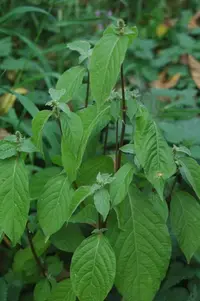
Mature plants develop stiff, often reddish, distinctly jointed stems with opposite leaves, which help botanists distinguish it from similar Amaranthaceae species in fields and herbal markets.

Botan icon

Did you know?

Dried root material of this species is so standardized in East Asian commerce that it is traded internationally under dedicated pharmacopoeial names, and many national pharmacopeias include detailed identity tests specifically for its roots to prevent adulteration with other Achyranthes species.

FAQs about Ox Knee

The roots are traditionally used in East Asian herbal medicine and are considered edible when correctly identified, harvested, and prepared. Leaves and stems are not commonly eaten. Avoid wild harvesting unless guided by a skilled professional.

Grow Healthy Plants with Botan Care

Keep your plants happy and healthy with plant identification, disease detection, and easy care guidance.

Botan plant care app — identify plants on mobile

Explore More Plants