Mongolian Dandelion Care (Taraxacum mongolicum)

Mongolian Dandelion

About Mongolian Dandelion

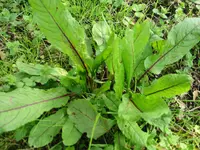
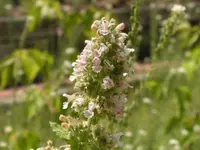
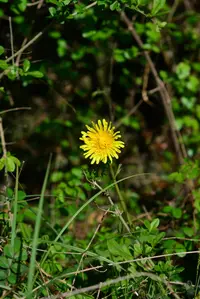
Mongolian dandelion, Taraxacum mongolicum, is a hardy perennial herb in the daisy family, forming low rosettes of toothed leaves and bright yellow flower heads. It closely resembles the common dandelion but usually has narrower leaves and a more delicate look.

This species is native to East Asia, especially Mongolia, China, and surrounding regions, where it grows in grasslands, disturbed soils, and open sunny sites. It is generally easy to grow, as it tolerates poor soils and variable moisture, making it adaptable in many garden settings.

Those who care for Mongolian Dandelion usually provide full sun, moderately moist but well-drained soil, and avoid heavy competition from taller plants.

Main Plant Requirements

Care Difficulty

Easy Care

Light Preference

Full Sun

Water Requirements

Moderate Water

Temperature Preference

Cold Hardy

Hardiness Zone

3–8

Soil Texture

Sandy, Loamy, Silty

Soil pH

Slightly acidic (6.5–7.0), Neutral (7.0)

Soil Drainage

Well-drained

Fertilization

Minimal (feed rarely)

Get Personalized Care Plan

Scan your plant to receive care tips personalized for your specific plant

Available on iOS and Android

How to Care for the Mongolian Dandelion

This species prefers open, bright conditions to fuel active leaf and flower production.

  • Provide 6–8 hours of direct sun daily; full sun suits field or garden plantings, while light afternoon shade is helpful in hot, dry regions.
  • Mongolian Dandelion tolerates partial shade (around 3–4 hours sun), but flower density and leaf vigor decline as shade increases.
  • Watch for pale, elongated leaves as a sign of insufficient light, and for scorched, crispy leaf edges in intense midsummer sun, especially on dry soils.

Taraxacum mongolicum prefers evenly moist, not saturated, soil that supports its deep taproot.

  • Water when the top 3–5 cm of soil feel dry, allowing deeper soil to stay slightly moist; avoid letting the area stay soggy for more than a day.
  • Ensure sharply drained soil or raised beds so excess water runs off, reducing root rot risk and limiting fungal leaf problems.
  • In cool spring and fall, reduced evaporation means less frequent watering, while in hot, windy summer conditions, wilting leaves and limp petioles indicate the need for a thorough soak.

This hardy perennial tolerates a wide temperature range but grows best in cool to mild conditions.

  • Optimal growth occurs around 55–75°F (13–24°C), when leaves form compact rosettes and flowering is most consistent.
  • Plants tolerate light frost down to about 20–25°F (-6 to -4°C), dying back aboveground in colder spells but usually resprouting from the crown in spring.
  • In hot spells above 85–90°F (29–32°C), growth slows and leaves may become bitter; mulching and soil moisture help reduce heat stress and bolting.

Humidity is rarely a limiting factor for Taraxacum mongolicum in home or garden conditions.

This species prefers loose, well-drained mineral soils that allow its taproot to develop deeply.

  • Use a sandy or loamy mix with 30–50% mineral material (sand or fine grit) and 20–30% compost for nutrients.
  • Aim for slightly acidic to neutral pH around 6.0–7.2, avoiding highly acidic or strongly alkaline substrates.
  • Ensure rapid drainage by avoiding clay-heavy or compacted ground; raised beds or berms help where soil stays wet.
  • Loosen soil 20–30 cm deep before sowing to improve aeration and prevent waterlogging around the taproot.

This species is suitable for container growing when the pot supports its deep taproot and free drainage.

  • Choose a container at least 20–25 cm deep so the taproot can grow straight without curling tightly at the base.
  • Use a heavier or wider pot outdoors to prevent wind tipping as the foliage rosette becomes broad and top-weighted.
  • Elevate the pot slightly on feet or bricks so drainage holes stay clear and excess water exits quickly after rain or watering.

This hardy wild perennial generally thrives in average soil and usually needs no fertilizer.

Taraxacum mongolicum needs only light, functional pruning to tidy growth and manage seeding.

  • Cut spent flower stalks at the base during spring–summer to limit self‑seeding.
  • Remove yellowing or damaged leaves with clean scissors to reduce disease risk.
  • Clip back overly dense rosettes to improve airflow and keep foliage low and even.

This species is more often transplanted in the ground than grown long term in containers due to its strong taproot.

  • Transplant in early spring or early autumn when temperatures are mild and soil is moist.
  • Move plants only when necessary, as the deep taproot resents disturbance and may slow growth.
  • Lift with a narrow trowel, keeping as much taproot and surrounding soil intact as possible.
  • Water thoroughly after transplanting and shade lightly for a few days to limit transplant shock.

Seed propagation is the standard method for increasing Taraxacum mongolicum in gardens or trials.

  • Collect mature seed heads and sow fresh seed in late summer or early spring.
  • Use shallow trays or open ground with loose, well‑drained soil and a fine surface texture.
  • Press seeds lightly onto the surface; do not bury deeply since light supports germination.
  • Maintain even moisture and moderate temperatures (55–70°F) until seedlings establish rosettes.

This hardy perennial tolerates typical outdoor winter conditions in most temperate climates and needs minimal care.

  • In cold regions, a light 2–3 cm mulch over the crown can reduce freeze–thaw stress.
  • Avoid waterlogged soil in winter, which can damage the taproot despite good frost tolerance.
  • Container-grown plants in very cold zones can be overwintered in a cold, bright, frost-free space.

Care Tips

Leaf harvest timing

Harvest outer leaves in the cool morning once they reach 8–12 cm, leaving the inner rosette intact so the plant can keep producing fresh foliage over several weeks.

Flower bud management

Pinch off developing flower buds on selected plants to keep leaf flavor milder and extend the vegetative phase, while allowing a few plants to flower separately for seed saving.

Seed collection control

Bag a few seed heads with fine mesh or paper bags just before they turn fluffy to collect clean seed for future sowings while preventing uncontrolled self-seeding across the garden.

Targeted blanching

For milder leaves, loosely cover a well-established rosette with an opaque pot or cardboard collar for 7–10 days before harvest, ensuring good ventilation to avoid rot and checking soil moisture regularly.

Low-input stand renewal

Every 2–3 years, thin crowded patches and lightly cultivate the top 2–3 cm of soil to reduce weed pressure and encourage stronger new rosettes, which supports more uniform growth when growing Mongolian Dandelion.

Common Pests and Diseases

Aphids

This pest feeds on tender leaves, flower stalks, and buds, sucking sap and causing curling, distortion, and sticky honeydew on Mongolian dandelion foliage.

Solution

Spray plants with a strong stream of water to dislodge colonies, then treat remaining clusters with insecticidal soap or a neem oil solution, repeating every 5–7 days until populations drop; remove heavily infested flower stalks to reduce reinfestation and to support Taraxacum mongolicum plant care in open garden beds or containers.

Powdery mildew

This disease appears as white, powdery patches on leaves, especially in warm days and cool, humid nights, leading to reduced vigor and early leaf decline.

Solution

Improve air circulation by thinning crowded plants and avoiding overhead watering, then treat affected foliage with a sulfur-based or potassium bicarbonate fungicide labeled for edibles, removing the most infected leaves to slow spread.

Leaf spot

This disease causes small brown to dark-purple spots on leaves that may merge into larger blotches, reducing photosynthetic area and making the rosette look patchy and weak.

Solution

Remove and discard spotted leaves to reduce inoculum, water at the base to keep foliage dry, and if the problem persists, apply a copper-based fungicide according to label directions, especially in wet, cool periods.

Cutworms

These insects are night-feeding caterpillars that chew through young stems at the soil line, causing sudden wilting and collapse of seedlings or newly established rosettes.

Solution

Place collars made from stiff cardboard or plastic around young plants, hand-pick caterpillars at night using a flashlight, and keep the soil surface free of dense plant debris where cutworms hide during the day.

Root-knot nematodes

This pest lives in the soil and causes swollen galls on roots, leading to stunted growth, yellowing leaves, and reduced leaf and flower production.

Solution

Rotate Mongolian dandelion with non-host crops or resistant cover crops, incorporate organic matter to support beneficial soil organisms, and in heavily infested beds consider solarizing the soil in hot months by covering moist ground with clear plastic for 4–6 weeks to reduce nematode populations.

Interesting Facts

Adapted to Steppe Climates

This species is native to East Asian steppe and meadow habitats and shows good tolerance to both seasonal cold and periodic summer drought, more so than many common lawn dandelions.

Important For Early Pollinators

In parts of northern China and Mongolia, its early spring flowering provides one of the first nectar and pollen sources for wild bees and other insects emerging from winter dormancy.

Edible Wild Vegetable

In several East Asian regions, young leaves and flower buds of this species are traditionally harvested as a wild edible green and are commonly blanched or boiled to reduce bitterness before use.

Botan icon

Did you know?

In China and neighboring regions, this species has been used as a documented source of inulin-rich taproots, and its consistent chemistry and widespread availability have led to its selection as a standard material in pharmacopoeias and quality-control research rather than using mixed dandelion species.

FAQs about Mongolian Dandelion

All above-ground parts are edible when harvested from clean, unsprayed areas. Young leaves suit salads, older leaves are better cooked, and roots are often dried or roasted. Always confirm identification and avoid polluted roadsides or treated lawns.

Grow Healthy Plants with Botan Care

Keep your plants happy and healthy with plant identification, disease detection, and easy care guidance.

Botan plant care app — identify plants on mobile

Explore More Plants