Dicliptera peruviana Care

About Dicliptera peruviana

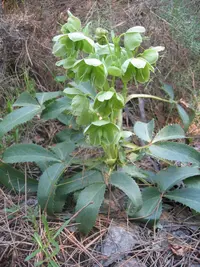
Dicliptera peruviana is a small, shrubby perennial from the Acanthaceae family, valued mainly for its bright tubular flowers and dense foliage. It is often grown as an ornamental in warm climates or as a seasonal container plant in cooler regions.

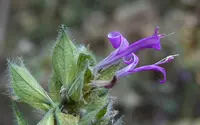
This species typically forms a compact bush with narrow green leaves and showy orange to reddish blooms that attract hummingbirds and other pollinators. It comes from tropical areas of South America, where conditions are warm and humid.

In cultivation it is considered moderately easy, provided it receives consistent warmth, good light, and well-drained but evenly moist soil. Gardeners who understand how to care for Dicliptera peruviana usually find it adapts well to beds, borders, and large pots.

Main Plant Requirements

Care Difficulty

Moderate Care

Light Preference

Partial Sun

Water Requirements

Moderate Water

Temperature Preference

Tropical / Frost Sensitive

Hardiness Zone

10–11

Soil Texture

Loamy, Sandy, Organic-rich

Soil pH

Acidic (5.5–6.5), Slightly acidic (6.5–7.0)

Soil Drainage

Moist but well-drained

Fertilization

Light (every 4–6 weeks)

Get Personalized Care Plan

Scan your plant to receive care tips personalized for your specific plant

Available on iOS and Android

How to Care for the Dicliptera peruviana

This species prefers bright conditions with some protection during the hottest part of the day.

  • Provide 4–6 hours of direct morning sun with light afternoon shade; strong midafternoon sun can scorch leaves, especially in hot, dry climates.
  • Plant where it receives bright, filtered light or high open shade for the rest of the day; dense shade leads to weak, leggy growth and fewer flowers in Dicliptera peruviana.
  • In summer, monitor for leaf curl, bleaching, or crispy edges as signs of too much sun, and in cloudy or short winter days, expect slower growth and reduced blooming.

This plant prefers evenly moist, well-drained soil that never stays saturated for long periods.

  • Water when the top 3–5 cm of soil feels dry, soaking the root zone thoroughly, then allow excess to drain away to prevent root rot.
  • Use a free-draining soil or bed with added organic matter; standing water or heavy clay encourages yellowing leaves, soft stems, and fungal problems in Dicliptera peruviana.
  • In hot, dry weather, expect to water more often as leaves may soften or slightly droop; in cool or rainy seasons, extend intervals and watch for mushy, dark roots as an overwatering warning.

This species grows best in warm, frost-free conditions with mild seasonal variation.

  • Aim for daytime temperatures of 65–80°F (18–27°C) for strong growth and flowering, allowing slightly cooler nights to support normal development.
  • Protect from frost; growth stops and tissue damage occurs close to 32°F (0°C), with many plants killed if exposed for more than a brief light freeze.
  • In hotter regions, plants tolerate short periods up to about 95°F (35°C) if soil moisture is consistent, but prolonged extreme heat can cause leaf scorch, slower growth, and earlier flowering decline.

This species prefers moderate air moisture and benefits from slightly elevated humidity in dry homes.

  • Aim for 40–60% humidity, which is usually attainable in most living spaces without special equipment.
  • Tolerates short dry spells but leaf edges may brown and curling can appear if air stays very dry near heating or AC vents.
  • Increase humidity by grouping plants, placing the pot on a pebble tray with water below the base, or using a small room humidifier.

Dicliptera peruviana grows best in loose, well-drained, organic-rich soil that still holds moderate moisture.

  • Use a loamy mix made from 2 parts all-purpose potting mix, 1 part compost, and 1 part perlite or coarse sand for aeration.
  • Ensure water drains through within a few seconds; soil that stays waterlogged after rain or watering encourages root rot.
  • A slightly acidic to neutral pH around 6.0–7.0 suits this plant and helps nutrient uptake remain stable.
  • Avoid heavy clay that compacts, as reduced pore spaces limit oxygen around roots and slow top growth.

This species is well suited to container growing on patios, balconies, or near sunny outdoor walls.

  • Choose a broad, moderately deep pot to give its spreading root system room while keeping the plant base stable in wind.
  • Select a container material that matches your climate, such as terracotta for drier conditions or plastic where water evaporates very fast.
  • Raise the pot slightly on feet or bricks so drainage holes stay clear and excess water can escape quickly after rainfall or irrigation.

Nutrient inputs support strong flowering and foliage in Dicliptera peruviana, especially in containers.

  • Use a balanced liquid fertilizer (around 10-10-10 or 20-20-20) diluted to 1/2 strength every 4–6 weeks in spring and summer.
  • For in-ground plants, work a light layer of compost into the topsoil once each spring.
  • Avoid heavy feeding in fall and winter; stop or reduce to 1/4 strength if growth slows.
  • Flush pots with plain water a few times during the growing season to reduce salt buildup.

Thoughtful pruning keeps Dicliptera peruviana compact, bushy, and flowering well.

  • Time main pruning for late winter or early spring before vigorous new growth starts.
  • Remove dead, damaged, or crossing stems with clean, sharp hand pruners to reduce disease risk.
  • Lightly shorten leggy shoots by 1/3 to encourage branching and denser foliage.
  • Deadhead spent flower clusters in the growing season to extend the blooming period.

Container and garden plants benefit from timely repotting or transplanting to maintain healthy root growth.

  • Check for roots circling the pot, pushing from drainage holes, or unexplained slow growth as signals to repot Dicliptera peruviana.
  • Plan repotting or outdoor transplanting for spring, typically every 2–3 years for potted plants.
  • Move into a container 2–5 cm wider, using a free-draining soil mix and firming gently around the root ball.
  • Water thoroughly after moving, then keep in bright, indirect light for several days to limit transplant shock.

This species is commonly multiplied by softwood cuttings and seeds under warm conditions.

  • Take 7–10 cm softwood stem cuttings from non-flowering shoots of Dicliptera peruviana in late spring or early summer.
  • Remove lower leaves, dip the base in rooting hormone, and place cuttings in a moist, well-drained medium under high humidity.
  • Keep rooting trays at 70–75°F with bright, indirect light to support quick root formation.
  • Sow fresh seed on the surface of a light mix, barely cover, and maintain steady warmth and slight moisture until germination.

This plant is frost sensitive and needs protection in regions with cold winters.

  • In climates below about 30°F, treat Dicliptera peruviana as a tender perennial or container plant.
  • Move pots indoors or into a frost-free greenhouse before the first hard frost.
  • Outdoors in mild areas, apply a 5–8 cm mulch layer around the root zone, keeping it slightly away from stems.
  • Reduce watering in winter so the soil stays lightly moist, not wet, to limit root rot risk.

Care Tips

Pinch For Bushiness

Lightly pinch back soft shoot tips in late spring and midsummer to encourage branching and a denser flowering canopy rather than tall, open stems.

Rotating Container Placement

If grown in a pot, rotate the container 90° every 1–2 weeks during active growth so stems do not lean and the plant develops an even, self-supporting framework.

Seasonal Hard Cutback

In mild climates, plan one hard cutback to 15–20 cm above ground at the end of winter to remove woody, tired growth and stimulate a flush of vigorous new flowering stems.

Targeted Pest Monitoring

Inspect the undersides of leaves and young shoot tips every 1–2 weeks in warm weather for whiteflies, spider mites, and aphids, and treat early with insecticidal soap or horticultural oil before colonies expand.

Staggered Rejuvenation Pruning

In larger clumps, cut back only one-third of the oldest stems at a time every few months so the plant keeps blooming while still undergoing gradual renewal, which is particularly useful when caring for Dicliptera peruviana in landscape beds.

Common Pests and Diseases

Whiteflies

This pest often builds up on the undersides of leaves in warm, sheltered spots, sucking sap and causing leaf yellowing and sticky honeydew. Symptoms include weakened growth and sooty mold developing on the sugary deposits.

Solution

Shake foliage to check for small white insects, then reduce numbers by hosing plants with a firm water spray and removing heavily infested leaves. Use yellow sticky traps to monitor, and if needed apply insecticidal soap or horticultural oil to the leaf undersides every 7–10 days until populations are controlled.

Spider mites

These insects thrive on dicliptera in hot, dry conditions, causing fine stippling on leaves, dull foliage, and fine webbing between stems and leaves. Symptoms include slow growth and premature leaf drop when infestations are heavy.

Solution

Increase humidity around the plant, regularly rinse foliage with water, and remove the worst-affected leaves. For ongoing control, apply insecticidal soap or a light horticultural oil to both upper and lower leaf surfaces, repeating every 5–7 days until new growth appears clean; improving airflow and avoiding very dry air also helps prevent recurrence, especially in Dicliptera peruviana indoor care situations.

Leaf spot

This disease produces small brown, tan, or purplish spots that may enlarge and merge, causing leaves to yellow and drop. Symptoms include more severe spotting on lower, older leaves, especially in warm, humid, crowded plantings.

Solution

Promptly remove and discard affected leaves and avoid overhead watering to keep foliage as dry as possible. Improve spacing and airflow, water at the base in the morning, and if spotting continues, apply a broad-spectrum fungicide labeled for ornamental shrubs according to label directions.

Powdery mildew

This disease appears as a white or gray powdery film on upper leaf surfaces and young shoots, often after periods of warm days and cool, humid nights. Symptoms include distorted new growth and reduced flowering when coverage is heavy.

Solution

Thin dense growth to improve light and air movement, then remove and discard badly affected shoots. Water at the soil level, avoid excess nitrogen fertilizer, and use a registered fungicide such as potassium bicarbonate, sulfur, or a myclobutanil-based product if new leaves continue to emerge with powdery coating.

Interesting Facts

Hummingbird nectar source

In its native Andean range, the shrub’s tubular red flowers function as a reliable nectar source for several hummingbird species, which are its primary pollinators and are attracted to the flower shape and color.

Seasonal flowering pattern

In mild climates it often flowers over an extended warm season rather than a short, synchronized bloom, providing a long, continuous resource for pollinators in gardens and natural habitats.

Preference for cool nights

This species originates from higher-elevation regions of Peru and nearby areas, so it tends to grow best where days are warm but nights cool down, rather than in constantly hot, lowland conditions.

FAQs about Dicliptera peruviana

This species is valued for tubular, nectar-rich flowers that draw hummingbirds, butterflies, and various bees. In suitable climates it can support local pollinator activity across a long blooming season, especially when planted in sunny, sheltered garden beds.

Grow Healthy Plants with Botan Care

Keep your plants happy and healthy with plant identification, disease detection, and easy care guidance.

Botan plant care app — identify plants on mobile

Explore More Plants