Pedicularis roylei Care

About Pedicularis roylei

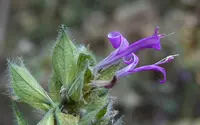
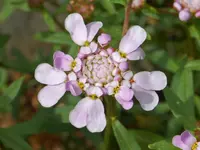
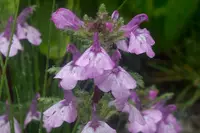
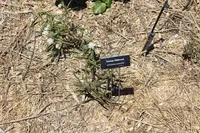
Pedicularis roylei is a small alpine herb best known from high-mountain meadows and open slopes in the Himalayas. It forms low clumps with finely divided, fern-like leaves and showy spikes of tubular, usually pink to purple flowers.

This species is a root hemiparasite, meaning it taps into nearby plant roots for water and nutrients while still performing some photosynthesis. Because of this dependency, it is challenging to grow away from its natural habitat.

Successful cultivation typically requires cool conditions, consistently moist but well-drained, humus-rich soil, and suitable host plants nearby. Gardeners who want to learn how to care for Pedicularis roylei usually need to replicate its cool alpine meadow environment as closely as possible.

Main Plant Requirements

Care Difficulty

Hard Care

Light Preference

Partial Shade

Water Requirements

Keep Soil Moist

Temperature Preference

Cool Climate

Hardiness Zone

5–8

Soil Texture

Loamy, Silty, Organic-rich

Soil pH

Acidic (5.5–6.5)

Soil Drainage

Moist but well-drained

Fertilization

Minimal (feed rarely)

Get Personalized Care Plan

Scan your plant to receive care tips personalized for your specific plant

Available on iOS and Android

How to Care for the Pedicularis roylei

This mountain species prefers cool, bright conditions with gentle sun exposure.

  • Provide 3–5 hours of soft morning sun with light shade or dappled light during harsh midday and afternoon hours.
  • Site Pedicularis roylei where it receives bright, open sky or filtered light; avoid intense, reflective heat from rock or pavement that can scorch foliage.
  • In hotter summers, increase shade to bright dappled conditions, while in cooler or cloudy climates allow more direct morning sun to maintain compact, healthy growth.

This plant benefits from consistently moist, cool soil without becoming waterlogged.

  • Aim to keep the top 1–2 cm of soil just moist; allow only the surface to begin drying before watering again, especially during active growth.
  • Use a humus-rich, well-drained soil; pooling water around roots or a sour smell indicates poor drainage and a risk of rot in Pedicularis roylei.
  • In cooler seasons, reduce frequency if soil stays damp for more than 2–3 days, but never let the root zone dry out completely or leaves may wilt and brown at the tips.

This high-altitude species prefers cool to mild temperatures and dislikes extremes.

  • Ideal growing temperatures are 50–68°F (10–20°C), with cooler nights that mimic its natural mountain habitat.
  • Plants tolerate brief drops to about 32°F (0°C), but hard frost below this, especially without snow cover, can damage tender shoots and flower buds.
  • Heat above 77°F (25°C) stresses the plant; provide extra shade, mulch the root zone, and ensure soil stays cool and moist during hot spells.

This alpine hemiparasitic species prefers cool, moderately moist air rather than high household humidity.

  • Target 40–60% humidity, similar to average indoor levels, and prioritize consistently moist but not waterlogged soil over air moisture tweaks.
  • Tolerates short spells of drier air if roots remain cool and hydrated, but combined heat and low humidity can speed wilting.
  • Watch for limp foliage and rapid midday droop as signs of moisture stress, and use grouped pots or a nearby open tray of water to slightly boost local humidity.

Soil for Pedicularis roylei should mimic cool, moist mountain meadow conditions with steady moisture and sharp drainage.

  • Use a loose, humus-rich loam with 30–50% mineral grit (coarse sand and fine gravel) to keep roots aerated and prevent compaction.
  • Aim for slightly acidic to neutral pH, roughly 5.8–7.0, avoiding strongly alkaline mixes that restrict nutrient uptake.
  • Blend well-rotted leaf mold or compost with sandy garden soil, then add coarse sand or fine grit until water drains through within a few seconds.
  • Avoid dense clay, peat-only mixes, or any medium that stays saturated, since prolonged waterlogging quickly leads to root decline in this hemiparasite.

This species is only moderately suitable for container culture and does best in deep, cool, outdoor pots that mimic meadow conditions.

  • Select a tall, narrow container to provide a deep, cool root zone and reduce rapid surface drying in sun and wind.
  • Use a heavy, thick-walled pot material such as clay or stone to buffer temperature swings and stabilize the relatively tall flower stems.
  • Combine multiple compatible host plants in the same pot so the hemiparasitic roots can tap nearby root systems and maintain vigor when you grow Pedicularis roylei.

This alpine hemiparasitic wildflower is adapted to low-nutrient soils and usually needs no fertilizer in garden settings.

This species needs minimal pruning, mainly to keep plants tidy and reduce disease risk after flowering.

  • Cut back spent flower spikes in late summer once seeds have dropped, using clean, sharp snips.
  • Remove any dead, diseased, or storm-damaged stems at the base to maintain airflow and plant health.
  • Avoid heavy cutting into green, healthy growth, which can reduce flowering and weaken Pedicularis roylei.

This plant is best grown in the ground or naturalized settings, with transplanting done sparingly to avoid disturbing its roots and host plants.

  • Transplant only young plants in early spring, before active growth and flowering begin.
  • Lift with a wide soil ball so roots and any associated host roots remain as intact as possible.
  • Replant at the same depth in a cool, moist, well-drained site, firming soil gently around the crown.
  • Water thoroughly after planting, then keep soil evenly moist until new growth indicates successful establishment.

Reproduction is mainly by seed, and propagation is challenging because this hemiparasite depends on suitable host roots.

  • Sow fresh seed in autumn in pots or nursery beds left outdoors for natural winter cold stratification.
  • Include a compatible host species, such as a small grass or herb, in the same container or bed.
  • Use a sharply drained but humus-rich mix, kept evenly moist and exposed to cool conditions.
  • Expect low, slow, and irregular germination; do not discard pots for at least 1–2 years.

This hardy alpine perennial tolerates cold winters well and usually needs little specific winter care in temperate climates.

  • In very cold or exposed sites, apply a light mulch after the ground freezes to buffer temperature swings.
  • Avoid heavy, soggy mulches directly on the crown, which can promote rot.
  • Container-grown plants are uncommon, but if used, move pots into a sheltered, cold but not waterlogged spot.

Care Tips

Host root planning

When establishing a patch, interplant with compatible host species such as small alpine grasses or low sedges in the same bed, as this hemiparasitic plant performs better when its roots can attach to nearby hosts.

Controlled root spread

Use a deep, wide container or a bottomless pot sunk into a bed to restrict unwanted spread of the hemiparasitic roots into valuable ornamentals, while still allowing enough contact with chosen host plants.

Snow cover mimicry

In regions without reliable snow cover, apply a loose, airy mulch of pine needles or coarse bark over the dormant crowns in late fall to buffer freeze–thaw cycles and protect buds near the soil surface.

Gentle seed stratification

For more reliable germination, sow fresh seed on the surface of a gritty mix, press lightly, keep just moist, and expose it to 6–8 weeks of natural winter chill outdoors or in a cold frame before temperatures warm.

Minimal disturbance approach

Avoid digging, dividing, or frequent replanting around established clumps, since this species reacts poorly to root disturbance and performs best in a site that remains stable for several years when growing Pedicularis roylei.

Common Pests and Diseases

Rust fungi

This disease often appears in cool, moist alpine conditions and causes orange to brown pustules on leaves and stems, leading to reduced vigor and early leaf drop.

Solution

Remove and destroy affected leaves, avoid overhead watering, and ensure good air movement around plants; in persistent cases, apply a sulfur- or copper-based fungicide labeled for rust on ornamental perennials, following local regulations and label directions.

Downy mildew

This disease develops in prolonged cool, humid weather and causes yellowing or pale patches on upper leaf surfaces with gray to purplish fuzzy growth underneath.

Solution

Space plants to improve airflow, water at soil level in the morning, remove and discard infected foliage, and if conditions remain favorable for spread, use a phosphonate or copper-based fungicide suitable for downy mildew on herbaceous plants.

Aphids

These insects feed on young shoots and flower stems, causing distortion, sticky honeydew, and sometimes sooty mold growth on leaves.

Solution

Dislodge colonies by spraying plants with a firm stream of water, encourage natural predators such as lady beetles, and if infestations are heavy, apply an insecticidal soap or horticultural oil, coating stems and leaf undersides thoroughly.

Leaf-mining larvae

This pest creates pale, winding tunnels inside leaves, which can reduce photosynthetic area and lead to premature leaf yellowing in stressed plants.

Solution

Remove and discard mined leaves promptly to break the life cycle, avoid excessive nitrogen fertilization that encourages lush, susceptible growth, and when damage is ongoing, apply a systemic insecticide labeled for leaf miners to surrounding vegetation while following all safety guidelines.

Interesting Facts

Himalayan alpine specialist

This species is native to high-altitude Himalayan meadows, typically occurring in moist subalpine and alpine grasslands above the treeline where growing seasons are short and temperatures are low.

Hemiparasitic lifestyle

It is a hemiparasite, meaning it can photosynthesize but also taps into the roots of neighboring plants to obtain additional water and nutrients, influencing local plant community structure.

Bee-pollinated spiral flowers

The plant produces distinctive pink to purplish, spirally arranged flowers adapted to bumblebee pollination, with the curved corolla guiding insects toward the nectar and pollen.

Botan icon

Did you know?

The species belongs to a mountain flora that has been used as a model system in biogeography and phylogeny studies to understand how Himalayan plants diversified and adapted to rapid uplift and harsh alpine environments.

FAQs about Pedicularis roylei

This species is a short-lived perennial hemiparasite, meaning it lives several years but often behaves like a long-lasting wildflower. Individual plants may persist 2–3 seasons, especially when growing near suitable host roots that support its nutrition.

Grow Healthy Plants with Botan Care

Keep your plants happy and healthy with plant identification, disease detection, and easy care guidance.

Botan plant care app — identify plants on mobile

Explore More Plants