


Light-rotate regularly
Rotate the pot 90° every 7–10 days so the rosette stays symmetrical and leaves develop evenly instead of leaning toward the light source.

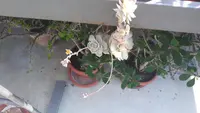
Echeveria 'Lola' is a compact rosette-forming succulent known for its pastel leaves that range from silvery lavender to soft blue-green. The leaves are thick, waxy, and pointed, forming a tight, symmetrical rosette.
This cultivar comes from a group of Mexican and Central American desert succulents adapted to bright sun and dry conditions. Its slow, tidy growth habit and drought tolerance make it suitable for containers, windowsills, and small indoor displays.
Echeveria 'Lola' is generally considered easy to grow if it receives strong light, very well-draining soil, and careful watering, which helps illustrate how to care for Echeveria in typical home conditions.

Care Difficulty
Easy Care

Light Preference
Full Sun

Water Requirements
Low Water

Temperature Preference
Tropical / Frost Sensitive

Hardiness Zone
9–11

Soil Texture
Sandy, Loamy, Rocky

Soil pH
Slightly acidic (6.5–7.0), Neutral (7.0)

Soil Drainage
Well-drained

Fertilization
Minimal (feed rarely)
Scan your plant to receive care tips personalized for your specific plant
Available on iOS and Android
This succulent needs bright, direct light to keep its rosette compact and colored.
Watering should match the plant’s slow use of moisture and its need for fast-drying soil.
Stable, moderate warmth supports compact growth and reduces stress.
This species prefers dry air and typical indoor humidity rather than elevated moisture.
Echeveria 'Lola' requires a fast-draining, mineral-rich mix that prevents water from sitting around the roots.
This species is highly suitable for container growing due to its compact rosette form.
This succulent needs only light feeding to maintain compact, healthy rosettes.
Pruning is mainly cosmetic, helping Echeveria 'Lola' stay neat and disease-free.
This compact succulent prefers slightly tight quarters and only occasional repotting.
Propagation is commonly done to expand a collection or replace aging rosettes.
Cold conditions require extra attention to prevent damage to this tender succulent.

Plant Health Check
Not sure what's wrong with your plant? Check your plant's health inside the app.
This cultivar is a deliberate hybrid between Echeveria lilacina and Echeveria derenbergii, combining the soft, ghostly coloration of E. lilacina with the compact, offsetting habit of E. derenbergii.
Its leaves form a highly symmetrical, nearly spherical rosette with a distinct central point, giving it a sculpted, almost carved appearance that is much tighter and more formal than many other common Echeveria hybrids.
The leaf color can shift from pale gray-lavender to soft pastel pink or slightly bluish tones depending on light intensity, temperature, and seasonal changes, which is one reason many collectors focus on Echeveria 'Lola' plant care for color performance.
Slow growth is normal outside the active season and in low light or cool temperatures. Limited root space, very lean soil, or light feeding also reduce growth. Consistent conditions usually matter more than speed when growing Echeveria.
Keep your plants happy and healthy with plant identification, disease detection, and easy care guidance.

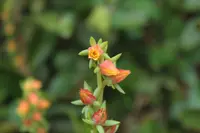
Echeveria bicolor
Echeveria bicolor
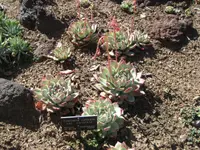
Echeveria colorata
Echeveria colorata
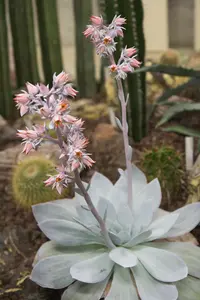
white cloud plant
Echeveria cante
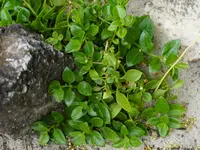
heart-leaf ice plant
Mesembryanthemum cordifolium
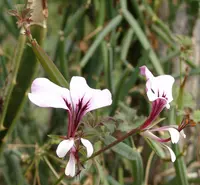
square-stemmed pelargonium
Pelargonium tetragonum
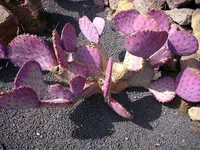
purple pricklypear
Opuntia macrocentra

Matucana madisoniorum
Matucana madisoniorum
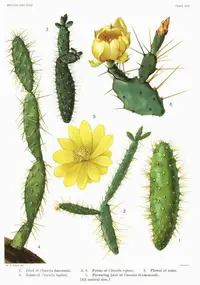
Velvet Bur Cactus
Opuntia pubescens