green bristlegrass Care (Setaria viridis)

Also known as: green bristol-grass, green foxtail
green bristlegrass

About green bristlegrass

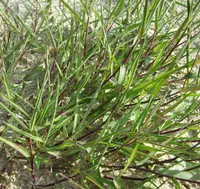
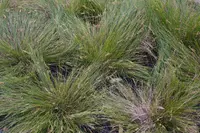
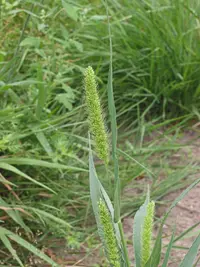
Green bristlegrass (Setaria viridis) is a small annual grass often found in fields, roadsides, and disturbed soil. It forms upright clumps with narrow leaves and soft, bristly seed heads.

This species is native to Eurasia but is now widespread in North America and other temperate regions as a common wild grass and occasional forage plant. It grows quickly and self-seeds easily, which makes it persistent but also simple to replace if removed.

The plant tolerates a wide range of soils and moderate drought, which generally makes Setaria viridis easy to manage outdoors. Understanding how to care for green bristlegrass mainly involves controlling its spread and providing basic sun and moisture needs.

Main Plant Requirements

Care Difficulty

Easy Care

Light Preference

Full Sun

Water Requirements

Moderate Water

Temperature Preference

Warm Climate

Hardiness Zone

4–9

Soil Texture

Sandy, Loamy, Silty

Soil pH

Acidic (5.5–6.5), Slightly acidic (6.5–7.0)

Soil Drainage

Well-drained

Fertilization

Minimal (feed rarely)

Get Personalized Care Plan

Scan your plant to receive care tips personalized for your specific plant

Available on iOS and Android

How to Care for the green bristlegrass

This warm-season grass grows best in open sites with consistent sun exposure.

  • Provide 6–8 hours of direct sun daily; full sun promotes dense, upright growth and strong seed heads.
  • Tolerates light partial shade, especially with morning sun and light afternoon shade, but stems may elongate and flop if shade exceeds about 30%.
  • In hot summers, limit harsh late-afternoon sun on thin, dry soils to reduce leaf scorching, and avoid deep shade where green bristlegrass loses vigor and self-seeding declines.

This species prefers evenly moist, well-drained soil but copes with short dry spells once established.

  • Water when the top 3–5 cm of soil feels dry, aiming for thorough soaking that reaches the root zone rather than frequent light sprinkling.
  • During hot, windy periods, increase watering frequency, especially on sandy or sloped sites; in cool or rainy weather, delay until the surface has clearly dried.
  • Watch for yellowing, soft, lodging stems as a sign of overwatering or poor drainage, and for curling, browning leaf tips as an indicator of drought stress in Setaria viridis.

This warm-season annual grass thrives in consistently mild to hot conditions during the growing season.

  • Optimal growth occurs around 75–90°F (24–32°C), when soil is warm and nights stay above roughly 55°F (13°C).
  • Seeds germinate slowly below 60°F (16°C), and young plants can stall or suffer damage if exposed to near-freezing conditions.
  • This grass is not frost tolerant; killing frost typically ends the season below about 30°F (-1°C), while heat above 100°F (38°C) is tolerated if soil moisture is adequate and roots are not exposed.

Setaria viridis grows well in typical outdoor humidity but benefits from moderately moist air in dry regions.

  • Aim for 40–60% humidity; the plant generally tolerates lower levels if soil moisture is consistent.
  • Dry, hot air can cause leaf tips to brown and foliage to lose vigor, indicating humidity stress.
  • In very arid conditions, group plants close together and use mulch around the base to reduce evaporative moisture loss.

Setaria viridis prefers light, well-drained mineral soils that do not stay waterlogged.

  • Use a sandy or sandy-loam soil with moderate organic matter to support root development and upright growth.
  • Ensure fast drainage by blending native soil with coarse sand or fine grit at about 20–30% of the volume.
  • A slightly acidic to neutral pH (6.0–7.0) supports nutrient availability and overall vigor.
  • Avoid compacted clay, chronically wet spots, or heavy mixes that reduce aeration and encourage root rot.

This grass is suitable for container growing, especially for seasonal displays or small garden spaces.

  • Choose a pot at least 25–30 cm deep so the fibrous root system can anchor the upright clumps securely.
  • Use a heavier container material, such as ceramic, to reduce tipping in windy sites as the foliage mass increases.
  • Select a wide, stable pot footprint to support the spreading tuft and prevent the container from shifting on balconies or patios.

Setaria viridis grows well in average soil and usually needs only light feeding for best performance.

  • Apply a light top-dressing of compost at planting to support steady growth in green bristlegrass.
  • Use a balanced slow-release or low-dose granular fertilizer once in early spring for seasonal plantings.
  • If grown in containers, use a dilute balanced liquid fertilizer at 1/2 strength every 4–6 weeks in the growing season.
  • Avoid feeding in late fall and winter, when growth has slowed or plants have completed their life cycle.

Pruning Setaria viridis is mainly about tidying and limiting self-seeding rather than shaping.

  • Cut back spent flower heads before seeds mature if reducing reseeding is desired.
  • Remove dead, broken, or disease-affected stems at ground level with clean, sharp scissors or hand pruners.
  • In late fall or very early spring, shear back dry foliage clumps to a few cm above soil to refresh new growth.
  • Avoid heavy midseason cutting that removes too much green foliage, as this can reduce vigor and ornamental value.

This grass is more often direct-sown or transplanted outdoors than grown long term in containers.

  • Transplant seedlings once they have several true leaves and roots lightly hold the plug or small pot together.
  • Move plants outdoors in late spring after frost risk has passed, spacing to allow air flow and mature spread.
  • If container-grown, shift to a slightly larger pot only when roots circle the container or growth slows noticeably.
  • Minimize root stress by watering well before and after transplanting and handling the root ball gently without breaking it apart.

Setaria viridis is most commonly propagated by seed, which germinates reliably in warm conditions.

  • Sow fresh or stored seeds in spring once soil reaches 65–75°F, either outdoors or in trays under cover.
  • Use a light, well-drained seed-starting mix and cover seeds very lightly, as they need some light for germination.
  • Keep the substrate evenly moist but not waterlogged until seedlings emerge, usually within 7–14 days.
  • Thin or transplant young plants to avoid overcrowding, selecting the strongest seedlings for final spacing.

As a warm-season annual grass in most climates, Setaria viridis needs minimal winter care once its life cycle ends.

  • Expect plants to be killed by hard frost; this is normal for the species.
  • Leave dry seed heads over winter if wildlife value or self-sowing is desired, then remove in late winter.
  • In colder regions, container plants can be discarded after frost or allowed to self-seed into nearby soil.

Care Tips

Staggered Succession Sowing

Sow small patches every 2–3 weeks during the warm season so flowering and seed production are spread out, which provides a longer harvest window for ornamental use or research sampling.

Preventing Lodging

In windy or exposed sites, plant in short rows aligned with the prevailing wind and avoid overly rich nitrogen inputs so stems stay shorter and less likely to bend or fall over.

Targeted Self‑Seeding Control

If you do not want it to spread, cut or pull plants as soon as the bristled seedheads turn from green to tan, and collect spent seedheads in a bag so seeds do not drop into the soil.

Efficient Plot Monitoring

Mark a few tagged plants at different spots in the bed and track their development stages weekly, then use these reference plants to time mowing, cutting, or harvest for the whole stand.

Clean Turnover Between Generations

At the end of a cycle, remove old roots and surface debris, then rake the top 1–2 in of soil to expose and dry out volunteer seedlings, which keeps stands more uniform when growing green bristlegrass in repeated beds.

Common Pests and Diseases

Greenbug aphid

This pest is a small, pale green aphid that feeds on leaves and stems, causing yellowing, stippling, and, in heavy infestations, leaf death. Symptoms include patchy chlorosis and reduced vigor, especially in dense stands.

Solution

Monitor plants regularly and, at early signs, hose down foliage with a strong stream of water to dislodge aphids, then repeat as needed. In larger or outdoor plantings, encourage natural predators like lady beetles, or use an insecticidal soap or neem oil spray, ensuring thorough coverage of leaf undersides.

Fall armyworm

These insects are chewing caterpillars that skeletonize or completely remove leaf tissue, often leaving ragged edges and windowed leaves. Damage can progress rapidly in warm weather and may stunt young plants.

Solution

Handpick and destroy caterpillars where feasible and remove heavily damaged foliage to reduce feeding sites. For larger plantings, use Bacillus thuringiensis (Bt) products targeted at caterpillars in the evening, and reduce nearby weedy grasses that can harbor larvae.

Yellow sugarcane aphid

This pest is a bright yellow aphid that injects toxins while feeding, leading to intense yellowing, reddening, and sometimes leaf necrosis. Honeydew deposits can encourage sooty mold on leaves.

Solution

Inspect leaf undersides frequently, especially on young foliage, and wash colonies off with water at the first sign of infestation. Where pressure is high, introduce or conserve beneficial insects and apply insecticidal soap or horticultural oil, avoiding treatment during very hot, sunny periods to prevent leaf burn.

Pyricularia leaf spot

This disease, caused by a Pyricularia fungus, produces small, oval to eye-shaped lesions that may have gray centers and darker margins, coalescing into larger dead patches on leaves. Symptoms include premature leaf death and reduced growth under warm, humid conditions.

Solution

Remove and destroy heavily infected leaves and avoid overhead watering to keep foliage as dry as possible. Improve spacing and airflow, clear plant debris around the base, and, in persistent outdoor cases, apply a labeled grass fungicide as a preventive spray before prolonged wet periods.

Smut

This disease forms dark, powdery masses of spores in place of normal flower or seed structures, reducing seed quality and yield. Symptoms include distorted inflorescences and black, sooty spore clusters that break apart easily when touched.

Solution

Rogue out and discard affected plants or seed heads before they release spores, and avoid saving seed from infected stands. Practice crop rotation with non-grass species, remove old plant debris after the season, and use only clean, certified seed when establishing new plantings to reduce smut carryover.

Interesting Facts

Model C4 grass

This species is a key genetic model for studying C4 photosynthesis, a highly efficient carbon-fixing pathway that helps plants thrive in high light, heat, and low CO2 conditions.

Fast life cycle

Under controlled conditions, this grass can complete its life cycle from seed to seed in about 6–8 weeks, which makes it valuable for rapid experimental breeding and genetics research.

Compact reference genome

Scientists have fully sequenced its relatively small genome, so Setaria viridis plant care, physiology, and evolution can be linked directly to specific genes with high precision.

Botan icon

Did you know?

Setaria viridis is increasingly used as a surrogate research species for major cereal and bioenergy crops such as maize, sorghum, and switchgrass, because it is small, fast-growing, and genetically tractable while sharing many of their key biological traits.

FAQs about green bristlegrass

This grass establishes and matures quickly, often reaching full size within a few months of warm weather. Growth rate increases with full sun, warm temperatures, and regular moisture, and slows sharply under shade, cool conditions, or nutrient-poor soils.

Grow Healthy Plants with Botan Care

Keep your plants happy and healthy with plant identification, disease detection, and easy care guidance.

Botan plant care app — identify plants on mobile

Explore More Plants