bilimbi Care (Averrhoa bilimbi)

Also known as: Belimbing, Cucumber tree, Tree sorrel
bilimbi

About bilimbi

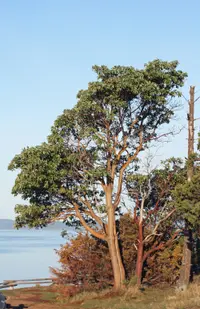
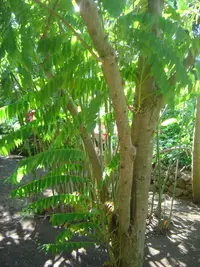
Bilimbi, Averrhoa bilimbi, is a small tropical fruit tree known for its clusters of sour, cucumber-shaped green fruits borne directly on trunk and branches. It is evergreen, with dense, feathery foliage and a naturally spreading, somewhat irregular crown that suits warm, frost-free gardens.

The species is native to Southeast Asia but is now grown in many tropical and subtropical regions for home use and small-scale production. It prefers warm temperatures, high humidity, and consistently moist, well-drained soil, which influences how easy it is to establish outside the tropics.

For most home growers, it is easier in the ground than in a pot, though container culture is possible with attentive care for bilimbi, especially regarding light, water, and protection from cold.

Main Plant Requirements

Care Difficulty

Moderate Care

Light Preference

Full Sun

Water Requirements

Regular Water

Temperature Preference

Tropical / Frost Sensitive

Hardiness Zone

10–12

Soil Texture

Sandy, Loamy, Organic-rich

Soil pH

Acidic (5.5–6.5), Slightly acidic (6.5–7.0)

Soil Drainage

Moist but well-drained

Fertilization

Light (every 4–6 weeks)

Get Personalized Care Plan

Scan your plant to receive care tips personalized for your specific plant

Available on iOS and Android

How to Care for the bilimbi

This tropical fruit tree needs strong, consistent light to flower and fruit well.

  • Provide 6–8 hours of direct sun daily, ideally with morning sun and some light afternoon shade in hot climates.
  • Tree tolerates light partial shade (3–4 hours direct sun), but flowering and fruiting of bilimbi decline in deeper shade.
  • In very hot, dry summers, protect from harsh mid-afternoon sun with nearby taller plants or light shade cloth to reduce leaf scorch.

This species prefers evenly moist, well-drained soil and reacts quickly to extremes in watering.

  • Allow the top 3–5 cm of soil to dry before deep watering, ensuring water penetrates the root zone rather than just the surface.
  • During warm, active growth, increase watering so soil never fully dries; in cooler or rainy seasons, reduce frequency to prevent waterlogging.
  • Watch for yellowing, dropping leaves as a sign of waterlogged soil, and for limp, curling leaves and dry, cracking soil as signs of underwatering in Averrhoa bilimbi.

This tropical tree has narrow temperature tolerances and is sensitive to cold.

  • Ideal growth occurs at 70–86°F (21–30°C), with warm, humid conditions supporting flowering and fruit set.
  • The tree is very frost-sensitive; damage occurs below about 40°F (4°C) and it can be killed near 32°F (0°C), so protect from cold snaps.
  • In hot regions, it tolerates brief highs up to 95°F (35°C) if soil moisture is maintained and roots are mulched to moderate temperature swings.

This species prefers consistently warm, moderately humid air to support healthy foliage and fruiting.

  • Aim for 50–70% humidity, as prolonged levels below 40% can slow growth and cause leaf edge browning.
  • It tolerates brief dry indoor air but may show humidity stress as curling leaves, tip burn, and increased leaf drop.
  • Increase humidity with grouped plants, a nearby humidifier, or an outdoor microclimate sheltered from drying wind.

This fruit tree performs best in deep, well-aerated, fast-draining soil that still retains some moisture.

  • Use a loamy, slightly sandy mix with organic matter, such as 50% garden loam, 30% coarse sand, 20% compost, to balance drainage and moisture holding.
  • Aim for slightly acidic to neutral pH, around 5.5–7.0, which supports nutrient availability for Averrhoa bilimbi and steady growth.
  • Improve aeration by incorporating coarse sand or fine gravel, avoiding fine clays that compact and suffocate roots after watering.
  • Avoid heavy, waterlogged, or saline soils, since chronic saturation leads to root rot and weak, chlorotic foliage.

This species can be grown in containers when given ample root volume and very sharp drainage.

  • Choose a deep, heavy container to counter top-heaviness and reduce tipping in wind as the canopy enlarges.
  • Use a fast-draining, slightly sandy mix that dries evenly, since dense potting soil stays too wet in large tubs.
  • Elevate the pot on feet or bricks so drainage holes stay clear and container salts can flush out fully during watering.

This tropical fruit tree benefits from moderate, consistent feeding in warm months to support growth and cropping.

  • Apply a balanced granular or slow-release fertilizer (around 10-10-10) at the start of spring and midsummer, following label rates.
  • Supplement with 2–5 cm of well-rotted compost over the root zone once or twice per year to improve soil structure.
  • During active growth, container plants can receive diluted liquid fertilizer at 1/2 strength every 4–6 weeks.
  • In late fall and winter, stop additional feeding so new, tender growth does not develop before cool weather.

Pruning helps manage size and canopy structure while maintaining fruiting wood on Averrhoa bilimbi.

  • Carry out main pruning in late winter or very early spring before vigorous new growth begins.
  • Remove dead, diseased, crossing, or storm-damaged branches first using clean, sharp bypass pruners or a pruning saw.
  • Thin congested interior shoots to improve light penetration and air movement within the canopy.
  • Shorten overly long or leaning branches to maintain a balanced, accessible tree shape and encourage fruitful side shoots.

This species is usually grown in the ground, so transplanting young trees at the right stage is more important than frequent repotting.

  • Transplant in late spring or early summer once soil is warm and frost risk has passed, especially for young nursery trees.
  • Look for roots circling the container or emerging from drainage holes and for slowed growth as signals a potted bilimbi needs a larger space.
  • Move up only 1–2 pot sizes or into a well-prepared ground hole with free-draining, organically enriched soil.
  • Minimize root stress by watering thoroughly before and after planting, handling the root ball gently, and shading from harsh sun for 3–7 days.

New plants are commonly raised from seed, with vegetative methods used when specific traits must be preserved.

  • Sow fresh seeds in late spring in a warm environment of 75–85°F using a sterile, free-draining seed mix.
  • Lightly cover seeds, keep the medium just moist, and provide bright, indirect light to support steady germination.
  • For semi-hardwood cuttings, select healthy non-flowering shoots, treat the base with rooting hormone, and place in a humid propagator.
  • Maintain bottom warmth and high humidity while avoiding waterlogging, then pot on young plants once roots are firm and active.

This tropical tree is frost-sensitive and needs protection in regions with cool or freezing winters.

  • In ground, it is best suited to frost-free climates; even brief drops near 32°F can damage young growth.
  • Apply a 5–8 cm mulch layer around, but not touching, the trunk to buffer root-zone temperature fluctuations.
  • Wrap young trunks with breathable frost cloth during cold snaps to limit bark and cambium injury.
  • Move container-grown plants indoors or into a heated greenhouse before temperatures fall below 45–50°F, ensuring bright light.

Care Tips

Windbreak planning

Plant near a sturdy fence, hedge, or purpose-built windbreak to protect the brittle branches from strong winds that can snap new growth and dislodge developing fruit.

Fruit thinning

If branches are heavily clustered with young fruits, remove some by hand so that remaining fruits size up better and the limbs are not overloaded and at risk of breaking.

Limb support

Use padded props or soft ties attached to solid stakes to support heavily fruiting branches, placing supports before fruits reach full size to prevent bark splitting and mechanical damage.

Cold event protection

Before a forecast below 40°F, water the root zone well and use frost cloth or breathable fabric around the canopy to reduce cold stress and dieback of tender shoots.

Salt and spray management

In coastal areas, rinse foliage occasionally with fresh water and avoid saline irrigation sources, since accumulated salt on leaves and in the root zone can stunt growth and reduce yields when growing bilimbi.

Common Pests and Diseases

Fruit borer

This pest tunnels into young bilimbi fruits, causing premature yellowing, internal feeding damage, and fruit drop. Symptoms include small entry holes and frass (sawdust-like droppings) on the fruit surface.

Solution

Collect and destroy infested fruits promptly to break the life cycle, and keep the area under the tree clean of fallen fruit. For heavier infestations, use fine mesh bags around developing fruit clusters and apply a targeted biological spray containing Bacillus thuringiensis (Bt) according to label directions.

Tea mosquito bug

These insects feed on tender shoots, leaves, flowers, and very young fruits, leading to brownish lesions, flower drop, and deformed or scarred fruit. This pest often causes poor fruit set on trees that otherwise look healthy.

Solution

Prune and destroy heavily affected shoot tips and flower clusters, and maintain good tree vigor with balanced watering and fertilizing to help recovery. In areas where this pest is common, monitor flushes of new growth and use yellow sticky traps or a neem-based spray on young shoots and flower clusters at the first signs of damage.

Anthracnose

This disease causes dark, sunken spots on leaves, twigs, flowers, and fruits, often with a slightly raised edge and possible fruit cracking. Symptoms include premature leaf and fruit drop, especially in warm, humid weather.

Solution

Remove and dispose of infected leaves and fruits, and thin dense canopies slightly to improve air movement and faster drying after rain. In very humid regions, apply a copper-based fungicide preventively at the start of wet periods, following label instructions and avoiding spraying during flowering when possible.

Sooty mold

This disease appears as a black, soot-like coating on leaves, stems, and sometimes fruit, growing on the sugary honeydew secreted by sap-sucking insects such as scale or aphids. Symptoms include reduced photosynthesis, dull-looking foliage, and in heavy cases, leaf yellowing and drop.

Solution

First control the honeydew-producing insects by washing foliage with a strong but gentle stream of water or using a light horticultural oil spray according to label directions. Once insect levels are reduced, wipe or gently wash affected leaves so more light can reach the leaf surface, and avoid overuse of nitrogen fertilizers that encourages soft, pest-prone growth.

Scale insects

These insects appear as small, fixed bumps on twigs, leaves, or fruit stalks and suck plant sap, leading to leaf yellowing, reduced vigor, and sticky honeydew that can support sooty mold. This pest often builds up on the inner canopy and older wood where airflow is poor.

Solution

Prune and discard heavily infested twigs, and physically scrape off small colonies with a soft brush or cloth. For broader infestations, apply a horticultural oil spray, thoroughly coating stems and leaf undersides during cool parts of the day, and repeat as needed while monitoring for natural enemies like lady beetles to avoid over-treating.

Interesting Facts

Trunk-borne flowering

The tree shows strong cauliflory, meaning it produces clusters of flowers and fruits directly from the trunk and older branches, which makes the heavy, watery fruits easier for the plant to support.

Extremely sour fruit

The bilimbi fruit is highly acidic due mainly to citric and oxalic acids, so it is rarely eaten raw and is more often used in chutneys, curries, pickles, and to acidify dishes in Southeast Asian and South Asian cuisines.

Origin and spread

This species is native to the humid tropics of the Moluccas in Indonesia but has been widely introduced and naturalized throughout Southeast Asia, South Asia, tropical Africa, and tropical America as a backyard fruit and spice tree.

Botan icon

Did you know?

Unripe bilimbi fruits and sometimes their juice are traditionally used as a natural cleaning agent and metal polish in parts of Asia because the high organic acid content helps remove rust and tarnish from metals such as brass and copper.

FAQs about bilimbi

Lack of flowers usually comes from insufficient warmth, poor light, or excess nitrogen fertilizer. This species blooms best in stable tropical conditions, with a short dry or cooler rest period and balanced, not overly rich, nutrition.

Grow Healthy Plants with Botan Care

Keep your plants happy and healthy with plant identification, disease detection, and easy care guidance.

Botan plant care app — identify plants on mobile

Explore More Plants