cereal rye Care (Secale cereale)

Also known as: Rye, harvest rye, Ryecorn, cultivated rye, Cultivated annual rye
cereal rye

About cereal rye

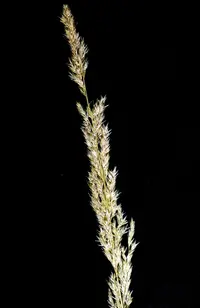
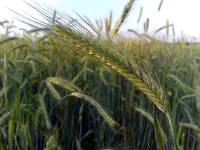
Cereal rye, Secale cereale, is a cool-season grass grown mainly as a grain, forage crop, and soil-building cover crop. It forms upright stems with narrow, bluish-green leaves and dense seed heads.

This species likely originated in Eurasia and is now cultivated in many temperate regions, especially in cooler climates and poor, sandy soils. It is valued for fast growth, strong root systems, and good cold tolerance, which makes it relatively easy to establish.

Cereal rye prefers full sun, moderate moisture, and well-drained soil, but it tolerates low fertility and light drought better than many other grains. These traits simplify how to care for cereal rye in fields and larger garden spaces.

Main Plant Requirements

Care Difficulty

Easy Care

Light Preference

Full Sun

Water Requirements

Moderate Water

Temperature Preference

Cold Hardy

Hardiness Zone

3–7

Soil Texture

Sandy, Loamy, Silty

Soil pH

Acidic (5.5–6.5), Slightly acidic (6.5–7.0)

Soil Drainage

Well-drained

Fertilization

Minimal (feed rarely)

Get Personalized Care Plan

Scan your plant to receive care tips personalized for your specific plant

Available on iOS and Android

How to Care for the cereal rye

This cool-season grass needs consistent outdoor sun exposure for strong, upright growth.

  • Provide 6–8 hours of direct sun daily; morning to early afternoon sun is ideal for cereal rye in most temperate regions.
  • Tolerates light partial shade (3–4 hours direct sun) but stems may elongate and lodging risk increases if light stays low.
  • Avoid deep shade and note that in hot summers, brief late-afternoon shade can reduce heat stress and sunscald on young seedlings.

Secale cereale prefers steady soil moisture without waterlogging throughout its active growth.

  • Aim for soil that feels slightly moist; allow the top 2–4 cm to lose surface gloss but not become powder-dry before the next rainfall or irrigation.
  • Use well-drained soil; standing water for more than 24 hours increases root rot risk and yellowing, especially in compacted clay.
  • In cool seasons, reduce supplemental watering, but in unseasonably warm or windy weather, watch for folding leaves and dull color as signs of drought stress.

This species is adapted to cool climates and shows strong tolerance to cold conditions.

  • Optimal growth occurs around 50–68°F (10–20°C), with vigorous tillering and root development in cool, stable weather.
  • Plants tolerate brief drops to about 5–10°F (-15 to -12°C) once established, though young seedlings are safer above 25°F (-4°C).
  • Growth slows above 77–82°F (25–28°C); extended heat near 90°F (32°C) can reduce grain set, so earlier sowing that matures before peak summer is preferred.

Humidity is not a significant factor for Secale cereale, which adapts well to typical outdoor air conditions.

Secale cereale grows best in loose, well-structured mineral soil that drains freely but does not dry out instantly.

  • Use a loamy or sandy-loam texture with moderate organic matter rather than heavy clay or pure sand.
  • Aim for slightly acidic to neutral pH, roughly 6.0–7.0, adjusting with lime or elemental sulfur if tests show large deviations.
  • Incorporate 20–30% mature compost plus sharp sand to improve both nutrient holding and drainage in compacted ground.
  • Avoid waterlogged, salty, or highly compacted soil, and break up hardpan layers to improve aeration around the root zone.

This species can be grown in containers, but only as a short-term crop or cover due to its deep, fibrous roots and tall growth.

  • Choose a deep, heavy container at least 30–40 cm tall to give roots vertical space and reduce tipping in wind.
  • Use a weighty pot material or add bricks at the base so the tall foliage does not destabilize the container.
  • Position the container where runoff drains freely away, since frequent irrigation can otherwise cause chronic saucer waterlogging at the base.

This annual grain needs only modest nutrition, especially when grown in reasonably fertile soil.

  • Apply a light dressing of compost or well-rotted manure before sowing to support early growth.
  • If soil is poor, use a balanced NPK fertilizer at half strength once at early tillering, then once more before stem elongation.
  • Avoid high nitrogen rates that cause weak, lanky growth and lodging in cereal rye.
  • Do not feed during winter dormancy or after plants have begun to dry down for harvest or incorporation.

Pruning needs for Secale cereale are minimal and mainly relate to crop management rather than shaping.

  • Time most cutting to late spring or early summer, depending on growth stage and intended use.
  • Remove lodged, diseased, or heavily shaded stems with clean shears to improve air flow and reduce pathogen spread.
  • For cover crops, mow or cut plants at flowering to manage height and encourage residue breakdown.
  • Use sharp tools and cut above the crown to avoid damaging growing points needed for stand persistence until termination.

This species is almost always grown in open ground, so care focuses on field transplanting or container up-potting of seedlings.

  • Transplant or set out plugs in early spring or late summer when soils are cool and moist, avoiding heat stress.
  • Look for roots filling cell trays or circling containers as a sign seedlings need prompt transplanting.
  • Water seedlings well before and after moving, and handle by the leaves or plug, not by the stems, to limit damage.
  • Space plants to allow good air movement and root expansion, firm soil gently around roots, then keep evenly moist for 7–10 days.

Multiplication of this annual grass relies on seed rather than vegetative methods.

  • Sow fresh seed of Secale cereale in early spring or late summer, depending on climate and intended harvest.
  • Prepare a fine, firm seedbed and place seeds 2–4 cm deep with good soil contact to support fast germination.
  • Maintain cool conditions and consistent moisture, avoiding waterlogging, until seedlings establish a strong root system.
  • For uniform stands, use clean seed and, if possible, follow recommended local seeding rates and row spacing.

This cool-season grain is very cold hardy and usually needs little winter attention in the field.

  • Established plants tolerate frost and snow, though shallow seedlings may heave in freeze–thaw cycles.
  • In exposed sites, a light mulch between rows can insulate the root zone and reduce soil erosion.
  • Container-grown plants benefit from shelter near a wall or in an unheated garage to limit root freezing.

Care Tips

Timely sowing windows

Schedule sowing 2–4 weeks before the average first frost date for winter cover or in early spring for forage, so plants have enough cool weather to establish deep roots and tillers before heat stress.

Rolling for termination

For cover crop use, terminate mature stands at flowering by crimping or rolling on a dry day, which lays stems flat to form a mulch mat that suppresses weeds and conserves soil moisture without immediate herbicide use.

Strip management approach

When growing cereal rye for both biomass and grain, manage in strips by terminating some areas early for mulch while allowing adjacent strips to mature fully for seed harvest, balancing soil cover with yield.

Controlled grazing use

On mixed crop–livestock sites, allow light grazing when plants reach 15–20 cm height and remove animals before rye is grazed below 7–8 cm, which protects growing points and encourages regrowth.

Volunteer seed control

To reduce unwanted volunteers after harvest, adjust combine settings to minimize shattering, then use a shallow post-harvest cultivation to stimulate and destroy any germinating seeds before the next crop cycle when caring for cereal rye.

Common Pests and Diseases

Ergot

This disease causes dark, elongated sclerotia (ergot bodies) to replace the grains in seed heads and can reduce yield and seed quality.

Solution

Remove and destroy heavily infected heads before harvest where practical, rotate away from cereals for at least 1–2 years, and use clean, certified seed; mowing nearby wild grasses before flowering can also reduce ergot spore sources.

Snow mold

This disease develops under prolonged snow cover on unfrozen or poorly drained soil and leads to bleached, matted patches and poor spring regrowth.

Solution

Avoid excessive late-fall nitrogen, improve surface drainage, and select moderately resistant winter rye varieties; in high-risk, high-value situations, fall-applied fungicide labeled for snow mold on cereals can help when timed before snow cover.

Leaf rust

This disease produces small, orange-brown pustules on leaves that can coalesce, causing premature leaf death and reduced grain fill.

Solution

Use rust-resistant rye cultivars when available, avoid overly dense stands to improve airflow, and remove volunteer cereals that carry the fungus; in field production, fungicide sprays may be justified if rust appears early and conditions remain humid.

Aphids

These insects feed by sucking sap from leaves and stems, sometimes transmitting viral diseases and causing yellowing or stunted growth under heavy infestations.

Solution

Encourage natural predators such as lady beetles by minimizing broad-spectrum insecticides, monitor tillers regularly, and if thresholds are exceeded in production fields, apply a targeted foliar insecticide labeled for cereal aphids during early growth stages.

Cereal leaf beetle

This pest’s larvae and adults chew long strips between leaf veins, which can significantly reduce photosynthetic area in young stands.

Solution

Scout fields in spring for larvae and feeding damage, conserve parasitic wasps and other natural enemies, and only apply a selective insecticide when economic thresholds are reached, focusing applications on the most heavily infested areas rather than the entire field.

Interesting Facts

Cold-hardy cereal grass

Secale cereale tolerates lower temperatures than wheat or barley and can continue growing at just above freezing, which is why it is widely sown in regions with harsh winters and short growing seasons.

Deep, fibrous root system

This species develops an extensive root system that can penetrate compacted soils and improve soil structure, so it is often used as a cover crop to reduce erosion and capture leftover soil nitrogen.

Pollen and allergy source

Its wind-dispersed pollen grains travel long distances and are a documented cause of seasonal pollen allergies in areas with large rye plantings.

Botan icon

Did you know?

Secale cereale was domesticated relatively late compared with wheat and barley and is thought to have begun as a weed in ancient cereal fields before being intentionally cultivated as a crop in its own right.

FAQs about cereal rye

Yes, the grain is edible and widely used for bread, flour, animal feed, and whiskey. Only the mature, properly cleaned grain should be consumed, since moldy or ergot-contaminated heads can be harmful to humans and livestock.

Grow Healthy Plants with Botan Care

Keep your plants happy and healthy with plant identification, disease detection, and easy care guidance.

Botan plant care app — identify plants on mobile

Explore More Plants