creeping bentgrass Care (Agrostis stolonifera)

Also known as: Creeping Bent, Fiorin, Spreading Bent, creeping bent, fiorin, marsh bent
creeping bentgrass

About creeping bentgrass

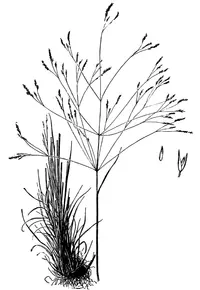
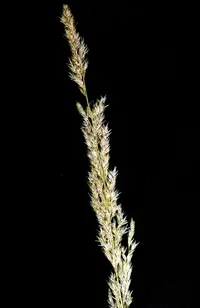
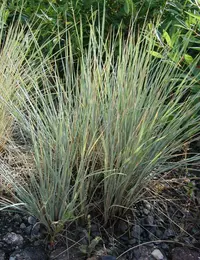
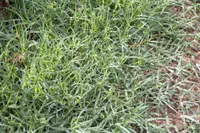
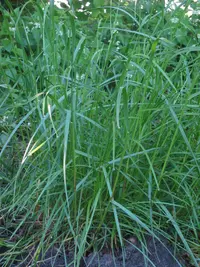
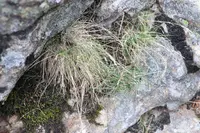
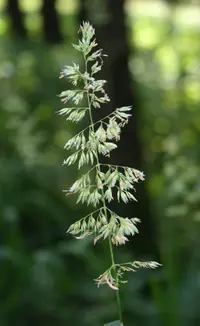
Creeping bentgrass (Agrostis stolonifera) is a low-growing, stolon-forming grass commonly used on golf course greens and closely mown lawns. It forms a dense, fine-textured carpet that can look very uniform when maintained correctly.

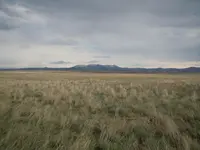
This species is native to Europe and parts of Asia but is now widely naturalized in North America and other temperate regions. It spreads quickly by above-ground runners, which makes it effective for coverage but also capable of becoming invasive.

Agrostis stolonifera prefers cool climates, consistent moisture, and fertile, well-drained soil, and it tolerates very close mowing. These traits make it rewarding but somewhat demanding, so understanding how to care for creeping bentgrass helps prevent thatch buildup and disease problems.

Main Plant Requirements

Care Difficulty

Moderate Care

Light Preference

Full Sun

Water Requirements

Regular Water

Temperature Preference

Cool Climate

Hardiness Zone

3–9

Soil Texture

Sandy, Loamy, Silty

Soil pH

Acidic (5.5–6.5), Slightly acidic (6.5–7.0)

Soil Drainage

Moist but well-drained

Fertilization

Moderate (every 2–4 weeks)

Get Personalized Care Plan

Scan your plant to receive care tips personalized for your specific plant

Available on iOS and Android

How to Care for the creeping bentgrass

This cool-season grass thrives in full sun but tolerates some light shade, especially in warm regions.

  • Aim for 6–8 hours of direct sun daily; 3–4 hours of morning sun plus bright, open conditions later suits many lawns.
  • Light afternoon shade reduces heat stress and helps creeping bentgrass maintain color during hot summers.
  • Dense shade or less than 3–4 hours of sun weakens turf, causing thinning, spindly growth, and greater susceptibility to disease.

This species prefers consistently moist but not saturated soil, especially during active growth in cool seasons.

  • Irrigate when the top 2–3 cm of soil feels slightly dry, using deep, infrequent watering rather than shallow daily sprinkles.
  • Increase watering frequency in hot, dry, or windy weather; reduce it in cool, rainy periods and during winter dormancy.
  • Yellowing, slow growth, and dry, brittle blades indicate underwatering, while mushy turf, algae, and foul odor suggest poor drainage and overwatering in Agrostis stolonifera.

This cool-season grass grows best in moderate temperatures and struggles during sustained heat.

  • Optimal growth occurs around 60–75°F (16–24°C), with strongest performance in cool spring and fall conditions.
  • The turf survives down to about 0°F (-18°C) under snow cover, but exposed crowns can be damaged by repeated freeze–thaw cycles.
  • Heat stress appears when temperatures stay above 85°F (29°C); combine shade, careful watering, and higher mowing to reduce summer decline.

This cool-season grass prefers moderate ambient humidity but mainly relies on consistent soil moisture rather than air moisture.

  • Target 40–60% humidity; typical outdoor conditions in many regions are adequate for creeping bentgrass.
  • Dry air is usually tolerated if the root zone stays evenly moist and the plant is not heat-stressed.
  • Humidity stress appears as leaf tip browning and fine blades feeling dry and rough despite moist soil; light misting during hot, windy spells can reduce this.

This species prefers consistently moist, finely textured soil with strong aeration and even drainage.

  • Use a loamy, fine-textured mix with 40–60% mineral soil, 20–30% compost, and 10–20% sand to support dense stolon growth.
  • Aim for pH 5.5–7.0, as Agrostis stolonifera performs poorly on highly alkaline or strongly acidic substrates.
  • Ensure drainage is even, not rapid; water should infiltrate quickly but leave the surface slightly moist rather than forming puddles.
  • Improve aeration and prevent compaction by incorporating sharp sand or fine perlite and avoiding heavy, clay-dominant or peat-only mixes.

This grass can be grown in containers for turf trials or ornamental edging, but it demands careful moisture management.

  • Choose a wide, shallow container that allows lateral stolon spread while keeping the root zone no deeper than about 15–20 cm.
  • Select a heavier pot material or add weight so the container stays stable as the dense turf canopy develops.
  • Use containers with multiple drainage holes so excess irrigation drains within seconds, preventing root suffocation in the fine-textured mix.

Agrostis stolonifera benefits from moderate, well-timed feeding to maintain dense, green turf.

  • Apply a balanced granular NPK fertilizer (for example 16-4-8) at low rates every 4–6 weeks during the active growing season.
  • Use slow-release formulations or well-aged compost to provide steady nutrients and reduce surge growth and thatch buildup.
  • Water in fertilizer immediately after application to limit leaf burn and support nutrient uptake.
  • Reduce or stop feeding in late fall and winter, when growth slows or turf goes dormant.

Pruning for Agrostis stolonifera is mainly managed as mowing to control height, density, and turf quality.

  • Time most height reduction for active growth in spring and early fall, avoiding heavy cuts during heat or drought stress.
  • Remove damaged, diseased, or scalped patches by cutting out affected turf with a sharp knife or edging tool.
  • Use a sharp mower set high enough to avoid scalping, which weakens plants and invites weeds.
  • Occasional verticutting or dethatching helps thin overly dense stolons and encourages upright, uniform growth.

This species is usually grown as turf, so management focuses on lawn establishment and transplanting small plugs rather than repotting.

  • Transplant or plug in early spring or early fall when temperatures are mild and soil is workable.
  • Identify areas needing renovation by thinning coverage, poor drainage, or slow recovery after traffic or stress.
  • Lift and move plugs with a plugger or hand trowel, keeping root balls intact to limit shock.
  • Water transplanted areas consistently for 2–3 weeks so roots reestablish and soil does not dry out.

Agrostis stolonifera is commonly propagated for turf by seed, stolons, and small plugs.

  • Sow seed in early fall or spring on well-prepared, fine-textured soil, keeping the surface consistently moist until germination.
  • Use creeping stolons or small plugs cut from healthy turf and set them into bare soil at close spacing.
  • Ensure full sun to light shade, moderate moisture, and good contact between roots or stolons and soil.
  • Lightly topdress with sand or fine soil around new plugs to stabilize them and support quick spread.

This cool-season grass is fairly cold hardy and usually needs minimal winter protection in most temperate regions.

  • In cold climates, maintain a slightly higher mowing height before winter to protect crowns from freeze-thaw cycles.
  • Use a light mulch of clean straw around newly established areas in very harsh winters, removing it in early spring.
  • Limit foot traffic on frozen or snow-covered turf to prevent crown damage and soil compaction.

Care Tips

Mowing for Density

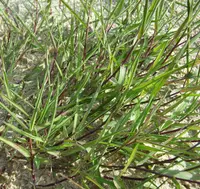
Maintain a very low mowing height (0.125–0.25 in) with sharp reel blades and mow at least 3–5 times per week during active growth to promote a dense, smooth turf and limit thatch buildup.

Rolling to Smooth

Use a lightweight roller every 1–2 weeks in the playing season to firm the surface, improve ball roll, and slightly press stolons into the soil so they root and knit together faster.

Targeted Topdressing

Apply light sand topdressing every 2–4 weeks in the growing season to dilute thatch, smooth minor surface irregularities, and protect the crown from mower scalping when growing creeping bentgrass.

Proactive Disease Rotation

Implement a preventative fungicide program with products from different chemical groups (FRAC codes) rotated through the season to manage common diseases like dollar spot and prevent resistance development.

Precise Irrigation Scheduling

Use a soil moisture meter or tensiometer and schedule short, frequent syringing during hot, dry, windy periods to cool the canopy without saturating the root zone, which helps maintain turf quality under stress.

Common Pests and Diseases

Dollar spot

This disease causes small, round, sunken straw-colored patches that can merge into larger irregular areas, especially under low nitrogen and leaf wetness. Symptoms include bleached leaf lesions with reddish-brown borders on close inspection.

Solution

Improve airflow and reduce prolonged leaf wetness by watering early in the day and avoiding frequent light irrigation, and maintain moderate nitrogen fertility without overfeeding. Remove or reduce thatch if excessive, mow with sharp blades, and use a labeled turfgrass fungicide only when cultural corrections are not sufficient, following local guidelines for Agrostis stolonifera care.

Brown patch

This disease produces irregular brown to tan patches, often with a darker margin, during warm and humid conditions, and creeping bentgrass is particularly sensitive in poorly drained or overwatered areas. Symptoms include greasy-looking, water-soaked leaves that quickly turn brown and collapse.

Solution

Reduce nighttime leaf wetness by avoiding evening irrigation, improve drainage, and avoid excessive nitrogen during warm, humid periods. Mow only when foliage is dry, collect heavy clippings from diseased areas, and use a suitable turf fungicide as a supplemental measure if conditions remain highly favorable for the disease.

Pythium blight

This disease causes rapidly spreading, water-soaked, gray or dark patches that can collapse within 24–48 hours, typically during hot, humid weather with poor air movement. Symptoms include a greasy appearance, cottony white mycelium in the early morning, and a strong, musty odor in severe cases.

Solution

Increase surface drainage, reduce standing water, and avoid heavy evening irrigation or excessive nitrogen during hot, humid spells. Improve air movement, use clean equipment to prevent spread, and apply a targeted Pythium fungicide preventively or at first signs in high-risk conditions.

Cutworms

These insects feed on foliage and stems at night, creating small, irregularly clipped spots or mini voids in the turf, and can cause wilted patches as they sever stems at the crown. This pest often leaves small burrows or silk-lined tunnels with frass at the surface.

Solution

Encourage natural predators by avoiding unnecessary broad-spectrum insecticides, mow regularly, and reduce thatch where larvae hide. If damage is significant, use a selective turf insecticide or biological control such as Bacillus thuringiensis (Bt), applied in the evening when larvae are active, and irrigate lightly to move the product into the upper canopy.

Annual bluegrass weevil

This pest damages creeping bentgrass by larval feeding inside stems and crowns, leading to thinning, bronzing, and small dead patches, especially along edges and high-traffic zones. Symptoms include plants that pull up easily with hollowed or chewed stems when inspected closely.

Solution

Monitor closely at course or lawn edges using visual inspection and simple soap flushes, and reduce excessive thatch and moisture that favor larvae. When thresholds are reached, use a targeted weevil insecticide timed to adult migration or early larval stages, rotating active ingredients to slow resistance and integrating with cultural practices that keep turf dense and healthy.

Interesting Facts

Key golf green grass

This species is the dominant grass used on cool-season golf course putting greens because it tolerates very close mowing and forms an extremely dense, smooth surface.

Spreading by stolons

It spreads aggressively through above-ground stems called stolons, which root at the nodes and allow it to knit into a tight turf or rapidly colonize open, moist ground.

High salt tolerance

Compared with many cool-season turfgrasses, it shows relatively good tolerance to saline and recycled irrigation water, so it is often chosen for coastal or high-salinity sites where other species fail.
Botan icon

Did you know?

It is native to Europe and parts of Asia but has become so widespread and persistent in North America, especially in wetlands and along waterways, that it is considered an invasive species in several US states due to its ability to outcompete native marsh and riparian plants.

FAQs about creeping bentgrass

This species spreads quickly through surface stolons, forming a dense, low mat. In lawns and irrigated areas it can invade nearby beds. Regular edging, mowing, and physical barriers help contain its spread and maintain defined planting areas.

Grow Healthy Plants with Botan Care

Keep your plants happy and healthy with plant identification, disease detection, and easy care guidance.

Botan plant care app — identify plants on mobile

Explore More Plants