

creeping bentgrass Identification (Agrostis stolonifera)

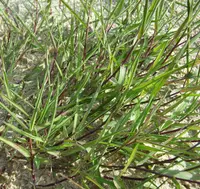
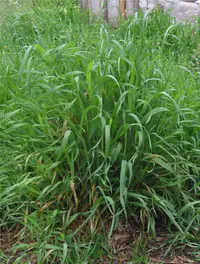
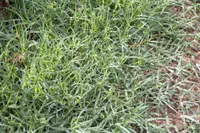
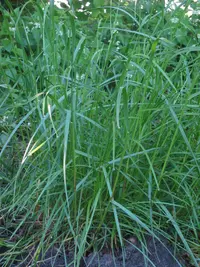
Recognize creeping bentgrass by its creeping stolons that root at the nodes, forming a dense low mat, and by its narrow, flat leaf blades with a distinct boat-shaped tip.

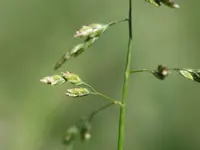
Flowering stems carry an open, fine-branched panicle above the leaves, typically on plants staying under 1 foot (30 cm) tall.

Agrostis stolonifera Identification

Identify Your Plant with Botan

Check your plant ID by uploading a clear photo to Botan.

Clear images work best. Avoid photos taken too close or too far away

Check the turf-forming habit and leaf details first on Agrostis stolonifera.

  • Forms a dense, low mat that spreads by obvious creeping stolons running along the soil surface.
  • Leaf blades are flat, narrow, and usually about 1-4 inches (2.5-10 cm) long.
  • The collar area shows a long, pointed ligule, a thin membrane where the blade meets the sheath.
  • Flower heads are open, airy panicles with many very fine branches, giving a light, cloudlike outline.

The above-ground stolons and long ligule are especially useful when the plant is not in flower.

Agrostis stolonifera shows clear visual changes from upright seedlings to creeping, flowering turf.

  • Seedling: Seedlings appear as fine, upright blades arising singly, without runners, forming small tufts rather than a spreading mat.
  • Young plant: Young plants begin producing aboveground stolons, or creeping stems, that root at nodes and link short leafy shoots into a thin patch.
  • Mature plant: Mature growth forms a dense, low carpet usually 4-8 inches (10-20 cm) tall, with many stolons and noticeably finer leaves than earlier shoots.
  • Flowering stage: Flowering shoots rise above the mat and carry open, airy panicles with many tiny spikelets, making the plant look looser and more upright.

In late spring to summer, Agrostis stolonifera becomes easier to spot when airy, open flower heads rise above the fine turf-like leaves. These pale green to purplish panicles give patches a light, hazy look. In colder periods, patches often stay low and matted, with creeping stolons more visible where surrounding grass thins or turns brown.

A few low, fine-textured turf grasses are regularly mistaken for creeping bentgrass.

Colonial bentgrass(Agrostis capillaris)

Both are fine-bladed bentgrasses used in turf. Agrostis capillaris grows in tufts rather than obvious creeping stolons, so it forms bunches instead of runners spreading over the surface.

Rough bluegrass(Poa trivialis)

This grass also spreads and can make pale, soft patches in lawns. It differs by its boat-shaped leaf tips and a shinier, lighter green leaf surface than Agrostis stolonifera.

Annual bluegrass(Poa annua)

Both can appear as low, patchy turf grasses. Poa annua usually has broader leaves and quickly shows many small, open seedheads even at mowing height.

Agrostis stolonifera is native across much of Europe, temperate Asia, and North Africa, and it is strongly tied to moist, open ground. It is often found in wet meadows, marsh edges, ditches, riverbanks, and coastal grassland. That setting helps with identification because this grass commonly appears where the soil stays damp or periodically flooded. A fine-textured bentgrass covering low, wet ground is more likely to be Agrostis stolonifera than a similar turf grass from drier sites.

Not Sure About the ID?

Use Botan to compare a photo and get help identifying or confirming the plant before you label it.

FAQ

Yes. This plant is often identified by its creeping stolons, very fine leaf blades, and a long membranous ligule at the leaf base. Those traits are usually more useful than seed for how to identify creeping bentgrass.

More Plant Identification Guides

Identify First. Learn What Comes Next.

Snap a photo with Botan to identify the plant, then get plant details, care information, and common problems for that species.

Botan app identifying a plant from a photo
How to Winterize Your Garden in 6 Steps

5 min read · 28 Sept 2026

How to Winterize Your Garden in 6 Steps

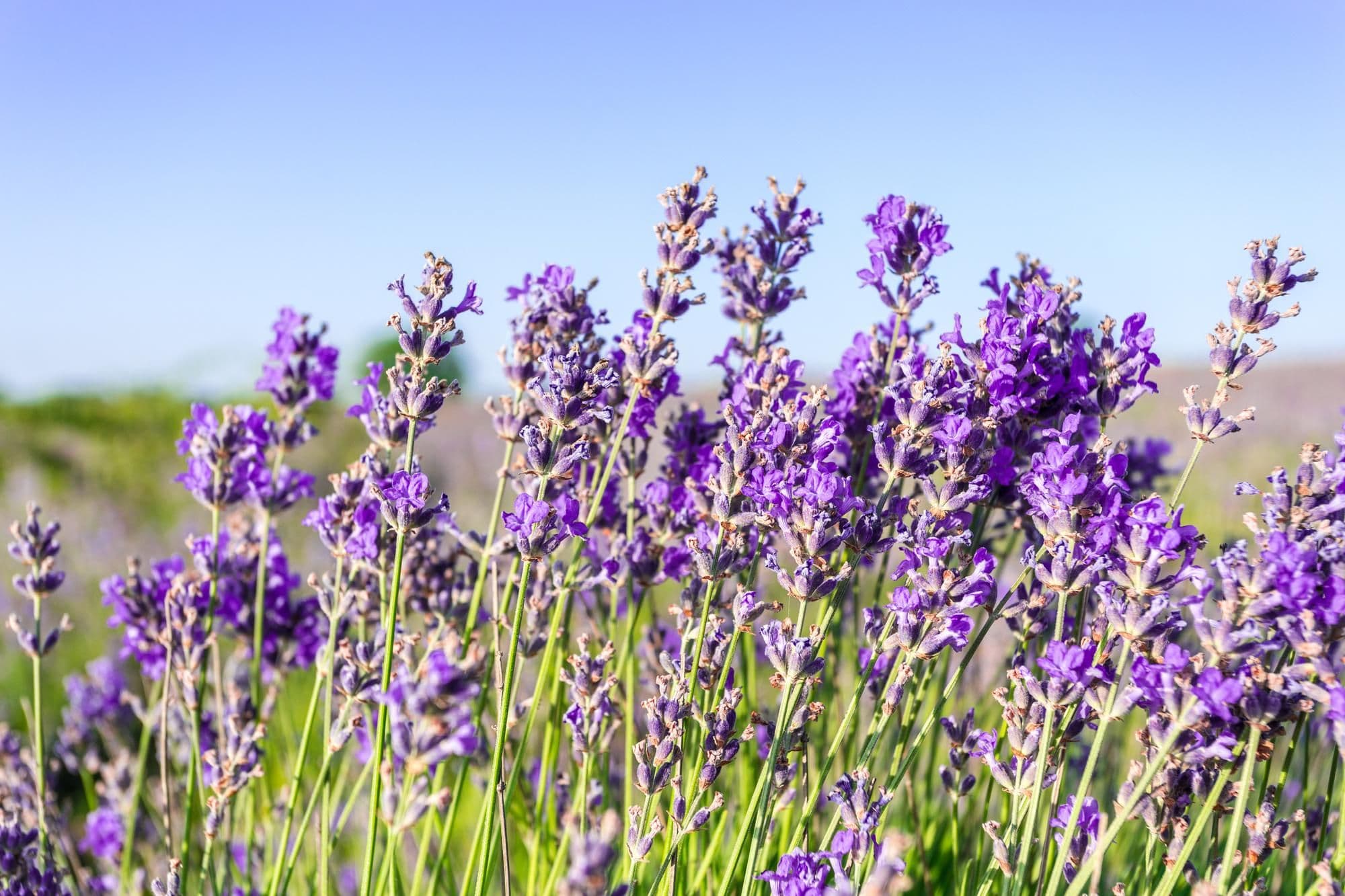
Learn how to prepare your garden for winter with a practical six-step checklist covering cleanup, tender plant care, watering, mulching, winter protection, and winterizing equipment and containers.

Plant Care
How to Winterize Your Garden in 6 Steps
12 Best Plants That Repel Spiders For Your Home and Garden

8 min read · 24 Jul 2026

12 Best Plants That Repel Spiders For Your Home and Garden

Spiders constantly appear in places you don't want them. A few common plants can help repel them using scent alone. Here are 12 options suitable for both indoors and outdoors, plus care tips for each.

Plant Recommendations
12 Best Plants That Repel Spiders For Your Home and Garden
13 Best Front Yard Trees for Every Home and Yard

12 min read · 7 Aug 2026

13 Best Front Yard Trees for Every Home and Yard

A front yard tree can stay for decades. Therefore, choosing one deserves serious consideration. Here are 13 trees that have proven themselves, sorted by their purpose. You'll also find five species to avoid and basic planting information.

Plant Recommendations
13 Best Front Yard Trees for Every Home and Yard