perennial ryegrass Care (Lolium perenne)

Also known as: English Rye Grass, Italian ryegrass, Perennial Rye, Strand Wheat, winter ryegrass, ray grass
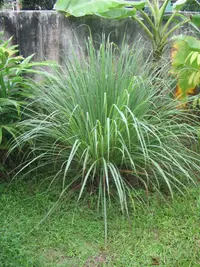
perennial ryegrass

About perennial ryegrass

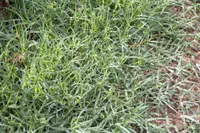
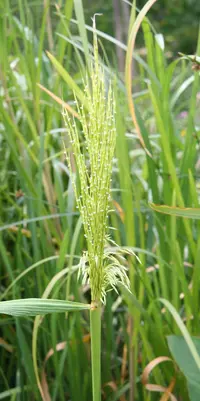
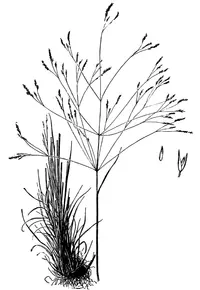
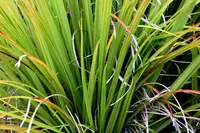
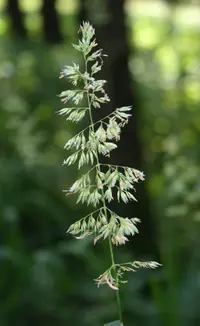
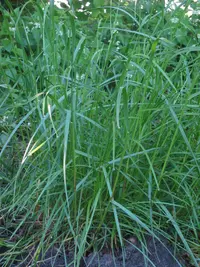
Perennial ryegrass (Lolium perenne) is a cool-season turf grass valued for its fast germination, dense growth, and bright medium-green color. It forms a fine to medium-textured lawn with upright, tufted clumps rather than spreading stolons or rhizomes.

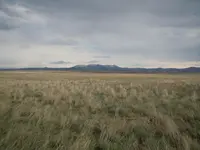
This species is native to Europe and western Asia but is now widely used in lawns, sports fields, and pasture across temperate regions, including much of North America. It responds well to regular mowing and foot traffic, which makes it popular for high-use areas.

Perennial ryegrass prefers full sun, consistent moisture, and well-drained, moderately fertile soil. These traits, plus its quick establishment, make it relatively easy to care for perennial ryegrass in many home lawn settings.

Main Plant Requirements

Care Difficulty

Moderate Care

Light Preference

Full Sun

Water Requirements

Regular Water

Temperature Preference

Cool Climate

Hardiness Zone

3–9

Soil Texture

Sandy, Loamy, Clay

Soil pH

Acidic (5.5–6.5), Slightly acidic (6.5–7.0)

Soil Drainage

Moist but well-drained

Fertilization

Light (every 4–6 weeks)

Get Personalized Care Plan

Scan your plant to receive care tips personalized for your specific plant

Available on iOS and Android

How to Care for the perennial ryegrass

Lolium perenne thrives in cool, bright conditions with consistent direct light exposure.

  • Provide 4–6 hours of direct sun daily, ideally morning sun with light afternoon shade, to support dense turf growth.
  • Plant in open areas that receive at least bright open sky or very light tree shade; perennial ryegrass tolerates light shade but thins in dense shade.
  • In hot summers, protect from harsh afternoon sun in warm regions to reduce leaf scorch and moisture stress, especially on shallow soils.

Lolium perenne prefers evenly moist, well-drained soil without long dry spells or standing water.

  • Aim for soil that feels moist in the top 5–7 cm; water when this layer begins to dry, then apply enough to moisten 10–15 cm deep.
  • Increase watering during hot, windy periods; reduce in cool, rainy seasons but avoid waterlogging by ensuring good drainage and no puddling.
  • Watch for dull, bluish leaves and footprints that linger as signs of drought stress; yellowing, soft, or algae-covered soil suggests excess moisture.

This cool-season grass grows best in mild conditions and slows in extreme heat or cold.

  • Optimal growth occurs around 60–75°F (16–24°C); growth is strong in cool spring and fall and lighter in midsummer and midwinter.
  • The turf usually tolerates down to about 20°F (-6°C) with snow cover and short dips slightly lower, but repeated freeze–thaw can thin weak areas.
  • Growth declines above 85°F (29°C); prolonged periods over 90°F (32°C) with warm nights increase stress, so adjust mowing height and irrigation to reduce heat damage.

Humidity is rarely a limiting factor for Lolium perenne grown outdoors in temperate climates.

  • Perennial ryegrass performs well at 30–60% relative humidity and tolerates lower levels if soil moisture is stable.
  • Dry air becomes problematic only when combined with high heat and drought, leading to leaf tip browning and faded color.
  • Increase functional humidity around turf by avoiding heat-reflective hardscapes nearby and by irrigating deeply rather than frequent light misting.

Lolium perenne prefers cool, moist, well-structured mineral soil that drains freely but does not dry out quickly.

  • Use a loamy soil with moderate organic matter; aim for a mix of roughly 60% mineral topsoil, 30% compost, and 10% coarse sand for stability and drainage.
  • Maintain pH around 6.0–7.0; in acidic soils below 5.5, apply agricultural lime as recommended by a soil test to support nutrient uptake.
  • Improve drainage and aeration on compacted or heavy clay sites by incorporating sharp sand and compost into the top 10–15 cm before seeding.
  • Avoid waterlogged, poorly drained spots where puddles persist longer than 24 hours, since saturated conditions promote root rot and thinning of the sward.

This grass can be grown in containers short term, but it is less durable in pots than in open ground.

  • Choose a wide, shallow container to match its fibrous, surface-leaning roots and to prevent rapid tipping in wind-exposed spots.
  • Select heavier materials like ceramic or thick-walled plastic outdoors to reduce overheating and rapid moisture loss from the root zone.
  • Elevate the pot slightly on feet or blocks so drainage holes clear deck or patio surfaces, allowing quicker removal of excess water after irrigation or rain.

Lolium perenne responds well to moderate, balanced nutrition during active growth.

  • Use a balanced lawn fertilizer (for example NPK 20-5-10) or well-aged compost to support dense turf.
  • Feed 2–4 times during the main growing season, spacing applications by at least 6–8 weeks.
  • Apply at the label’s recommended rate, or at 1/2–3/4 strength for young or stressed turf to reduce burn risk.
  • Stop or greatly reduce feeding in late fall and winter, when growth naturally slows.

Pruning for Lolium perenne is mainly managed through mowing rather than hand trimming.

  • Mow during the active growing season to maintain the desired height and encourage dense, lateral growth.
  • Remove damaged, diseased, or bare patches by cutting out affected turf before overseeding.
  • Use a sharp mower blade or grass shears to create clean cuts and reduce leaf shredding.
  • Gradually reduce lawn height instead of cutting more than 1/3 of the leaf blade in a single pass.

Lolium perenne is usually grown as lawn or pasture turf, so care focuses on transplanting or establishing new areas rather than frequent repotting.

  • Transplant or establish sod and plugs in early spring or early fall, when temperatures are mild and moisture is more reliable.
  • Consider moving container-grown clumps when roots circle the pot, growth slows, or soil dries out very quickly after watering.
  • Prepare the new site with well-drained soil, then transplant at the same depth and firm soil gently around the roots to limit air pockets.
  • Water deeply immediately after transplanting and keep soil evenly moist for 2–3 weeks to reduce root stress and help establishment.

Propagation of Lolium perenne is most commonly done by seed for lawns and pastures.

  • Sow fresh seed in early fall or early spring, when soil temperatures are cool to mild and moisture is consistent.
  • Prepare a fine, weed-free seedbed, then broadcast seed evenly and lightly rake so seeds sit just beneath the soil surface.
  • Keep the top 1–2 cm of soil consistently moist until germination, which usually occurs within 5–10 days in suitable conditions.
  • For small clumps, division in early spring is possible by lifting, gently separating sections with roots attached, and replanting promptly.

Lolium perenne is a cool-season grass that is generally cold hardy and needs minimal winter care in most temperate climates.

  • In regions with severe freezes, maintain a mowing height on the higher side going into winter to protect the crown tissue.
  • Avoid heavy traffic on frozen or snow-covered turf to limit crown and root damage.
  • For containers, move pots to a sheltered, unheated but frost-sheltered spot and insulate the container sides if prolonged hard freezes are expected.

Care Tips

Overseed Rotation

Lightly overseed thin or stressed patches every fall using a similar cultivar mix to maintain turf density and uniform appearance without full renovation.

Mower Height Checks

Measure and recalibrate mower blade height several times per season, keeping blades sharp, to reduce leaf shredding and lower disease pressure in the turf canopy.

Traffic Management

Rotate play areas, move goalposts, and shift footpath routes regularly so that no section experiences constant compaction, then lightly aerate high-use zones 2–3 times per year.

Targeted Disease Scouting

Inspect the lawn early in the morning once a week for irregular discolored patches or leaf spots, and record dates and locations so any recurring fungal issues can be treated at the correct time and area only.

Soil Compaction Testing

Use a simple soil probe or screwdriver test in multiple spots each season to identify compacted zones and prioritize those areas for core aeration and, if possible, light topdressing with compatible sand or sandy loam to support healthy root growth when caring for perennial ryegrass.

Everything About perennial ryegrass

Common Pests and Diseases

Gray leaf spot

This disease causes small, water-soaked lesions on leaves that enlarge into tan or gray spots with darker borders, often leading to rapid thinning of perennial ryegrass turf in warm, humid weather.

Solution

Reduce evening irrigation, improve airflow, and avoid high nitrogen during warm, wet periods; remove and discard heavily infected clippings, and if needed apply a lawn fungicide labeled for gray leaf spot, rotating active ingredients to limit resistance.

Crown rust

This disease produces orange to yellow powdery pustules on leaf surfaces, causing leaf yellowing, reduced vigor, and a dusty orange residue that rubs off on shoes or equipment.

Solution

Mow regularly and collect clippings during heavy infection, reduce excess nitrogen, and water in the early morning; in severe cases, use a rust-labeled fungicide and consider overseeding with more resistant turf varieties as part of long-term Lolium perenne care.

Red thread

This disease leads to irregular tan patches in the lawn with pink to red threadlike fungal growth on leaf tips, most often in cool, wet conditions and low-nitrogen soils.

Solution

Increase balanced nitrogen fertilization within recommended rates, improve drainage and mowing practices, and water deeply but infrequently; fungicides are rarely necessary but can be used in persistent or high-value turf situations.

Dollar spot

This disease creates small, round, straw-colored spots in the turf that can merge into larger patches, often showing bleached lesions with reddish-brown borders on individual blades.

Solution

Maintain even soil moisture without frequent light watering, avoid under-fertilizing with nitrogen, and improve air movement; apply a labeled fungicide for dollar spot if cultural changes do not stop progression, alternating chemical groups.

Billbugs

These insects damage perennial ryegrass by larvae feeding inside stems and on roots, causing scattered straw-colored patches that pull up easily and break at the crown when tugged.

Solution

Inspect thatch and soil for larvae in late spring to early summer, reduce excessive thatch, and encourage a deep root system through proper watering; where thresholds are exceeded, use a targeted lawn insecticide at the correct timing for billbug larvae, following label directions closely.

Interesting Facts

Key pasture grass

Perennial ryegrass is one of the most widely used cool-season pasture grasses in temperate regions, especially for dairy and sheep systems, because it combines fast establishment with high digestibility for grazing animals.

High endophyte variation

Many wild and some cultivated populations host fungal endophytes (Neotyphodium/Epichloë species) that live inside the leaves and can increase drought and pest tolerance, but plant breeders also develop endophyte-free or novel-endophyte cultivars to avoid livestock toxicity issues.

Very short-lived perennial

Although classed as a perennial, it often persists for only 3–5 years in many managed swards, especially under heat or drought stress, which leads agronomists to treat it as a short-lived perennial rather than a long-term turf base.

Botan icon

Did you know?

In some countries, such as New Zealand and parts of Europe, perennial ryegrass is considered so agronomically important that entire pasture improvement programs and national breeding efforts focus on creating region-adapted cultivars that balance animal performance, persistence, and environmental impact.

FAQs about perennial ryegrass

Brown tips or patches usually come from drought stress, high heat, salt buildup from fertilizers, or mowing too short. Improve watering consistency, raise mowing height, and flush soil periodically to reduce salts and prevent further leaf damage.

Grow Healthy Plants with Botan Care

Keep your plants happy and healthy with plant identification, disease detection, and easy care guidance.

Botan plant care app — identify plants on mobile

Explore More Plants