Seedling density control
Sow densely at first, then thin young clumps to 3–5 cm spacing once they have 3–4 true leaves to reduce competition and encourage stronger, more uniform tufts.

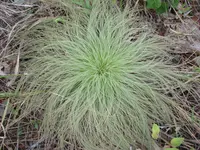
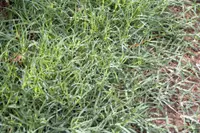
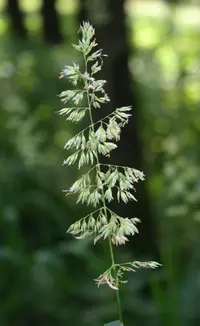
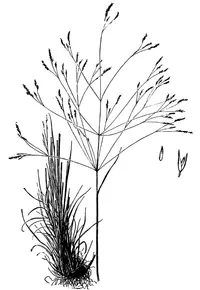
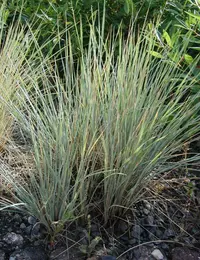
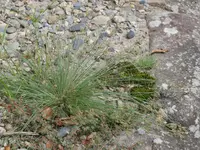
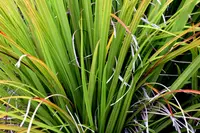
Bulbostylis paradoxa is a small, clump-forming sedge with fine, hair-like leaves and delicate tufted flower heads, giving it a soft, grassy look. It usually grows low to the ground and spreads in loose mats or cushions.
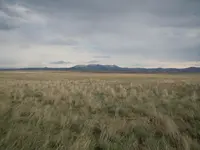
This species occurs naturally in seasonally dry, open habitats such as savannas and sandy grasslands, especially in tropical and subtropical regions. It is generally a tough, drought-tolerant plant, which makes it relatively easy to maintain once established.
To care for Bulbostylis paradoxa, it helps to provide plenty of sun, sharply draining sandy or gritty soil, and only occasional moisture, avoiding consistently wet conditions.

Care Difficulty
Easy Care

Light Preference
Full Sun

Water Requirements
Moderate Water

Temperature Preference
Warm Climate

Hardiness Zone
8–11

Soil Texture
Sandy, Loamy, Rocky

Soil pH
Acidic (5.5–6.5), Slightly acidic (6.5–7.0)

Soil Drainage
Well-drained

Fertilization
Minimal (feed rarely)
Scan your plant to receive care tips personalized for your specific plant
Available on iOS and Android
This sun-loving sedge thrives in open, bright sites with consistent exposure.
This species prefers evenly moist, fast-draining soil and does poorly in stagnant conditions.
This grass-like plant is adapted to warm conditions and dislikes frost or prolonged cold.
This species tolerates a wide humidity range and usually does not need special humidity management indoors.
This sedge prefers fast-draining, sandy or gritty soil that never stays waterlogged.
This species is suitable for container growing, especially in sunny, outdoor settings.
This species is adapted to very lean soils, so Bulbostylis paradoxa generally needs little to no fertilizer in cultivation.
Pruning needs are minimal and mainly cosmetic for this fine-textured sedge-like grass.
This plant is usually grown in the ground, so focus on transplanting rather than frequent repotting.
Propagation for Bulbostylis paradoxa is straightforward by seed and division under warm, bright conditions.
This warm-climate species has low frost tolerance and benefits from targeted winter protection in cooler regions.

Plant Health Check
Not sure what's wrong with your plant? Check your plant's health inside the app.
This species commonly colonizes dry, sandy or gravelly soils in open habitats, where its fine, tufted roots help stabilize loose substrates and reduce surface erosion.
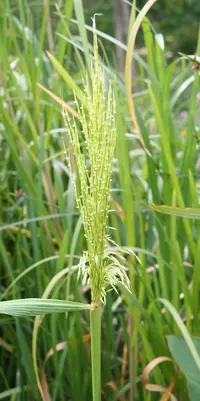
Its small, beaked spikelets bear fine hairs and bristles that help the fruits cling to passing animals or move with wind and surface water, extending the plant’s reach in sparse environments.
The plant forms dense, low tufts with narrow leaves, a growth form that limits water loss and allows it to persist in hot, seasonally dry regions of the Americas and parts of Africa.
This species is usually grown as an annual grass-like sedge, even though individual plants may persist longer in mild climates. It completes its main growth and seeding cycle within a single warm season under garden conditions.
Keep your plants happy and healthy with plant identification, disease detection, and easy care guidance.