watergrass Care (Bulbostylis barbata)

watergrass

About watergrass

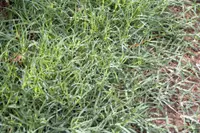
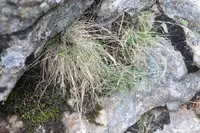
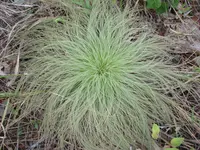
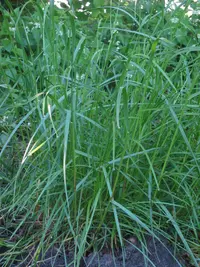
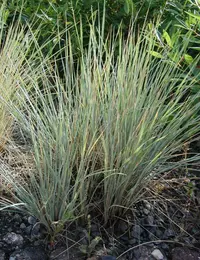
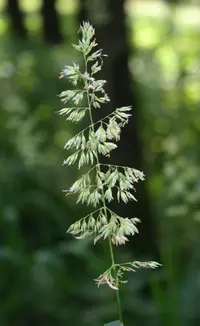
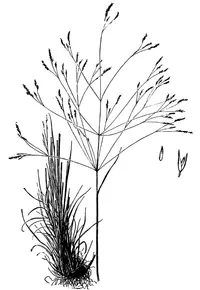
Bulbostylis barbata, often called watergrass, is a small annual sedge that forms fine, tufted clumps with delicate, grass-like leaves. It produces tiny, airy flower heads that give a soft, textured look.

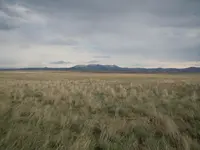
This species naturally occurs in warm, open habitats such as sandy fields, roadsides, and disturbed ground across tropical and subtropical regions. It tends to grow quickly where soil is loose and drainage is good.

The plant is generally easy to manage if given ample light and consistently moist but not waterlogged soil. Understanding how to care for watergrass starts with providing bright exposure and avoiding heavy, compacted substrates.

Main Plant Requirements

Care Difficulty

Moderate Care

Light Preference

Full Sun

Water Requirements

Moderate Water

Temperature Preference

Warm Climate

Hardiness Zone

9–11

Soil Texture

Sandy, Loamy, Organic-rich

Soil pH

Acidic (5.5–6.5), Slightly acidic (6.5–7.0)

Soil Drainage

Well-drained

Fertilization

Minimal (feed rarely)

Get Personalized Care Plan

Scan your plant to receive care tips personalized for your specific plant

Available on iOS and Android

How to Care for the watergrass

Bulbostylis barbata prefers bright, open conditions that mimic sunny grasslands.

  • Provide 6–8 hours of direct sun, ideally with morning sun and light afternoon exposure; it tolerates light partial shade but grows denser in full sun.
  • In hot regions, protect from intense late-afternoon sun with neighboring plants or light shade cloth to reduce leaf scorch and drying of shallow roots.
  • In shorter winter days, growth may slow; avoid moving watergrass into deep shade, or stems become weak and sparse.

Bulbostylis barbata prefers consistently moist but never stagnant soil.

  • Water when the top 1–2 cm of soil feels dry, aiming for evenly damp soil; in sandy or fast-draining sites this may mean more frequent, lighter watering.
  • Increase watering in hot, windy weather if foliage begins to curl or lose turgor, clear signs the plant is drying out.
  • Reduce watering in cooler seasons so the root zone stays just moist; yellowing, limp stems often indicate overwatering or poor drainage.

This species favors warm, frost-free conditions typical of subtropical grasslands.

  • Optimal growth occurs at 70–85°F (21–29°C); plants stay actively growing and produce denser clumps in this range.
  • It tolerates brief drops to about 45°F (7°C), but foliage quality declines; prolonged exposure near this minimum can stunt growth.
  • Protect from frost, as freezing temperatures can kill foliage and roots, and from extreme heat above 95°F (35°C) without extra moisture, which can cause tip burn and stress.

This species handles a wide humidity range but grows best with moderately moist air.

  • Aim for 40–60% humidity, which matches typical home conditions for most watergrass indoor care situations.
  • Tolerates brief drier air but prolonged levels below 30% can cause browning leaf tips and slowed growth.
  • Increase humidity by grouping pots, placing containers on pebble trays with water below the pot base, or lightly misting in very dry climates.

Bulbostylis barbata prefers lean, fast-draining, sandy substrates that never stay waterlogged.

  • Use a mix of 50–70% coarse sand with the rest split between fine gravel and a small amount of compost to provide minimal nutrients.
  • Ensure very sharp drainage so water runs through quickly, mimicking its natural habitat on open, often disturbed ground.
  • Keep pH slightly acidic to neutral (pH 6.0–7.0) by avoiding high-lime materials such as large amounts of crushed limestone.
  • Improve aeration and prevent compaction by including coarse particles (grit, perlite) and avoiding heavy clay-based mixes or peat-only substrates.

This species can be grown in containers if moisture and drainage are carefully balanced.

  • Choose a wide, shallow pot to accommodate its fine, fibrous roots and spreading clumps without creating deep, water-holding zones.
  • Use a pot with large drainage holes so brief, thorough watering is followed by rapid outflow of excess water.
  • Opt for terracotta or other porous materials if outdoor rainfall is frequent, to reduce the risk of chronically wet media.

Bulbostylis barbata is a low-nutrient grass-like plant that usually needs only very light feeding in containers.

  • Use a dilute balanced liquid fertilizer (about 1/4 strength, such as 10-10-10) for container-grown watergrass during active growth.
  • Feed every 4–6 weeks in spring and summer only if growth appears weak or leaves pale.
  • Avoid fertilizing in fall and winter, when growth slows, to prevent lanky, weak shoots.
  • In outdoor, in-ground plantings on reasonably fertile soil, skip additional fertilizer to maintain compact growth.

Bulbostylis barbata benefits from light, periodic grooming rather than heavy structural pruning.

  • Best timing is late winter or early spring before strong new growth starts.
  • Shear or trim back dead, browned, or damaged tufts with clean scissors or hand shears.
  • Remove crowded or lodging clumps to keep the plant airy and maintain its fine, tufted shape.
  • Disinfect tools before and after use to limit disease spread in dense plantings.

This small, fine-textured sedge-like plant is usually grown as a temporary container accent or in groundcovers, so disturbance is minimal.

  • Look for roots circling the pot drainage holes, pot-bound clumps, or noticeably slowed growth as signs it needs a larger container.
  • Plan repotting or outdoor transplanting in spring, once frost risk has passed and temperatures are steadily mild.
  • For containers, move into a pot just 1–2 in wider, using a free-draining sandy mix to avoid waterlogging.
  • Gently loosen the outer roots, water thoroughly after planting, and shade for a few days to reduce transplant shock.

This species is most often propagated from seed, though division of clumps is also feasible for Bulbostylis barbata.

  • Sow fresh seed in spring or early summer on the surface of a fine, sandy, well-drained mix; do not bury deeply.
  • Maintain even moisture and warmth around 70–77°F with bright, indirect light for best germination.
  • Once seedlings form several true leaves, thin or prick out into small plugs or pots to avoid crowding.
  • For division, gently split healthy clumps in spring, keeping small root portions intact, then replant and keep evenly moist.

This warm-season species lacks strong frost tolerance and benefits from simple precautions in colder regions.

  • In mild, frost-free climates, no special winter care is needed beyond avoiding waterlogged soil.
  • In regions below about 30°F, treat plants as annuals or overwinter containers indoors in bright, cool light.
  • If short light frosts occur, use a light mulch around the root zone of in-ground clumps to buffer temperature swings.

Care Tips

Renew Stands Regularly

Resow or divide clumps every 3–6 months to keep the foliage fine and dense, since older stands of this species quickly become sparse and less ornamental.

Use Shallow Containers

Choose wide, shallow trays or bowls no deeper than 8–10 cm to encourage a tight, lawn-like mat of foliage and prevent the roots from sitting in poorly aerated, stagnant substrate.

Edge Containment

In outdoor beds, sink plastic or metal edging 5–7 cm deep around the planting area to stop this fast seeder from spreading into nearby pots or beds.

Timely Shearing

Lightly shear the foliage with scissors just above the base when it becomes uneven or untidy, which stimulates fresh, uniform growth without stressing the plants.

Dense Seeding Technique

For a carpet effect when growing watergrass in trays, broadcast the seed very densely over the surface and press it in gently, rather than covering it with substrate, to achieve an even, moss-like look.

Common Pests and Diseases

Leaf spot fungi

This disease causes small brown or dark olive spots on the narrow leaves, which may merge under humid, crowded conditions. Symptoms include premature yellowing and drying of the leaf tips in dense containers or flats.

Solution

Remove and discard the most affected clumps, reduce overhead watering, and space plants to improve air flow. Allow the foliage to dry between waterings and, in persistent nursery situations, use a copper-based fungicide labeled for ornamental grasses as a preventative spray on dry foliage.

Rust

This disease produces tiny orange to brown pustules on both sides of the leaves, often on plants grown in warm, moist conditions with poor air circulation. Symptoms include reduced vigor and a dull, dusty appearance on the foliage.

Solution

Cut back and dispose of infected foliage and avoid wetting leaves when irrigating. Improve spacing and air movement, and if needed apply a sulfur or copper fungicide registered for rust on ornamental grasses, following label directions carefully.

Aphids

These insects form small clusters on young shoots and seed stems, sucking sap and causing distortion or slight yellowing of the fine foliage. This pest can leave sticky honeydew on nearby surfaces, sometimes followed by black sooty mold growth.

Solution

Rinse infested plants with a firm stream of water, focusing on stems and leaf bases, and repeat every few days until populations drop. For heavier infestations, use insecticidal soap or a light horticultural oil, applied in the early morning or evening to avoid leaf burn, as part of Bulbostylis barbata plant care in containers or nursery beds.

Spider mites

These pests appear in hot, dry conditions and may cause fine stippling, pale patches, and slight webbing on the very thin leaves. This pest can lead to a dry, tired look even when the soil is adequately moist.

Solution

Increase humidity around the plants, hose down foliage regularly to dislodge mites, and remove heavily damaged clumps. In persistent cases, apply insecticidal soap or a miticide labeled for ornamental grasses, ensuring thorough coverage of leaf surfaces.

Damping off

This disease affects seedlings, causing them to collapse at the soil line or fail to emerge, especially in warm, overly wet seed trays. Symptoms include water-soaked stems that quickly turn brown and fall over.

Solution

Use clean trays, fresh sterile seed-starting mix, and avoid overwatering or letting seedlings sit in standing water. Provide good air circulation, thin crowded seedlings promptly, and if damping off has been a problem, treat the seed-starting medium with a biological fungicide labeled for damping off organisms before sowing.

Interesting Facts

Ephemeral life cycle

This small annual sedge often completes its entire life cycle within a single rainy season, germinating, flowering, and setting seed quickly before dry conditions return.

Wide tropical distribution

It occurs naturally across much of tropical and subtropical Asia, Africa, and the Pacific, typically colonizing open, disturbed, or seasonally wet sandy soils.

Tiny clustered spikelets

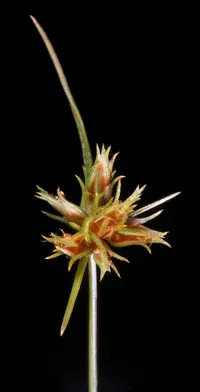
The plant forms delicate tufts topped with small clusters of brownish spikelets, each bearing several seeds that contribute to its rapid spread in suitable habitats.

FAQs about watergrass

Growth is relatively quick. From seed, it usually forms small clumps within a few weeks in warm weather, often reaching near-mature size in one season, especially in open, sunny, low-competition sites with light, well-drained soil.

Grow Healthy Plants with Botan Care

Keep your plants happy and healthy with plant identification, disease detection, and easy care guidance.

Botan plant care app — identify plants on mobile

Explore More Plants