Gymnocalycium anisitsii Care

Gymnocalycium anisitsii

About Gymnocalycium anisitsii

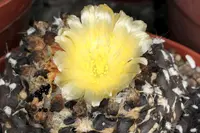
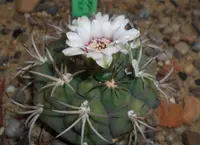
Gymnocalycium anisitsii is a small, globular cactus known for its rounded, ribbed stem and striking funnel-shaped flowers in shades of white, pink, or pale purple. It stays compact, which makes it suitable for windowsills and small indoor collections.

This species is native to Paraguay, Bolivia, and nearby regions of South America, where it grows in open, often rocky areas with good drainage. Its slow, compact growth and moderate drought tolerance make it relatively straightforward to manage once its basic needs are understood.

To care for Gymnocalycium anisitsii, provide bright but not scorching light, allow the soil to dry between waterings, and use a very well-drained, gritty cactus mix.

Main Plant Requirements

Care Difficulty

Easy Care

Light Preference

Partial Sun

Water Requirements

Low Water

Temperature Preference

Tropical / Frost Sensitive

Hardiness Zone

10–11

Soil Texture

Sandy, Loamy, Rocky

Soil pH

Acidic (5.5–6.5), Slightly acidic (6.5–7.0)

Soil Drainage

Well-drained

Fertilization

Minimal (feed rarely)

Get Personalized Care Plan

Scan your plant to receive care tips personalized for your specific plant

Available on iOS and Android

How to Care for the Gymnocalycium anisitsii

This cactus prefers bright, gentle light rather than intense, all-day sun exposure.

  • Provide 4–6 hours of bright light daily, ideally morning sun with light shade or filtered light from midday onward to prevent scorching of Gymnocalycium anisitsii.
  • In hot, dry climates, protect from strong afternoon sun with shade cloth or placement on an east-facing exposure to avoid yellowing or corky brown patches.
  • In winter, move outdoor plants to the brightest frost-free spot available, as very low light leads to elongated, pale growth and fewer flowers.

Watering should mimic short, infrequent desert rains with thorough drying between applications.

  • During active growth in spring–summer, water only when the top 3–5 cm of soil are completely dry, then soak thoroughly so excess drains away from the root zone.
  • Use a very fast-draining, gritty mix; persistent dampness, soft stem tissue, and a sour smell indicate overwatering and possible root rot in Gymnocalycium anisitsii.
  • In autumn–winter, reduce watering sharply, giving just enough to prevent shriveling; wrinkles that do not plump up after a light watering signal deeper drought stress.

This species prefers warm conditions with a marked cool, dry rest period.

  • Aim for 70–85°F (21–29°C) in spring–summer for best growth, with good air movement to prevent heat buildup around the stem and root zone.
  • Protect from temperatures below 40°F (4°C); brief dips to 35°F (2°C) are possible if kept completely dry, but any frost can damage tissues.
  • In winter, a cool rest at 45–55°F (7–13°C), dry and bright, supports flowering, while in extreme heat above 95°F (35°C) provide shade and ventilation to avoid stress.

This cactus prefers fairly dry air and usually does best at 30–50% humidity.

  • Tolerates typical indoor dry air well, so no humidifier is needed in heated or air‑conditioned rooms.
  • Watch for prolonged softness, pale new growth, or minor corking near the base as signs of excess humidity combined with poor airflow.
  • If air is very dry and hot, place the pot on a wide pebble tray with water below the pot base to slightly raise humidity without wetting the roots.

Gymnocalycium anisitsii needs a very fast-draining, gritty substrate that dries quickly between waterings.

  • Use a cactus mix amended to roughly 50–70% mineral material such as pumice, coarse sand, and small grit for an open, sandy texture.
  • Aim for slightly acidic to neutral pH around 6.0–7.0, avoiding heavy lime additions that can interfere with nutrient uptake over time.
  • Increase aeration and drainage by avoiding peat-heavy bagged mixes and breaking up any fine particles that might form a dense, water-holding layer.
  • Do not use garden soil, clayey substrates, or moisture-retentive mixes with a lot of coco coir, as these hold water around the roots and promote rot.

This species is very suitable for container growing due to its compact, shallow root system.

  • Choose a pot only 1–2 in wider than the plant body to prevent excess unused mix from staying wet after watering.
  • Select unglazed terracotta if extra evaporation is needed in cooler or dimmer locations, or plastic if the plant dries too quickly in hot, bright spots.
  • Keep the drainage holes fully open by using a single mesh screen instead of stones so excess water exits immediately after each watering.

This small cactus benefits from light feeding during the warm growing season but is sensitive to excess nutrients.

  • Use a low-salt, balanced cactus fertilizer (around 10-10-10) diluted to 25–50% strength.
  • Feed Gymnocalycium anisitsii every 4–6 weeks in spring and summer when actively growing.
  • Do not apply compost or rich organic mixes that stay wet for long periods.
  • Stop feeding in fall and winter to align with the plant’s rest period.

This cactus needs almost no structural pruning, only simple cleaning to keep it healthy.

  • Carry out any work in spring or early summer during active growth.
  • Use clean, sharp scissors or a sterile knife to remove dead, diseased, or rotting tissue at the base.
  • Trim spent, moldy, or damaged flower remains to reduce infection risk without altering the plant’s shape.
  • Allow all cut surfaces to dry and callus before watering again to prevent rot.

Container-grown plants appreciate occasional repotting to refresh the soil and manage root health.

  • Repot every 3–4 years, or when roots circle the pot, growth slows, or soil stays wet too long.
  • Choose late spring as the best time, when temperatures are stable and growth is starting.
  • Use a slightly larger pot with a fast-draining cactus mix, handling the roots gently to limit damage.
  • Let roots dry for 2–3 days after repotting before a light watering, then resume normal care gradually.

This species is commonly propagated from offsets and seeds under warm, bright conditions.

  • Detach small offsets in late spring or summer, cutting cleanly at the base with a sterile knife.
  • Allow cut surfaces to callus in dry air for several days before placing on slightly moist cactus mix.
  • Provide bright, indirect light, 70–80°F warmth, and very light watering to encourage rooting.
  • For seeds, sow on the surface of sterile, fine mix, keep evenly slightly moist, and maintain gentle warmth.

Cool, dry winter conditions help this cactus rest and prepare for better flowering next season.

  • Keep plants above 40°F; freezing can damage or kill the stems.
  • Move containers indoors to a bright windowsill or cool, well-lit room in cold climates.
  • Reduce watering sharply, giving only small amounts every 4–6 weeks to prevent shriveling.
  • Ensure soil and pot dry quickly, and avoid cold drafts or very damp air around the plant.

Care Tips

Use clay pots

Grow this cactus in an unglazed clay pot with a drainage hole to let excess moisture evaporate faster and reduce the risk of root rot compared to plastic containers.

Top-dress with grit

Add a 0.5–1 cm layer of coarse sand or small gravel on the soil surface to keep the neck of the plant dry, discourage fungus gnats, and reduce algal or moss growth.

Rotate seasonally

Turn the pot 90° every 2–3 weeks during the growing season so the stem stays symmetrical and does not lean toward the strongest light source.

Winter rest setup

From late fall, move the plant to the brightest, coolest indoor spot available and keep it completely dry to support flower bud formation and long-term health when caring for Gymnocalycium anisitsii.

Inspect rib crevices

Check regularly between the ribs and around the areoles for mealybugs or scale insects, and remove them early with a cotton swab dipped in isopropyl alcohol before they spread.

Common Pests and Diseases

Red spider mites

This pest thrives on Gymnocalycium skin in hot, dry, stagnant air, causing a dull, dusty look and fine webbing between ribs or around areoles. Symptoms include yellowing patches and a generally weakened plant over time.

Solution

Rinse the cactus under a gentle lukewarm shower or hose to remove mites, then increase air movement and avoid overheated, very dry indoor spots. If populations persist, apply a ready-to-use insecticidal soap or neem oil spray to the stem surface every 7–10 days, keeping the plant shaded until dry.

Mealybugs

These insects settle in rib grooves, around areoles, and at the base of spines, forming white cottony clusters and sucking sap. Symptoms include slow growth, slight wrinkling, and sticky honeydew that may encourage sooty mold.

Solution

Remove visible clusters with a cotton swab dipped in 70% isopropyl alcohol, then inspect the plant and pot regularly for several weeks. For heavier infestations, use an insecticidal soap or neem oil spray directed into crevices and repeat applications until no new insects appear, while isolating the plant from others.

Scale insects

This pest appears as hard, dome-shaped brown or gray bumps attached firmly to the cactus ribs, especially on shaded sides and near the base. Symptoms include localized yellowing and gradual loss of vigor as sap is removed.

Solution

Gently pry off scale insects with a wooden toothpick or soft brush and wipe the stem with a cloth lightly moistened with 70% isopropyl alcohol. Follow up with 1–2 treatments of insecticidal soap or horticultural oil, making sure to wet all surfaces, and keep the plant in bright but indirect light during recovery.

Fungal stem spots

This disease develops on overwatered or poorly ventilated plants as small brown, sunken spots that can slowly expand on the stem surface. Symptoms include hardened, corky lesions that remain as scars and may merge if conditions stay humid and cool.

Solution

Improve watering discipline by allowing the soil to dry almost fully between waterings and ensure strong light and airflow around the plant. Cut out small, active lesions with a sterile blade if feasible, dust the wound with a dry sulfur or copper-based fungicidal powder, and keep the cactus dry and shaded for several days afterward.

Basal stem rot

This disease starts at the soil line in overly wet, compact, or cold substrates, leading to soft, discolored tissue and plant instability. Symptoms include a yellowing, shrinking top while the base turns brown, mushy, and may emit an unpleasant odor.

Solution

At the earliest signs, unpot the plant, remove all soft or discolored tissue with a sterile knife, and dust the healthy cut surface with sulfur or a fungicidal powder, then allow it to dry for several days before attempting to re-root in a fresh, very coarse cactus mix. Prevent recurrence by using a fast-draining mineral-rich substrate, a pot with large drainage holes, and a strict dry rest in cool seasons, which is central to reliable Gymnocalycium anisitsii care.

Interesting Facts

Distinct chin-like ribs

This species develops rounded ribs that form pronounced, chin-like tubercles beneath each areole, a structural trait that helps the stem expand and contract efficiently with changing water availability.

Nocturnal flower opening

Its large, pale pink to white funnel-shaped flowers open in the evening or at night and often stay open into the following day, an adaptation that aligns with pollination by night-active insects in its native habitat.

Floodplain habitat specialist

In the wild, it typically grows in lowland Chaco and floodplain environments of Paraguay, Brazil, Bolivia, and Argentina, where it tolerates periodic soil saturation that many other cacti cannot handle for long.

Botan icon

Did you know?

Gymnocalycium anisitsii was one of the early Gymnocalycium species described from Paraguay in the late 19th century, and its distinctive morphology has led to numerous described varieties and forms that taxonomists still debate and periodically reclassify.

FAQs about Gymnocalycium anisitsii

Growth is slow to moderately slow. A healthy plant usually reaches 5–8 cm tall and 6–10 cm across over several years, forming offsets that create small clumps rather than a single large specimen.

Grow Healthy Plants with Botan Care

Keep your plants happy and healthy with plant identification, disease detection, and easy care guidance.

Botan plant care app — identify plants on mobile

Explore More Plants