


Protect leaf margins
Place the pot where it will not be brushed by people or pets, as repeated contact snaps the stiff leaf teeth and can lead to brown, disfigured edges over time.

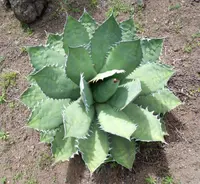
Chalk agave (Agave titanota) is a compact, rosette-forming succulent known for its thick, chalky blue-green leaves with bold, contrasting spines. It grows slowly and stays relatively low, which makes it suitable for containers, rock gardens, and dry landscapes in warm climates.
This species is native to arid regions of Mexico, where it thrives in strong sun and very well-drained, rocky soils. Its drought tolerance and slow growth make it relatively low-maintenance once established, but it dislikes overly wet or heavy soils. Understanding how to care for chalk agave starts with providing bright light, minimal watering, and excellent drainage.

Care Difficulty
Easy Care

Light Preference
Full Sun

Water Requirements
Low Water

Temperature Preference
Warm Climate

Hardiness Zone
9–11

Soil Texture
Sandy, Loamy, Rocky

Soil pH
Slightly acidic (6.5–7.0), Neutral (7.0)

Soil Drainage
Well-drained

Fertilization
Minimal (feed rarely)
Scan your plant to receive care tips personalized for your specific plant
Available on iOS and Android
This desert succulent thrives in strong light but benefits from some protection from extreme afternoon sun.
This species stores water in its leaves and prefers infrequent, deep watering in fast-draining soil.
This agave prefers warm, dry conditions and only short exposure to cold.
Humidity is rarely a concern, as this species thrives in dry air.
Agave titanota needs a very fast-draining, mineral-rich mix to prevent root rot.
This species is well suited to container growing when the pot supports its slow, heavy rosette habit.
This drought-adapted succulent needs only light feeding to support steady growth in containers.
Agave titanota needs minimal pruning, focused on hygiene and safety rather than shaping.
This slow-growing agave tolerates tight quarters and repotting is infrequent but still important for long-term container health.
New Agave titanota plants are most often produced from offsets, with seed used mainly by collectors and nurseries.
This species has some cold tolerance but benefits from dry, sheltered conditions during winter, especially in colder climates.

Plant Health Check
Not sure what's wrong with your plant? Check your plant's health inside the app.
This species often develops a whitish, powdery bloom on its blue-green leaves, which helps reflect intense sunlight and reduce water loss in its native arid habitat.
The plant is known for its exaggerated, hook-like marginal teeth that leave permanent imprints on the leaf surface as each new leaf unfolds, creating a characteristic pattern used in identification.
Agave titanota is believed to have a relatively limited natural distribution in limestone hills of Oaxaca, Mexico, which contributes to ongoing interest in conservation and responsible cultivation of wild-type forms.

Some botanists consider certain cultivated forms and wild Oaxacan populations so distinct in leaf shape and armature that they have proposed splitting them into separate taxa, which is why scientific treatment of this species has been taxonomically unstable for decades.
This species usually flowers only once at full maturity, often after many years or decades. Lack of bloom is normal in younger plants. Adequate light, minimal disturbance, and stable conditions support long-term energy storage for eventual flowering.
Keep your plants happy and healthy with plant identification, disease detection, and easy care guidance.

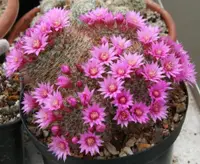
Mammillaria zeilmanniana
Mammillaria zeilmanniana
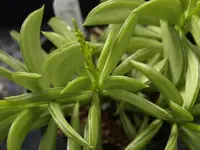
Prayer Pepper
Peperomia dolabriformis
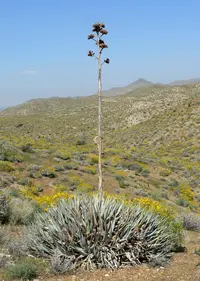
desert agave
Agave deserti
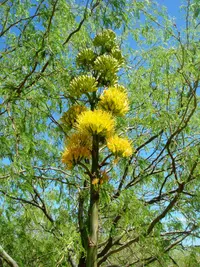
goldenflower century plant
Agave chrysantha
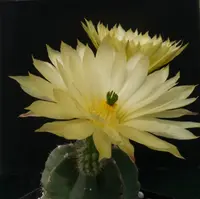
Echinocereus subinermis
Echinocereus subinermis
Copiapoa humilis
Copiapoa humilis
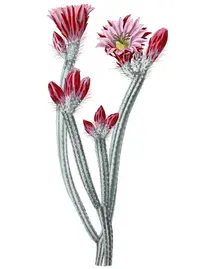
dahlia hedgehog cactus
Echinocereus poselgeri
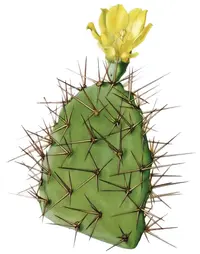
prickly pear
Opuntia sulphurea