


Deep pot choice
Use a pot that is deeper than it is wide with generous drainage holes so the strong taproot can develop fully and excess water leaves the root zone quickly.

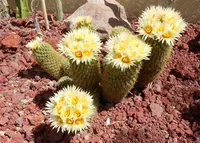
Coryphantha erecta is a small, globular to slightly columnar cactus native to arid regions of northern and central Mexico. It typically forms a single stem with distinct raised tubercles instead of ribs. Spines are arranged in neat clusters, giving the plant a tidy, sculptural look, and small yellowish flowers often appear near the top in warm seasons.
This species grows slowly and stays compact, which suits windowsills and small indoor collections. It prefers bright light, low humidity, and fast-draining mineral soil. Once its basic needs are understood, many growers find it straightforward to care for Coryphantha erecta.

Care Difficulty
Moderate Care

Light Preference
Full Sun

Water Requirements
Low Water

Temperature Preference
Warm Climate

Hardiness Zone
9–11

Soil Texture
Sandy, Rocky, Loamy

Soil pH
Slightly acidic (6.5–7.0), Neutral (7.0)

Soil Drainage
Well-drained

Fertilization
Minimal (feed rarely)
Scan your plant to receive care tips personalized for your specific plant
Available on iOS and Android
This small desert cactus needs strong light but benefits from some protection from the harshest sun.
This species prefers thorough but infrequent watering that mimics desert rainfall patterns.
This cactus is adapted to warm, dry climates and dislikes prolonged cold or damp.
This cactus prefers dry air and does not require special humidity control.
This cactus needs a very fast-draining, mineral-rich substrate to prevent root rot.
This species is well suited to container growing when drainage and stability are managed carefully.
This desert cactus benefits from light feeding but is sensitive to excess nutrients and salts.
Pruning needs are minimal, focusing on hygiene and safety rather than shaping this small cactus.
This slow-growing cactus prefers infrequent repotting with minimal disturbance to its roots.
Propagation is usually done from seed, as this species seldom forms offsets and cuttings are not practical.
Cold management is important, especially in containers and in climates with freezing winters.

Plant Health Check
Not sure what's wrong with your plant? Check your plant's health inside the app.
Each stem tubercle of this species develops a shallow longitudinal groove as it matures, a key diagnostic feature that helps separate it from similar Coryphantha species in the field.
In its native Mexican habitats, this cactus grows and flowers mainly during the summer rainy season, then slows almost to dormancy in the dry winter months to conserve water.
Mature plants produce relatively large, bright yellow funnel-shaped flowers near the stem apex in summer, creating a striking contrast with the dark green, rounded body.
This cactus grows slowly, often adding only a few millimeters in height and girth each year. It may take many years to noticeably increase in size, which is normal and not a sign of poor care.
Keep your plants happy and healthy with plant identification, disease detection, and easy care guidance.

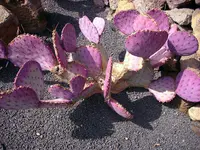
purple pricklypear
Opuntia macrocentra
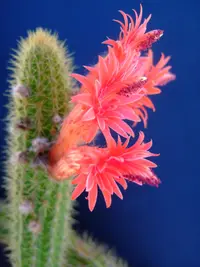
Cleistocactus samaipatanus
Cleistocactus samaipatanus
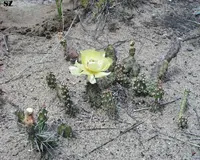
brittle pricklypear
Opuntia fragilis

Gasteria
Gasteria 'Little Warty'
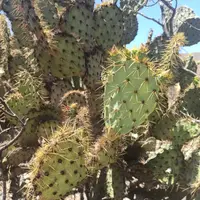
Engelmann's Prickly Pear
Opuntia engelmannii
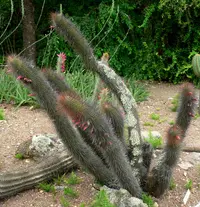
old man of the mountain
Cleistocactus buchtienii
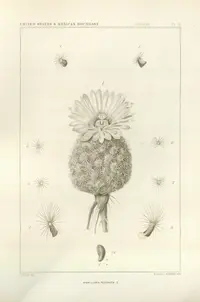
rhinoceros cactus
Coryphantha echinus
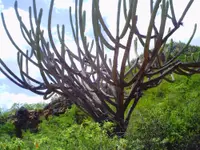
Pilosocereus pachycladus
Pilosocereus pachycladus