


Stabilize Long Stems
Once stems exceed 30–40 cm, anchor the pot in a heavier cachepot or add discreet gravel weight to the base so the plant does not tip as the tall, narrow columns lean outward.

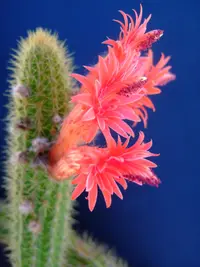
Cleistocactus samaipatanus is a columnar cactus native to Bolivia, where it grows on rocky slopes in bright, dry conditions. It forms slender, arching stems covered with fine spines that create a soft, bristly look from a distance. In good light it produces striking tubular flowers along the stems, often in vivid red or orange shades. This species stays relatively narrow but can become quite tall and branched over time. It is considered easy to moderate to grow, provided it receives strong light, very well-drained soil, and careful watering that avoids prolonged wetness. Understanding how to care for Cleistocactus samaipatanus mainly involves managing light and moisture correctly.

Care Difficulty
Easy Care

Light Preference
Full Sun

Water Requirements
Low Water

Temperature Preference
Warm Climate

Hardiness Zone
9–11

Soil Texture
Sandy, Loamy, Rocky

Soil pH
Slightly acidic (6.5–7.0), Neutral (7.0)

Soil Drainage
Well-drained

Fertilization
Minimal (feed rarely)
Scan your plant to receive care tips personalized for your specific plant
Available on iOS and Android
This cactus prefers bright, direct sun with some protection from the harshest midday rays.
Watering should mimic an arid climate with brief soakings and thorough drying in between.
This species prefers warm, dry conditions with a cool but not freezing winter rest.
This species is adapted to dry air and usually does not need special humidity management indoors.
This cactus needs a very fast-draining, mineral-rich mix that prevents water from lingering around the roots.
This species is well suited to container growing, including long-term cultivation on bright patios or balconies.
This cactus benefits from light feeding during the active growing season but is sensitive to excess nutrients.
Pruning needs for this cactus are minimal and mostly focused on health and safety rather than shaping.
Container-grown plants benefit from occasional repotting to maintain root health and stable growth.
This cactus is commonly propagated from stem cuttings and seeds when a grower wants more plants.
This cactus prefers cool, dry winter conditions but is not tolerant of prolonged hard frost.

Plant Health Check
Not sure what's wrong with your plant? Check your plant's health inside the app.
Its salmon-pink flowers stay mostly closed on the sides and open just at the tip, a trait linked to pollination by hummingbirds and long-tongued insects that can reach the nectar through the narrow opening.
The species is native to the Samaipata area of Bolivia, where it grows on rocky slopes and cliffs, adapting to bright light, fast drainage, and strong air movement at mid-elevations.
Instead of forming a single tall column, it tends to branch from the base into several slender stems, creating dense clumps that can lean and cascade over time, which makes Cleistocactus samaipatanus indoor care different from many solitary desert cacti.

In its native Bolivian habitat, this species can form large, many-stemmed colonies that stabilize shallow, rocky soils, so the root systems and clustered stems play a role in preventing erosion on steep slopes.
Flowering often fails if the plant lacks strong light, a cool dry rest in winter, or is overfertilized. Mature stems bloom more reliably. Avoid frequent repotting and provide several months of bright, stable, low‑water conditions before spring.
Keep your plants happy and healthy with plant identification, disease detection, and easy care guidance.

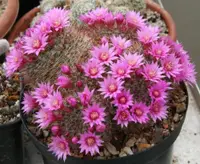
Mammillaria zeilmanniana
Mammillaria zeilmanniana
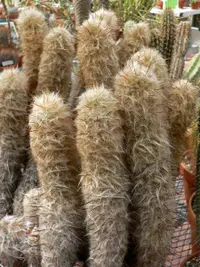
Old Man of the Mountain
Oreocereus trollii
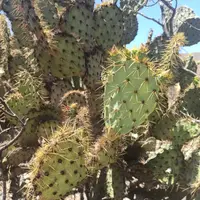
Engelmann's Prickly Pear
Opuntia engelmannii
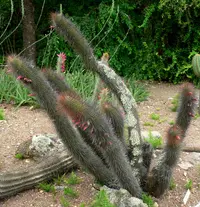
old man of the mountain
Cleistocactus buchtienii
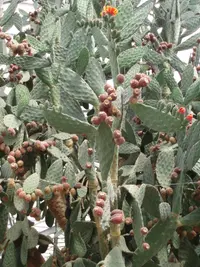
woollyjoint pricklypear
Opuntia tomentosa

Gasteria
Gasteria 'Little Warty'
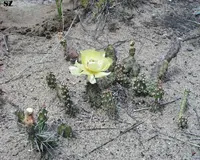
brittle pricklypear
Opuntia fragilis
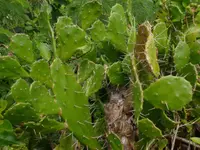
Common pricklypear
Opuntia monacantha