Winter moisture control
In regions with wet winters, tilt the planting site or use a raised, very gravelly berm so excess rain or snowmelt drains away quickly, which greatly reduces pad rot and winter losses when growing brittle pricklypear.

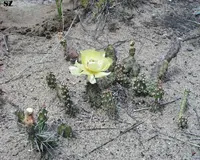
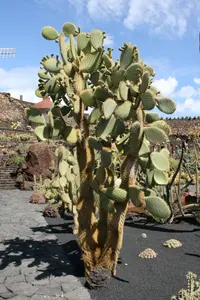
Brittle pricklypear (Opuntia fragilis) is a small, low-growing cactus with jointed pads that easily break apart and root, forming spreading mats over time. Its pads are usually rounded and carry clusters of sharp spines and tiny barbed hairs called glochids, which detach easily.
This species is native to cooler, often rocky regions of North America, where it tolerates poor, gritty soils and strong sunlight. It is considered a hardy cactus that handles drought and cold well, but its fragility and spines require some care when handling and when planning how to care for brittle pricklypear.
In cultivation it grows best in bright light, very well-drained soil, and with minimal watering, especially in cool or low-light conditions.

Care Difficulty
Easy Care

Light Preference
Full Sun

Water Requirements
Low Water

Temperature Preference
Cold Hardy

Hardiness Zone
3–9

Soil Texture
Sandy, Loamy, Rocky

Soil pH
Slightly acidic (6.5–7.0), Slightly alkaline (7.0–7.5)

Soil Drainage
Well-drained

Fertilization
Minimal (feed rarely)
Scan your plant to receive care tips personalized for your specific plant
Available on iOS and Android
This hardy cactus needs strong light to stay compact and flower well.
This species prefers thorough but infrequent watering that mimics natural dry cycles.
This cactus is highly cold-hardy but still benefits from a defined warm growing season.
This cactus tolerates a wide humidity range and rarely needs special adjustment indoors.
Opuntia fragilis prefers very fast-draining, mineral-based soil that dries out quickly between waterings.
This species is well suited to container growing when the pot is adapted to its shallow, spreading pads.
Opuntia fragilis needs only light feeding in nutrient-poor, sandy soils, and none in rich ground.
Pruning Opuntia fragilis is mainly corrective, to manage size and remove damaged pads.
This species is usually grown in the ground; container plants need infrequent repotting or careful transplanting.
Opuntia fragilis plant care often includes propagation from pads, which root reliably under dry, warm conditions.
This cactus is notably cold hardy, so winter care is minimal in most climates where it is grown outdoors.

Plant Health Check
Not sure what's wrong with your plant? Check your plant's health inside the app.
This cactus is one of the most cold-hardy cacti known, surviving winter temperatures well below freezing and even under snow cover in parts of Canada and the northern United States.
Its small, fragile stem segments detach readily and root where they land, a clonal spread strategy that helps the plant colonize rocky or sandy habitats after disturbance.
Populations of this species reach unusually high latitudes for a cactus, occurring in exposed, dry microhabitats such as rock outcrops and sand dunes within boreal regions.

Some populations of this species show a form of frost tolerance where the pads partially dehydrate before winter, reducing internal ice damage and allowing the plant to overwinter in climates far colder than most other cacti can endure.
Flowering is reduced by insufficient sun, excess nitrogen fertilizer, or very young age. Ensure full outdoor light, lean gritty soil, and minimal feeding. Winter chill also helps set buds, so completely frost‑free climates may see fewer flowers.
Keep your plants happy and healthy with plant identification, disease detection, and easy care guidance.