tapertip liveforever Care (Dudleya attenuata)

tapertip liveforever

About tapertip liveforever

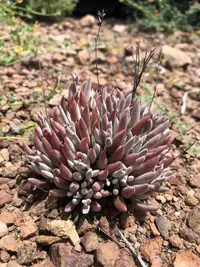
Tapertip liveforever (Dudleya attenuata) is a small, rosette-forming succulent native to rocky slopes and coastal bluffs of Baja California and nearby regions. It stores water in its thick, pointed leaves and often has a powdery, waxy coating that reduces moisture loss.

Plants grow slowly and can live for many years if kept dry and well drained, especially in winter. It prefers bright light, low to moderate watering, and gritty, fast-draining soil. Due to its sensitivity to excess moisture and disturbance of roots and leaves, it is considered more suitable for careful growers who want to learn how to care for tapertip liveforever.

Main Plant Requirements

Care Difficulty

Hard Care

Light Preference

Full Sun

Water Requirements

Low Water

Temperature Preference

Warm Climate

Hardiness Zone

9–11

Soil Texture

Sandy, Rocky, Loamy

Soil pH

Slightly acidic (6.5–7.0), Neutral (7.0)

Soil Drainage

Well-drained

Fertilization

Minimal (feed rarely)

Get Personalized Care Plan

Scan your plant to receive care tips personalized for your specific plant

Available on iOS and Android

How to Care for the tapertip liveforever

This compact rosette succulent prefers bright, open conditions that mimic its native rocky slopes.

  • Provide 6–8 hours of direct sun daily, ideally with morning sun and light afternoon shade in very hot inland areas.
  • Tolerates light partial shade (3–4 hours sun), but growth is looser and leaves may lose their compact, silvery look typical of tapertip liveforever.
  • In summer, protect from intense late-afternoon sun to prevent leaf scorch; in winter, ensure an unshaded position so low-angle sun reaches the plant.

This drought-adapted succulent requires infrequent, careful watering with excellent drainage.

  • Allow the soil to dry fully, at least the top 5 cm, before watering; use fast-draining, gritty soil so water runs through in seconds.
  • During active growth in spring and early summer, water only when leaves begin to soften slightly; avoid fixed calendar schedules for Dudleya attenuata.
  • In late summer dormancy and cool winter periods, reduce or stop watering; watch for mushy leaves or a sulfur smell as signs of overwatering and root rot.

This species prefers mild, dry conditions and reacts poorly to hard frost or prolonged humidity.

  • Optimal growth occurs around 60–75°F (16–24°C), with good air movement and low to moderate humidity.
  • Tolerates short dips to about 25–30°F (-4–-1°C) if soil is dry, but repeated freezes or wet cold greatly increase rot risk.
  • In hot spells above 90°F (32°C), provide light shade and avoid overhead watering in the heat of the day to reduce stress on the rosettes.

Humidity is generally not critical for Dudleya attenuata if watering is correct.

This species needs very sharply drained, mineral-based soil to prevent root rot.

  • Use a gritty mix of roughly 60–70% coarse mineral material (pumice, perlite, gravel, coarse sand) and 30–40% lean cactus potting mix.
  • Aim for slightly acidic to neutral pH around 6.0–7.0, avoiding strongly acidic or alkaline substrates that limit nutrient uptake.
  • Keep organic matter low; avoid peat-heavy mixes that hold water and break down into fines, clogging air spaces around the roots.
  • Ensure the mix feels loose and fast-draining; if water does not drain through within seconds, add more coarse mineral material to improve aeration.

This species is suitable for container growing when drainage is managed carefully.

  • Choose a wide, shallow pot that matches the shallow root system and prevents water from pooling deep below the roots.
  • Use unglazed clay if possible, as it allows moisture to evaporate faster and keeps the root zone drier between waterings.
  • Elevate the pot slightly on feet or mesh to keep drainage holes clear so excess water runs off quickly after rain or irrigation.

This drought-adapted succulent needs minimal feeding, so focus on very light, infrequent nutrition for tapertip liveforever.

  • Use a low-dose, balanced liquid fertilizer (such as 10-10-10) at 1/4 strength in a gritty, lean mix.
  • Feed once at the start of active growth in late winter or early spring; a second light feed in early summer is optional.
  • Avoid fertilizing during hot, dry dormancy or winter rest to prevent weak, elongated growth.
  • Never apply fertilizer to dry roots; water lightly first, then add diluted solution to reduce burn risk.

Pruning Dudleya attenuata is limited to hygiene and light grooming rather than reshaping.

  • Best time is late winter to early spring, just before or as new growth starts.
  • Gently remove dead, shriveled, or diseased leaves from the rosette base using fingers or fine scissors.
  • Snip spent flower stalks at the base once seeds have dispersed to keep the plant tidy.
  • Avoid cutting into healthy rosettes, as this can disfigure the plant and invite rot.

This species prefers stability and shallow, well-drained containers, so repot or transplant Dudleya attenuata only when clearly needed.

  • Look for roots exiting drainage holes, tight circling roots, or stalled growth as signals to move the plant.
  • Plan repotting or outdoor transplanting for late winter to early spring, just before strong active growth.
  • Repot every 3–4 years at most, shifting only 1 pot size up with a very gritty, mineral-rich medium.
  • Minimize root disturbance, keep the crown above soil level, and withhold water for 3–5 days afterward to let any root wounds dry.

New Dudleya attenuata plants are usually produced in small numbers through offsets or seed under controlled conditions.

  • Separate offsets in late winter or early spring when new growth starts and temperatures are mild.
  • Allow any cut or broken surfaces to callus for several days in a dry, shaded place before planting.
  • Root offsets in a fast-draining, mostly mineral mix under bright light and very sparse watering.
  • Sow seeds on the surface of a fine, sterile mix, keep barely moist, and provide bright, cool conditions for germination.

This succulent prefers mild, dry winters and needs some protection in colder or wetter climates.

  • Tolerates light frosts around 25–30°F if soil is very well drained and foliage stays dry.
  • In rainy winter regions, use a cold frame or overhead cover to keep excess moisture off rosettes.
  • For container plants in zones colder than about USDA 9, move to a bright, cool indoor or sheltered spot.

Care Tips

Protect leaf coating

Handle rosettes only by the base or use soft tongs to avoid rubbing off the natural whitish coating, which helps reduce water loss and sun stress.

Angle for drainage

If grown in a pot, tilt the container slightly or plant near the rim so water can run off the rosette and not pool in the leaf centers, which reduces rot risk.

Summer rest adjustment

During hot, dry summer dormancy, move the plant to a very bright but slightly cooler spot and reduce all disturbance, as repotting or dividing is best done only in active growth.

Rock-mimic planting

Set the plant into crevices between rocks or use large stones around the crown to keep the neck shaded and roots cool, imitating its natural cliff habitat and improving long-term vigor.

Careful division timing

Divide offsets only when they have a clear stem and strong root system, then pot them in a very small, fast-draining container to stabilize them, which is one of the most reliable ways of growing tapertip liveforever at home.

Common Pests and Diseases

Aphids

This pest often colonizes young flower stalks and leaf bases, sucking sap and causing distortion or sticky honeydew on rosettes.

Solution

Rinse colonies off with a firm stream of water, then spot-treat remaining insects with insecticidal soap or a dilute neem oil spray, applied in the cool part of the day. Reduce nearby lush weeds and overfertilized succulents that can act as reservoirs for aphids when growing tapertip liveforever outdoors.

Mealybugs

These insects hide in leaf axils and along roots, producing white cottony masses and weakening plants over time.

Solution

Remove visible clusters with a cotton swab dipped in isopropyl alcohol, then follow with a light application of insecticidal soap to all rosettes and crevices. Check roots during repotting, discard heavily infested soil, and replant in clean, very well-drained mix.

Soft scale

This pest forms small, dome-shaped bumps on leaves and stems, excreting honeydew that can invite sooty mold on the glaucous leaf surface.

Solution

Gently scrape or rub off scales by hand or with a soft brush, then treat remaining insects with horticultural oil, ensuring full coverage of leaf undersides and rosette centers. Improve light and airflow around the plant to make conditions less favorable for scale buildup.

Powdery mildew

This disease appears as white, powdery patches on leaves, especially in humid or shaded situations, and can dull the natural leaf coating.

Solution

Increase sun exposure to a bright, airy position, avoid overhead watering, and remove heavily affected leaves. For persistent cases, apply a sulfur-based or bicarbonate-based fungicide labeled for succulents, spraying during cooler parts of the day.

Interesting Facts

Unusual cylindrical leaves

This species has narrow, almost cylindrical leaves rather than the broad, flat leaves seen in many other Dudleya, an adaptation that reduces surface area and water loss in its arid native habitat.

Rock crevice specialist

It commonly grows in thin soil pockets and rock crevices in Baja California and nearby regions, anchoring into cracks where competition is low and runoff water briefly accumulates.

Seasonal growth rhythm

Like many coastal Dudleya, it follows a Mediterranean-type rhythm, growing mainly in the cool, wetter months and often appearing semi-dormant or shriveled during the hot, dry season to conserve resources.

Botan icon

Did you know?

Wild populations are threatened by illegal succulent collection for the horticultural trade, which has led to increased conservation attention and stricter protections for native Dudleya species in California and Baja California.

FAQs about tapertip liveforever

Lack of flowering usually comes from too much shade, excess summer water, or very rich soil. This species often blooms best when slightly stressed, with strong light, sharp drainage, cool winters, and minimal disturbance to older rosettes.

Grow Healthy Plants with Botan Care

Keep your plants happy and healthy with plant identification, disease detection, and easy care guidance.

Botan plant care app — identify plants on mobile

Explore More Plants